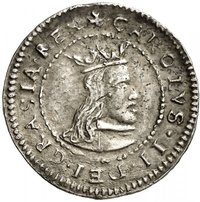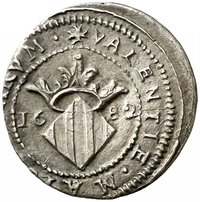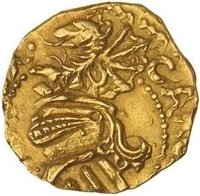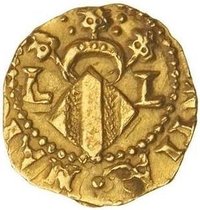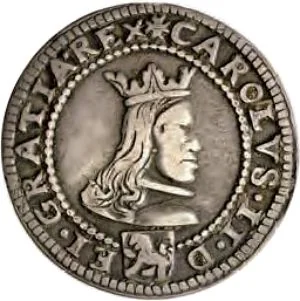
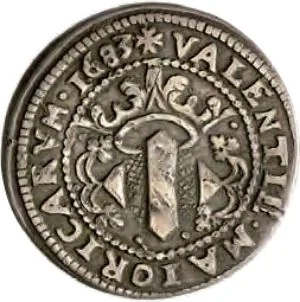
In 1683, the Kingdom of Valencia, a component realm of the Spanish Crown under the Habsburg monarchy of Charles II, operated within a complex and strained monetary system. The primary unit of account was the
lliura valenciana (Valencian pound), divided into 20
sous, each of 12
diners. However, the actual circulating medium was a chaotic mix of physical coins, both foreign and domestic. Alongside locally minted silver
reals and copper
arrels, a vast quantity of debased Spanish
vellón (billon) coinage from Castile, along with Portuguese, French, and Italian coins, circulated due to extensive trade and royal fiscal policies that flooded the periphery with inferior currency.
This period was marked by severe monetary instability and
currency deflation, a deliberate policy enacted by the Crown in 1680 to combat the inflation caused by the previously over-issued and degraded vellón coinage. The government abruptly raised the face value of older, heavily debased coins to match newer, higher-quality ones, effectively reducing the money supply. While intended to restore confidence, this shock therapy was economically disruptive in the short term. It caused liquidity crises, hampered commercial transactions in Valencia’s vibrant Mediterranean trade, and created confusion between the real intrinsic value of a coin and its mandated legal tender value.
Consequently, Valencian merchants and bankers had to constantly navigate this treacherous monetary landscape, relying on detailed
manuals of exchange that listed the fluctuating values of hundreds of different coins. The local economy demonstrated resilience through these instruments and its sophisticated credit networks, but the monetary chaos reflected the broader decline of Spanish Habsburg fiscal authority. The currency situation in 1683 was, therefore, a microcosm of imperial strain—where local economic vitality was persistently undermined by centralized, often desperate, Crown policies aimed at managing a wider imperial financial collapse.