Logo Title
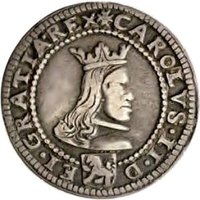
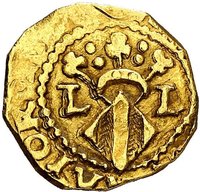
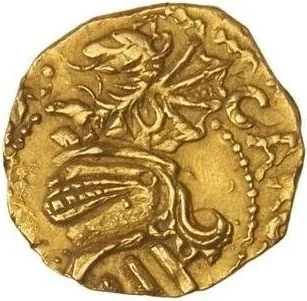
obverse
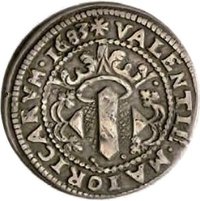
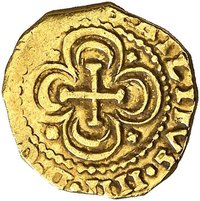
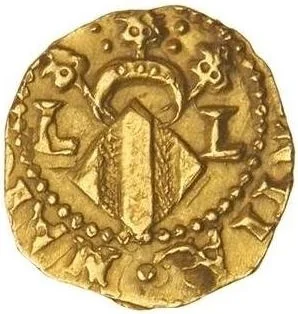
reverse
Soler y Llach

½ Escudo – Kingdom of Valencia

Spain
Context
Year: 1688
Country: Spain Country flag
Ruler: Charles II
Currency:
Demonetized: Yes
Material
Weight: 3.45 g
Gold weight: 3.16 g
Composition: 91.7% Gold
Magnetic: No
Technique: Hammered
References
KM: #Click to copy to clipboard53
Numista: #109150
Value
Bullion value: $526.63

Obverse

Description:
Helmet dragon
Inscription:
+ CAROLVS · II · D · G · HISP · REX
Script: Latin

Reverse

Description:
Arms with a crown.
Inscription:
+ VALENTIAE · MAIOR · 1688

L L
Script: Latin

Edge


Mints

NameMark
Valencia

Mintings

YearMint MarkMintageQualityCollection
1688LL

Historical background

In 1688, the Kingdom of Valencia, a constituent realm of the Spanish Crown under the Habsburg King Charles II, operated within a complex and strained monetary system. The period was marked by the widespread circulation of heavily debased vellón (copper) coinage, which the Crown repeatedly issued to finance its military engagements and fiscal deficits. This inflationary policy, a hallmark of the 17th-century Spanish economy, had led to a severe disparity between the officially mandated value of these coins and their intrinsic metal worth, causing economic distortion, price volatility, and a deep public distrust in the currency.

The local economy in Valencia also contended with the simultaneous use of multiple monetary standards. While transactions were nominally reckoned in the silver-based real and gold escudo, the physical scarcity of precious metals meant everyday commerce relied on the unstable copper issues. Furthermore, the kingdom’s active Mediterranean trade, particularly with Italy and North Africa, introduced foreign gold and silver coins—such as Italian scudi and Louis d’ors—which were often preferred for their reliable value. This created a dual system where high-value trade used sound foreign or hoarded silver, while the populace dealt in depreciating copper.

The monetary chaos of 1688 was symptomatic of the broader "Crisis of the Seventeenth Century" affecting Spain. Valencia’s own economic vitality, once driven by silk and agriculture, was stifled by these monetary policies, which discouraged saving and investment. The crown’s attempts to fix prices and mandate acceptance of vellón at face value were largely ineffective, leading to hoarding, speculation, and social grievance. Thus, the currency situation was a key factor in the kingdom’s economic difficulties, reflecting the diminishing power of the Habsburg state to manage its finances and maintain a stable standard of value for its subjects.
Legendary