Logo Title
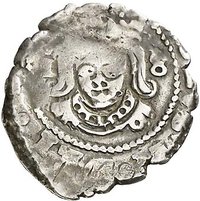
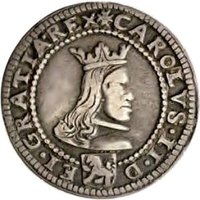
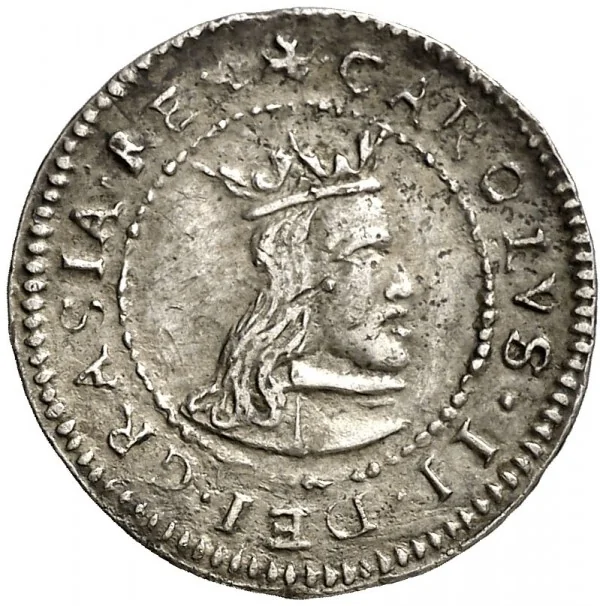
obverse
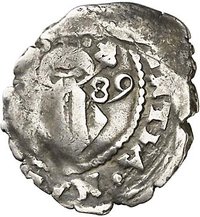
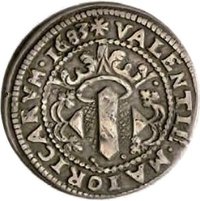
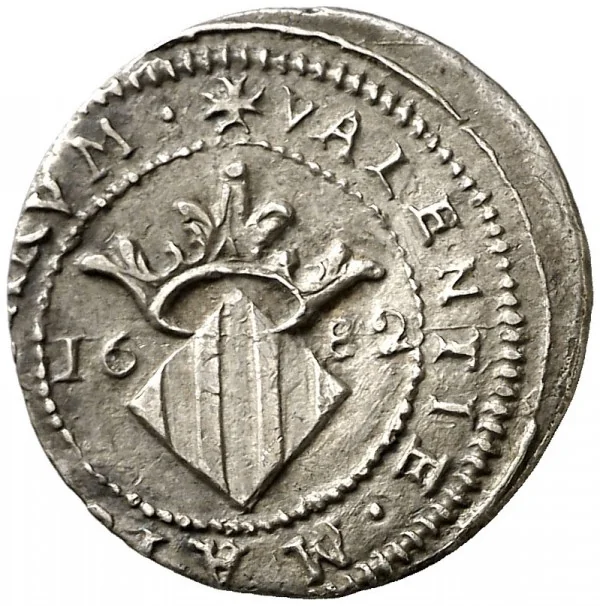
reverse
Aureo & Calicó S.L., subastas numismáticas

1 Real – Kingdom of Valencia

Spain
Context
Years: 1682–1683
Country: Spain Country flag
Ruler: Charles II
Currency:
Demonetized: Yes
Material
Diameter: 20 mm
Weight: 2 g
Silver weight: 1.85 g
Shape: Round
Composition: 92.4% Silver
Magnetic: No
Technique: Roller milled
References
KM: #Click to copy to clipboard46
Numista: #109147
Value
Bullion value: $5.18

Obverse

Description:
Crowned head facing right.
Inscription:
✠ CAROLVS · II · DEI · GRATIA · REX
Script: Latin

Reverse

Description:
Crowned heraldic shield.
Inscription:
✠ VALENTIE · MAIORICARVM

1682
Script: Latin

Edge

Mints

NameMark
Valencia

Mintings

YearMint MarkMintageQualityCollection
1682
1683

Historical background

In 1682, the Kingdom of Valencia, a constituent realm of the Spanish Crown under King Charles II, was grappling with a severe and chronic monetary crisis that was a microcosm of Spain's broader economic troubles. The primary issue was the severe debasement and proliferation of low-value vellón coinage—copper or billon (copper with a small silver content) coins. The Crown, perpetually in need of funds for its imperial wars and court expenditures, had repeatedly resorted to issuing vast quantities of this fiduciary currency, leading to rampant inflation. This "price revolution" in copper devastated local economies, as the intrinsic value of the coins fell far below their nominal face value, causing merchants to hoard older, better silver coins and creating a chaotic multi-tiered currency system.

The situation was exacerbated by Valencia's unique position within the composite monarchy. The kingdom fiercely guarded its historic fueros (legal privileges), which included control over its own mint and fiscal policy. However, the Crown's centralizing pressures and desperate need for revenue often clashed with these rights. Decrees from Madrid attempting to manipulate the value of vellón or impose new taxes frequently met with resistance from the Valencian Corts and the Diputació del General (the standing committee of the Corts), leading to political tension. Furthermore, the influx of even more debased copper coinage from neighboring Castile undermined local trust and stability, as Valencian authorities struggled to control the money supply within their own borders.

Consequently, by 1682, the Valencian economy suffered from a profound lack of reliable specie for everyday transactions and commerce. The scarcity of silver reals and gold escudos hindered trade, while the overabundance of unstable copper currency eroded savings and wages. This monetary instability crippled local industries, including Valencia's once-thriving silk trade, and contributed to social unrest among a population struggling with the rising cost of basic goods. The currency crisis thus reflected not only the fiscal decay of the Spanish Habsburg state but also the ongoing struggle between central royal authority and regional autonomy in the late 17th century.
Legendary