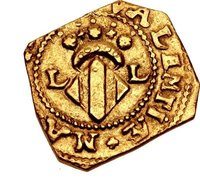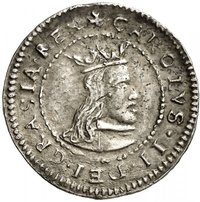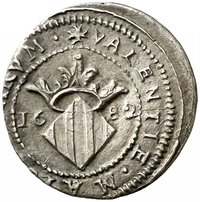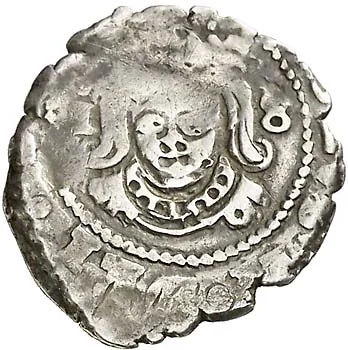
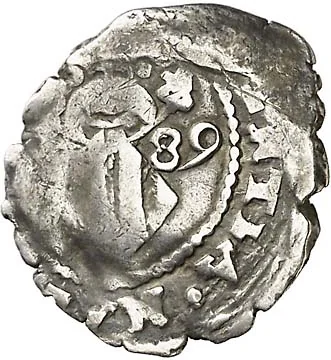
In 1681, the Kingdom of Valencia, a component realm of the Spanish Crown under the Habsburg King Charles II, operated within a complex and strained monetary system. The kingdom officially used a bimetallic system based on the
lliura (pound), divided into 20
sous (shillings) or 240
diners (pence), mirroring the traditional Catalan system. However, the reality was a chaotic circulation of diverse coins, including Castilian
reales and
escudos, alongside various foreign currencies from trade partners, all fluctuating in value and metal content. This proliferation was symptomatic of the wider Spanish monarchy's economic difficulties, including rampant inflation, repeated currency debasements, and a chronic shortage of precious metals.
The local economy was particularly burdened by the persistent issue of
vellón—a low-value copper or billon coinage. The Crown's frequent devaluations and manipulations of
vellón to finance its imperial wars and deficits caused severe price instability and a loss of public confidence in coinage. For Valencia, a major commercial and agricultural center, this monetary uncertainty disrupted trade, complicated transactions, and created friction with other regions of Spain. The problem was exacerbated by the practice of "crying" or proclaiming new official exchange rates for different coins, which often lagged behind market realities and led to confusion and arbitrage.
Consequently, the Valencian authorities, particularly the
Diputació del General (the local government), were engaged in a constant struggle to manage the practical effects of this crisis. They issued tariffs and ordinances attempting to fix exchange rates and control the use of specific coins within the kingdom to protect local commerce from the worst of the Crown's monetary policies. Thus, the currency situation in 1681 Valencia was one of local resilience attempting to mitigate the fallout from a dysfunctional imperial monetary system, highlighting the tension between the kingdom's economic needs and the Crown's fiscal desperation.