

1 Ducat – Aachen
Germany
Context
Years: 1643–1645
Country: Germany 
Issuer: Aachen
Period:
(1166—1798)
Ruler: Ferdinand III
Currency:
(1504—1798)
Demonetized: Yes
References
KM: #Click to copy to clipboard22
Numista: #230961
Value
Bullion value: $573.62
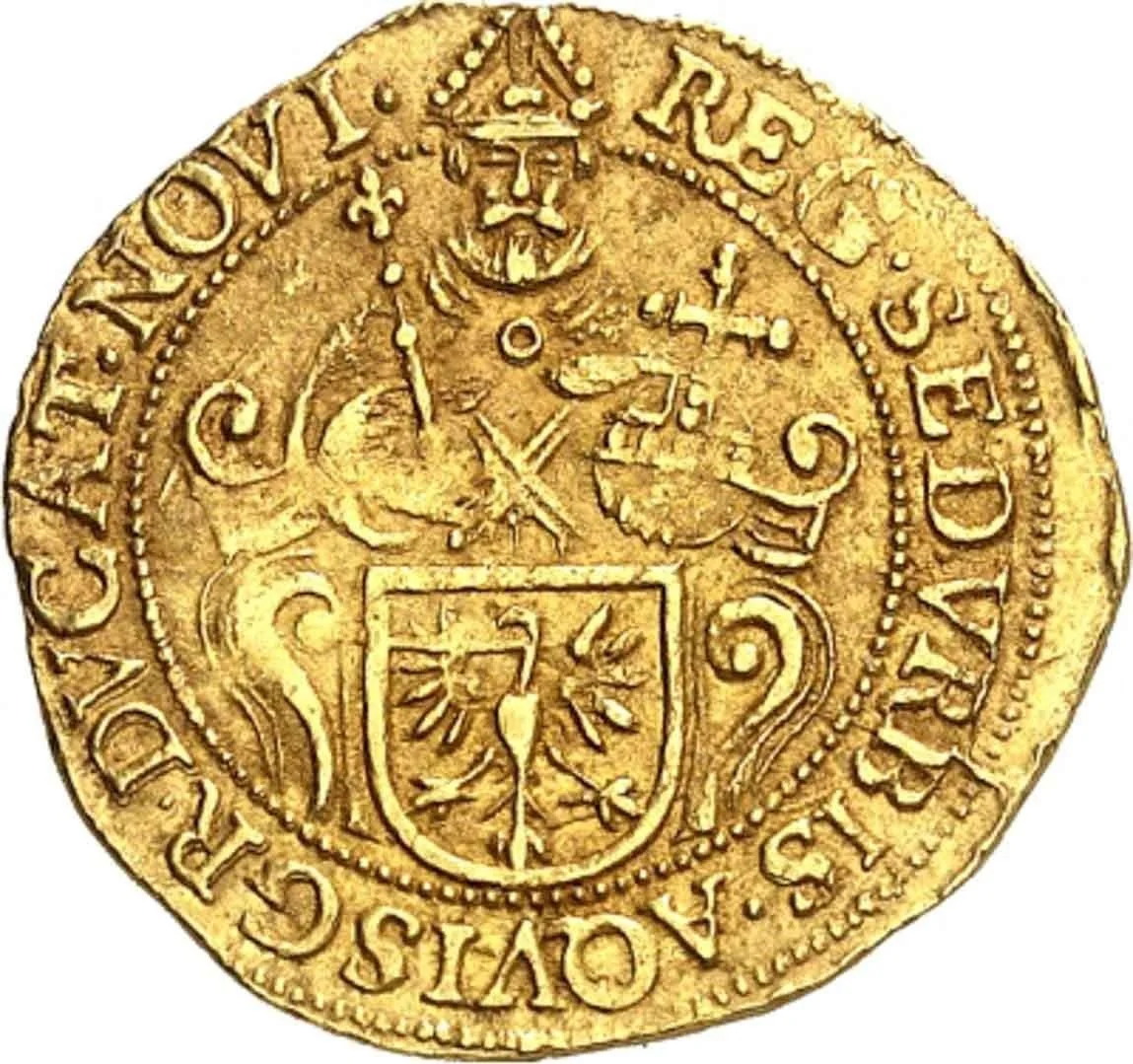
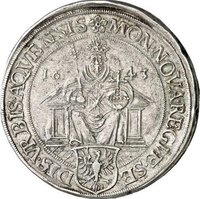
Obverse
Description:
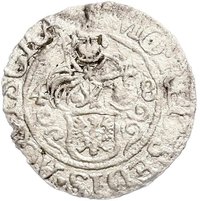
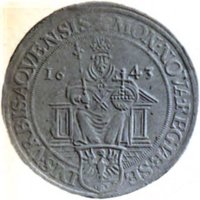
Charlemagne bust
Inscription:
REG . SED . VRBIS . AQVIS GR . DVCAT . NOVI
Script: Latin
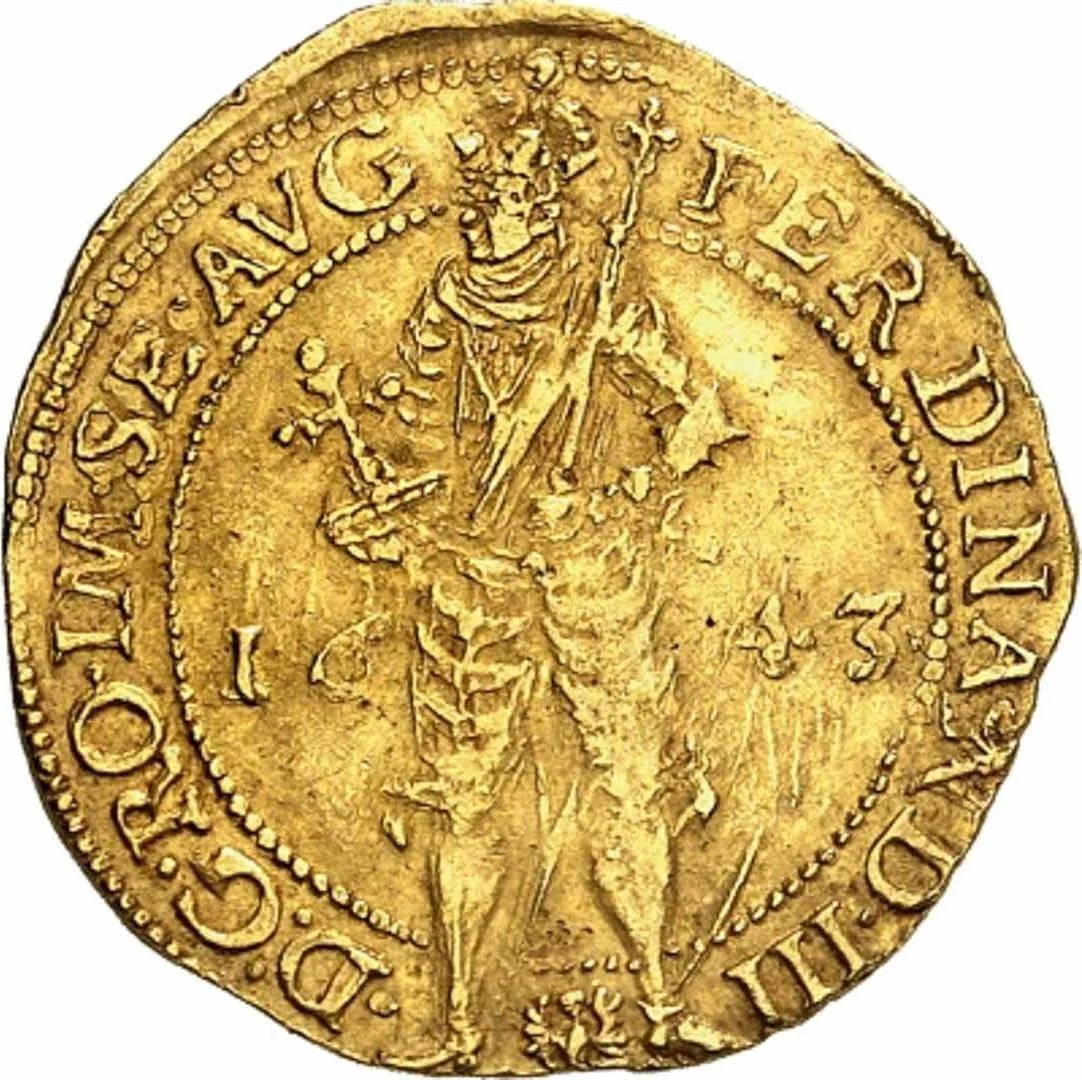
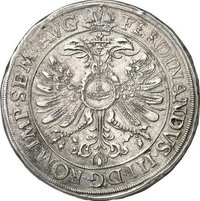
Reverse
Description:
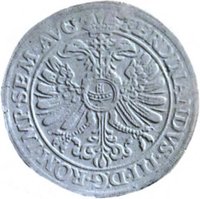
Ferdinand III at left.
Inscription:
FERDINAND . III . D : G : I : O : IM : FE : AVG
Script: Latin
Edge
Mintings
| Year | Mint Mark | Mintage | Quality | Collection |
|---|---|---|---|---|
| 1643 | — | — | ||
| 1645 | — | — |
Historical background
In 1643, the Free Imperial City of Aachen, like much of the Holy Roman Empire, was navigating a complex and debased currency landscape exacerbated by the Thirty Years' War (1618-1648). The city's economy, traditionally reliant on its prestigious cloth trade and pilgrimage traffic, was strained by wartime demands and the disruption of regional trade routes. Aachen, while politically autonomous, did not mint its own coins but operated within a fractured monetary system where numerous territorial princes and cities issued currency of varying and often deteriorating silver content. This led to chronic instability, as bad money (debased coinage) tended to drive out the good, full-weight coins, which were either hoarded or melted down.
The city authorities were forced to constantly publish and update Münztarife (currency ordinances) that fixed the official exchange rates between the multitude of circulating coins—such as Reichsthalers, Gulden, Albus, and Heller—in an attempt to bring order to the market. However, these efforts were undermined by the influx of inferior foreign and neighboring coins, particularly the small change used in daily transactions. The pressure of war finance also led to "Kipper und Wipper" practices, where authorities themselves might debase coinage to generate short-term profit, further eroding public trust and causing price inflation for essential goods.
Ultimately, Aachen's currency situation in 1643 was one of defensive management amidst empire-wide chaos. The city council's primary focus was on maintaining a functional, if imperfect, medium of exchange for local commerce and ensuring its treasury could meet obligations. This monetary instability reflected the broader decline of imperial monetary authority and the severe economic hardships of the war's final years, which impacted even relatively prosperous and free cities like Aachen.
The city authorities were forced to constantly publish and update Münztarife (currency ordinances) that fixed the official exchange rates between the multitude of circulating coins—such as Reichsthalers, Gulden, Albus, and Heller—in an attempt to bring order to the market. However, these efforts were undermined by the influx of inferior foreign and neighboring coins, particularly the small change used in daily transactions. The pressure of war finance also led to "Kipper und Wipper" practices, where authorities themselves might debase coinage to generate short-term profit, further eroding public trust and causing price inflation for essential goods.
Ultimately, Aachen's currency situation in 1643 was one of defensive management amidst empire-wide chaos. The city council's primary focus was on maintaining a functional, if imperfect, medium of exchange for local commerce and ensuring its treasury could meet obligations. This monetary instability reflected the broader decline of imperial monetary authority and the severe economic hardships of the war's final years, which impacted even relatively prosperous and free cities like Aachen.

✨ Legendary