

3 Groschens – Polish–Lithuanian Commonwealth
Poland
Context
Years: 1618–1624
Country: Poland 
Issuer: Polish–Lithuanian Commonwealth
Ruler: Sigismund III Vasa
Currency:
(1573—1795)
Demonetized: Yes
Material
References
KM: #Click to copy to clipboard31
Numista: #22123
Value
Bullion value: $4.42
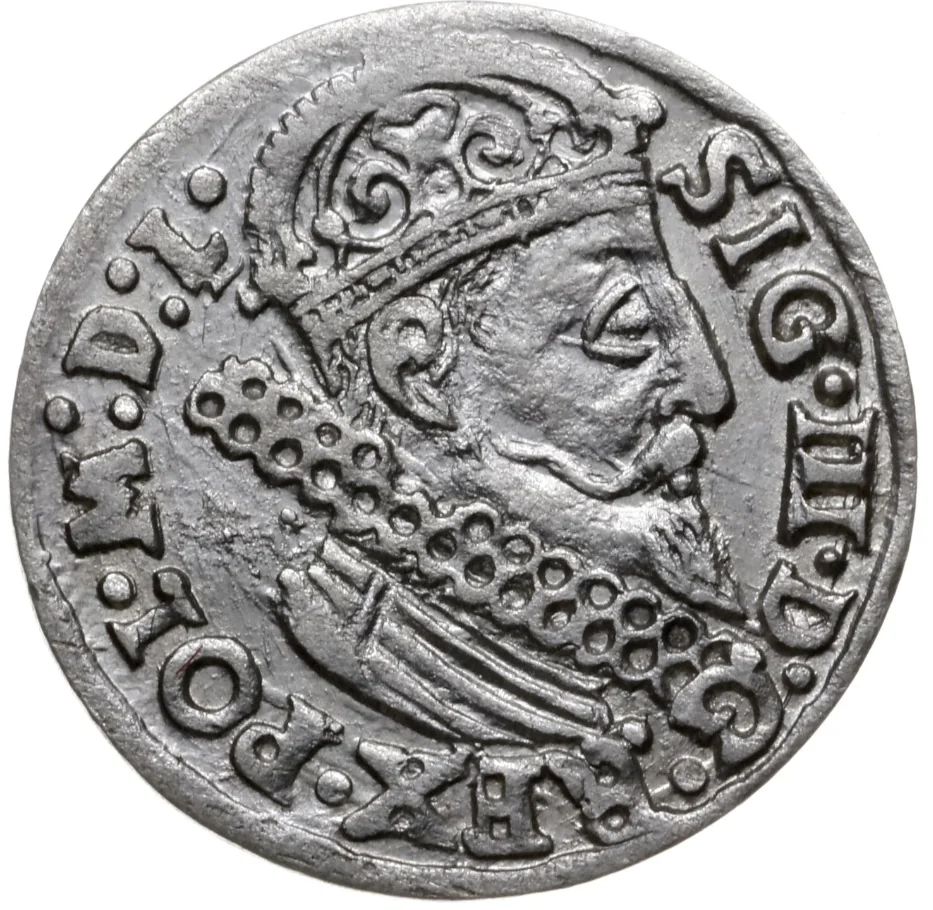
Obverse
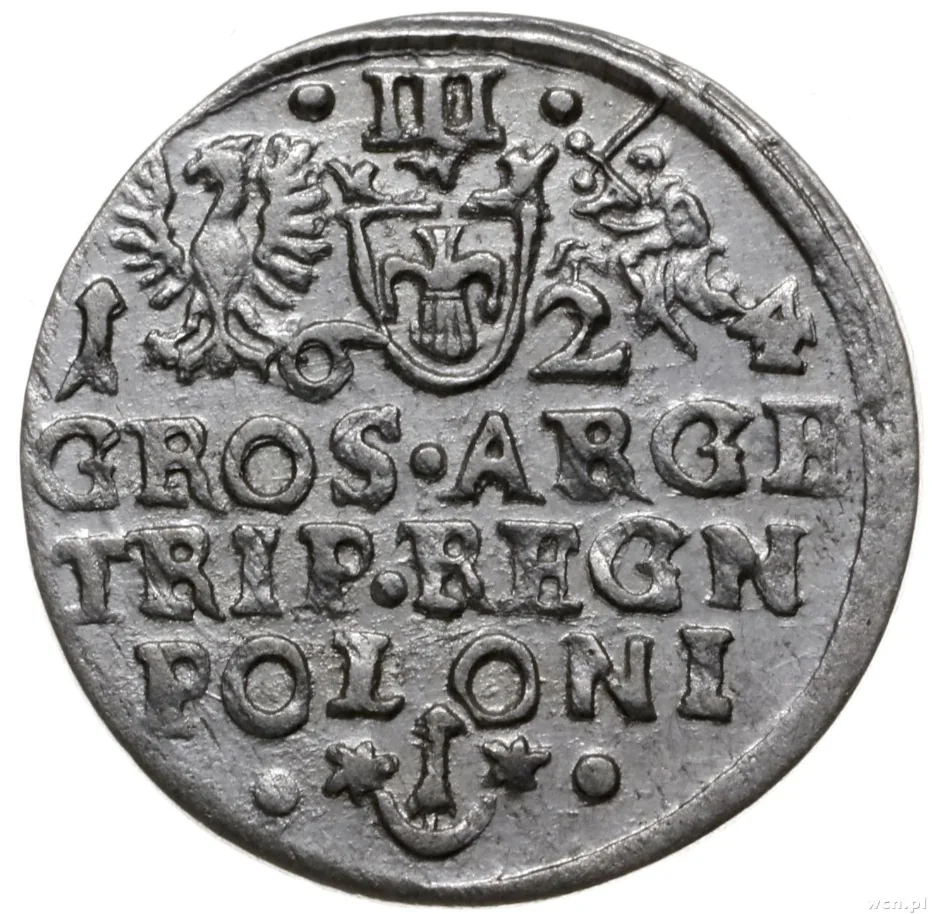
Reverse
Description:
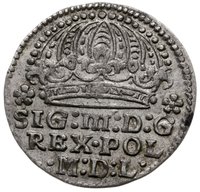
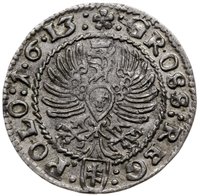
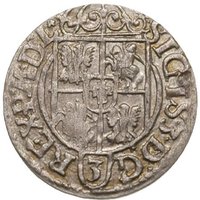
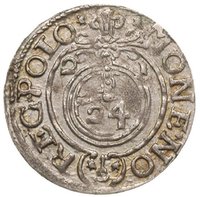
Three-line inscription. Top: value, eagle, Wasa arms, and Vytis flanking date. Bottom: Sas arms.
Inscription:
III
1624
GROS.ARGE
TRIP.REGN
POLONI
1624
GROS.ARGE
TRIP.REGN
POLONI
Script: Latin
Edge
Mints
| Name | Mark |
|---|---|
| Kraków | — |
Mintings
| Year | Mint Mark | Mintage | Quality | Collection |
|---|---|---|---|---|
| 1618 | — | — | ||
| — | — | — | ||
| 1619 | — | — | ||
| 1620 | — | — | ||
| 1621 | — | — | ||
| 1622 | — | — | ||
| 1623 | — | — | ||
| 1624 | — | — |
Historical background
By 1618, the Polish–Lithuanian Commonwealth was grappling with a severe and complex monetary crisis, rooted in decades of fiscal mismanagement. The core problem was the deliberate debasement of the domestic coinage, particularly the small silver szeląg (shilling) and the billon ternar. To fund its vast military commitments, the state mints, notably the one in Olkusz, systematically reduced the silver content in these coins while maintaining their nominal face value. This created a classic "bad money drives out good" scenario (Gresham's Law), where full-weight foreign coins, like Imperial thalers and Polish złotys, were hoarded or exported, leaving the circulation reliant on increasingly worthless domestic currency.
The situation was exacerbated by a chronic shortage of gold and high-grade silver bullion, essential for striking stable high-denomination coins. Furthermore, the monetary system itself was archaic and chaotic, operating on both an accounting system (the złoty polski as 30 groszy) and physical coins that did not align. This disconnect between accounting money and circulating specie created confusion and facilitated speculation. The influx of even more debased coins from neighboring Prussia and the Duchy of Pomerania (so-called boratynki later in the century) would soon deepen the crisis, but by 1618 the inflationary spiral was already causing significant distress.
The consequences were felt across the economy. Peasants paying rents in devalued coins saw real obligations rise, while soldiers and officials paid in this currency found their purchasing power eroded, leading to unrest. Merchants engaged in foreign trade suffered from exchange rate instability. While the Sejm (parliament) recognized the problem, effective reform was paralyzed by the political structure of the Commonwealth. The nobility's control over fiscal policy and their resistance to taxation meant the state lacked the sound revenue to stop debasement, trapping the Commonwealth in a cycle of inflationary financing that would weaken its economic foundation for decades.
The situation was exacerbated by a chronic shortage of gold and high-grade silver bullion, essential for striking stable high-denomination coins. Furthermore, the monetary system itself was archaic and chaotic, operating on both an accounting system (the złoty polski as 30 groszy) and physical coins that did not align. This disconnect between accounting money and circulating specie created confusion and facilitated speculation. The influx of even more debased coins from neighboring Prussia and the Duchy of Pomerania (so-called boratynki later in the century) would soon deepen the crisis, but by 1618 the inflationary spiral was already causing significant distress.
The consequences were felt across the economy. Peasants paying rents in devalued coins saw real obligations rise, while soldiers and officials paid in this currency found their purchasing power eroded, leading to unrest. Merchants engaged in foreign trade suffered from exchange rate instability. While the Sejm (parliament) recognized the problem, effective reform was paralyzed by the political structure of the Commonwealth. The nobility's control over fiscal policy and their resistance to taxation meant the state lacked the sound revenue to stop debasement, trapping the Commonwealth in a cycle of inflationary financing that would weaken its economic foundation for decades.
🌱 Fairly Common