

3 gulden – Netherlands East Indies
Add to wishlist
Indonesia
Context
Year: 1786
Country: Indonesia
Issuer: Netherlands East Indies
Period:
(1602—1800)
Currency:
(1726—1854)
Demonetized: Yes
Material
References
KM: #
Numista: #21737
Value
Bullion value: $74.80
Obverse
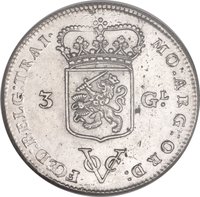
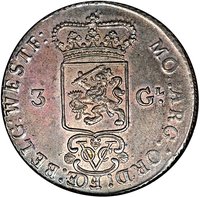
Description:
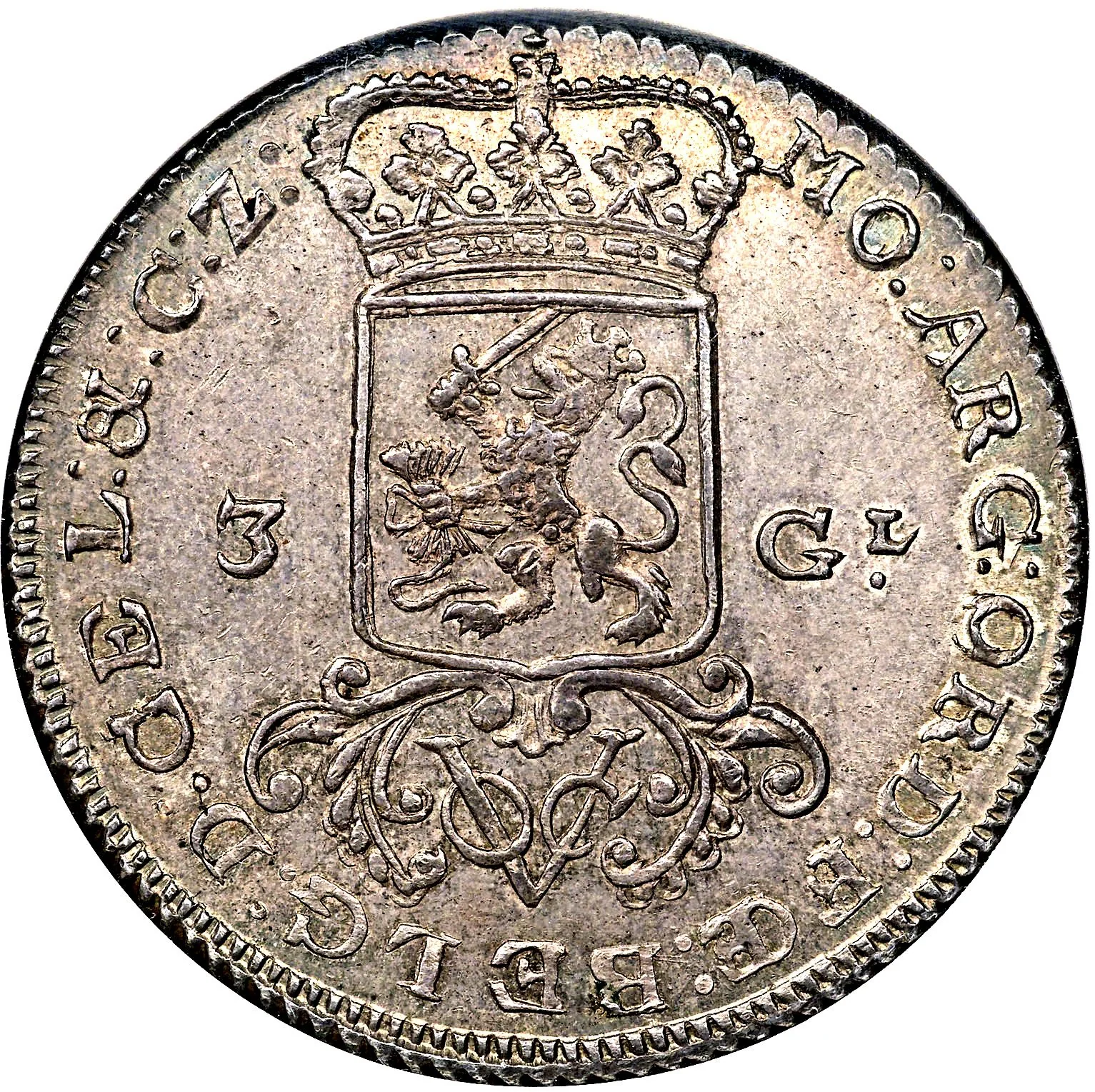
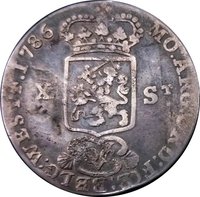
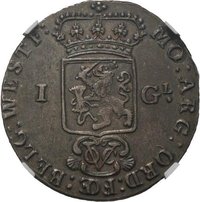
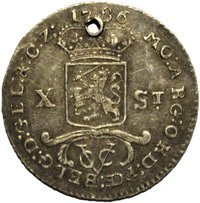
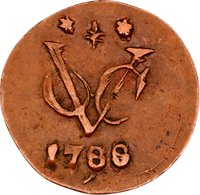
Dutch East India Company logo within the national coat of arms, encircled by text.
Inscription:
MO : ARG : ORD : FΠ: BELG : D.GEL. & C : Z :
3 G.L
3 G.L
Script: Latin
Reverse
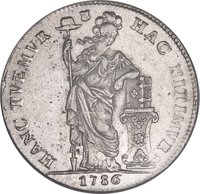
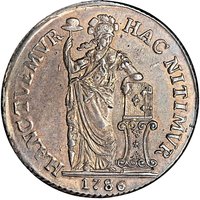
Description:
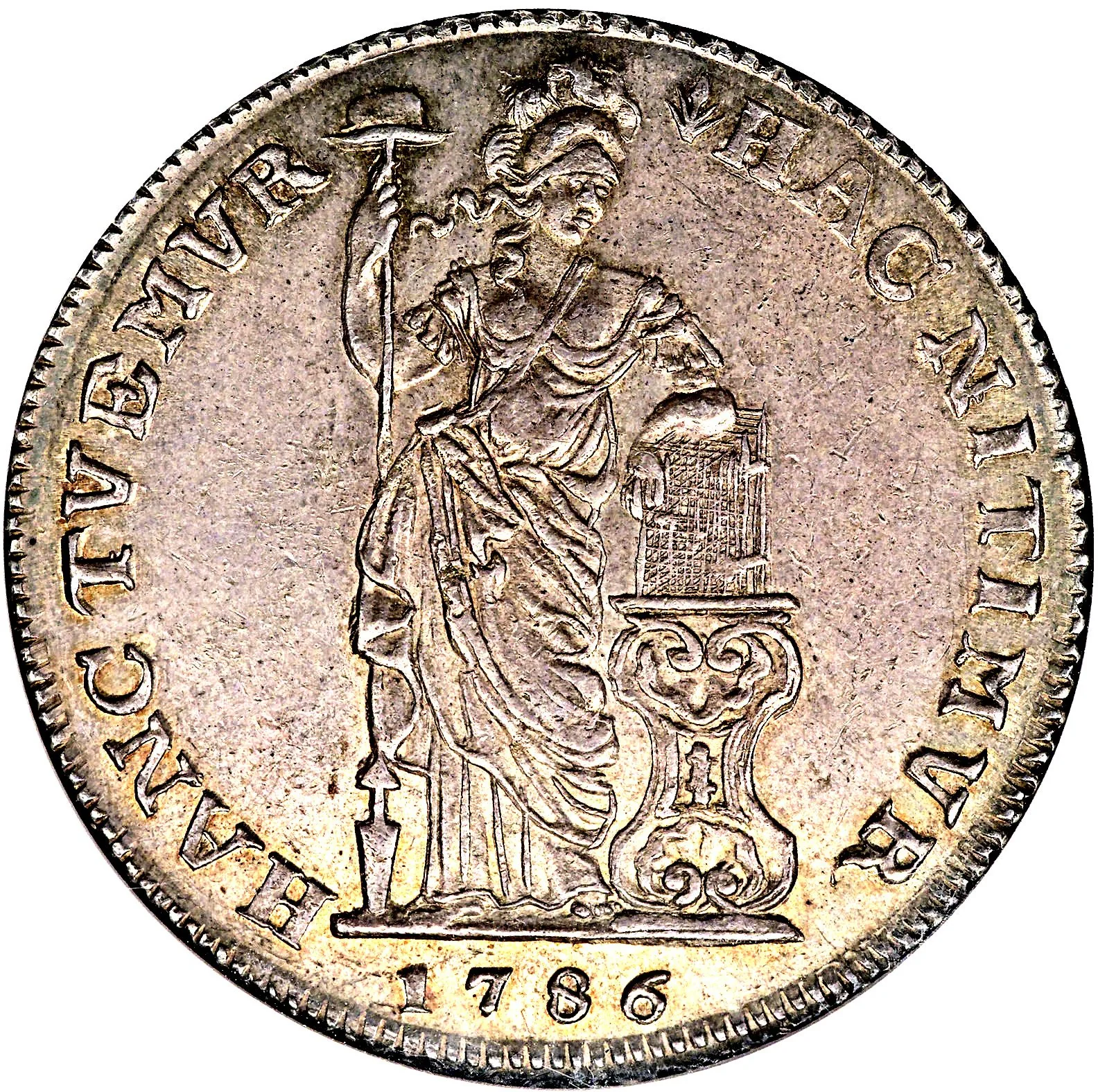
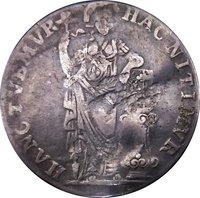
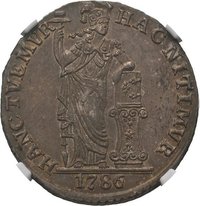
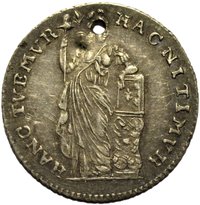
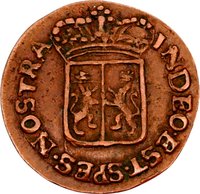
Freedom’s Dutch Maiden, encircled by text.
Inscription:
HANC TVEMVR HAC NITIMVR
1786
1786
Script: Latin
Edge
Mintings
| Year | Mint Mark | Mintage | Quality | Collection |
|---|---|---|---|---|
| 1786 | — | — |
Historical background
In 1786, the currency situation in the Netherlands East Indies (NEI) was characterized by a complex and often chaotic multiplicity of coins, a direct result of the Dutch East India Company's (VOC) role as a regional trading hub. The official currency was the Dutch guilder, but in practice, a wide variety of foreign silver coins circulated, most notably the Spanish American silver dollar (real de a ocho or "piece of eight") and its fractional parts. These coins were valued by their intrinsic silver weight rather than a fixed face value, leading to constant evaluation and recalibration in daily transactions. The VOC itself also minted limited quantities of local coins, such as the duit (copper) and stuiver (silver), but these were insufficient for the colony's economic needs.
This monetary pluralism created significant administrative and commercial difficulties. Merchants and the VOC authorities had to maintain elaborate ledgers noting the fluctuating values of dozens of coin types, which varied by wear, origin, and date of mint. The system was prone to fraud, with practices like clipping and sweating coins being common. Furthermore, a chronic shortage of small change hampered everyday market exchanges, while large silver coins were constantly at risk of being exported to pay for the VOC's vast procurement of spices and other Asian goods, leading to a persistent drain of specie from the archipelago.
The year 1786 fell within a period of acute crisis for the VOC, which was nearing bankruptcy and would be dissolved in 1799. Consequently, the Company's ability to reform or stabilize the currency system was severely limited. While attempts had been made earlier in the century to standardize the rijksdaalder, the situation remained largely unresolved. The monetary disorder of 1786 thus reflected the broader decline of VOC authority and set the stage for the more centralized currency reforms that would be attempted by the Dutch state after it assumed direct control of the colonies in the early 19th century.
This monetary pluralism created significant administrative and commercial difficulties. Merchants and the VOC authorities had to maintain elaborate ledgers noting the fluctuating values of dozens of coin types, which varied by wear, origin, and date of mint. The system was prone to fraud, with practices like clipping and sweating coins being common. Furthermore, a chronic shortage of small change hampered everyday market exchanges, while large silver coins were constantly at risk of being exported to pay for the VOC's vast procurement of spices and other Asian goods, leading to a persistent drain of specie from the archipelago.
The year 1786 fell within a period of acute crisis for the VOC, which was nearing bankruptcy and would be dissolved in 1799. Consequently, the Company's ability to reform or stabilize the currency system was severely limited. While attempts had been made earlier in the century to standardize the rijksdaalder, the situation remained largely unresolved. The monetary disorder of 1786 thus reflected the broader decline of VOC authority and set the stage for the more centralized currency reforms that would be attempted by the Dutch state after it assumed direct control of the colonies in the early 19th century.
✨ Legendary