

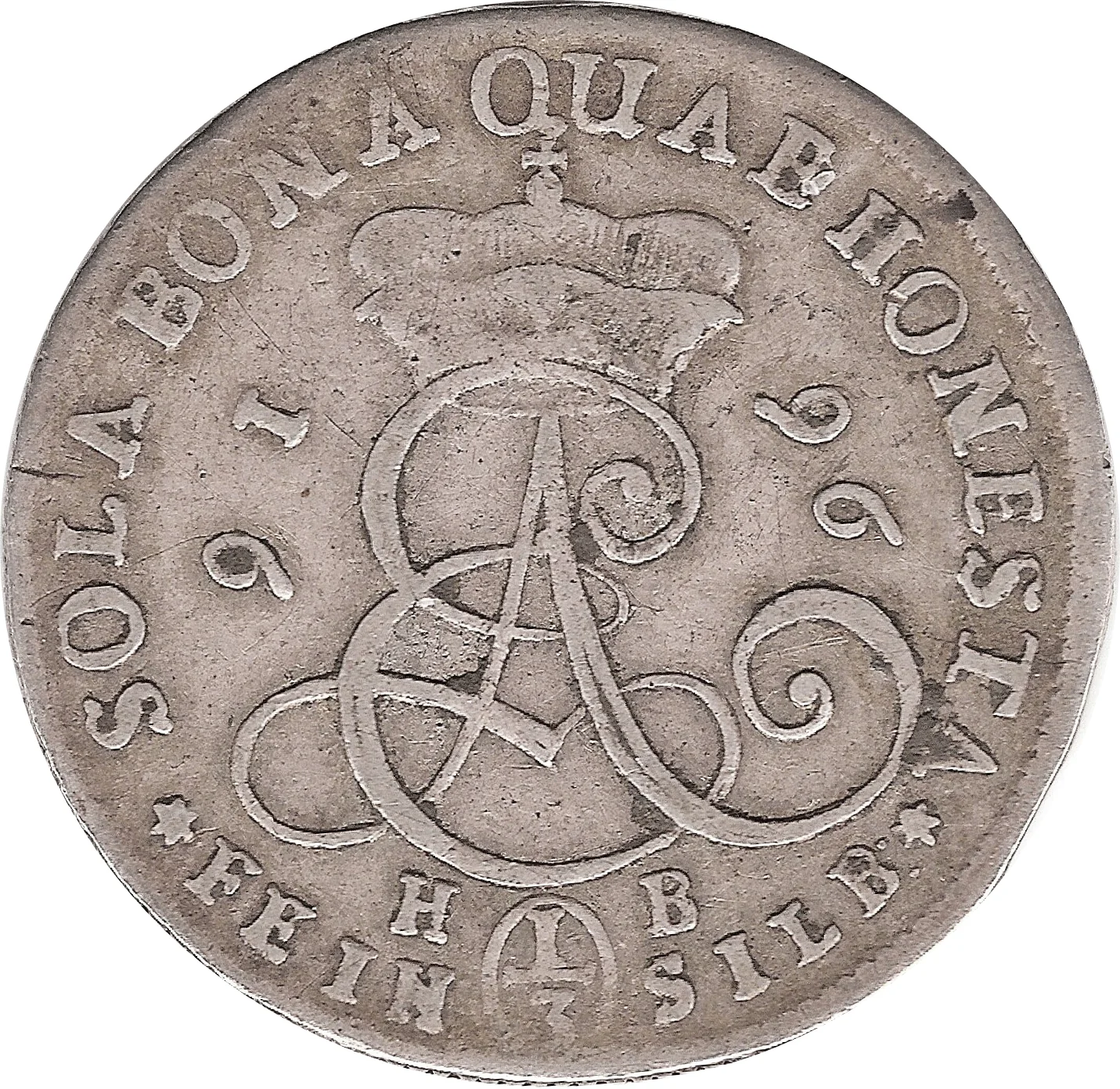
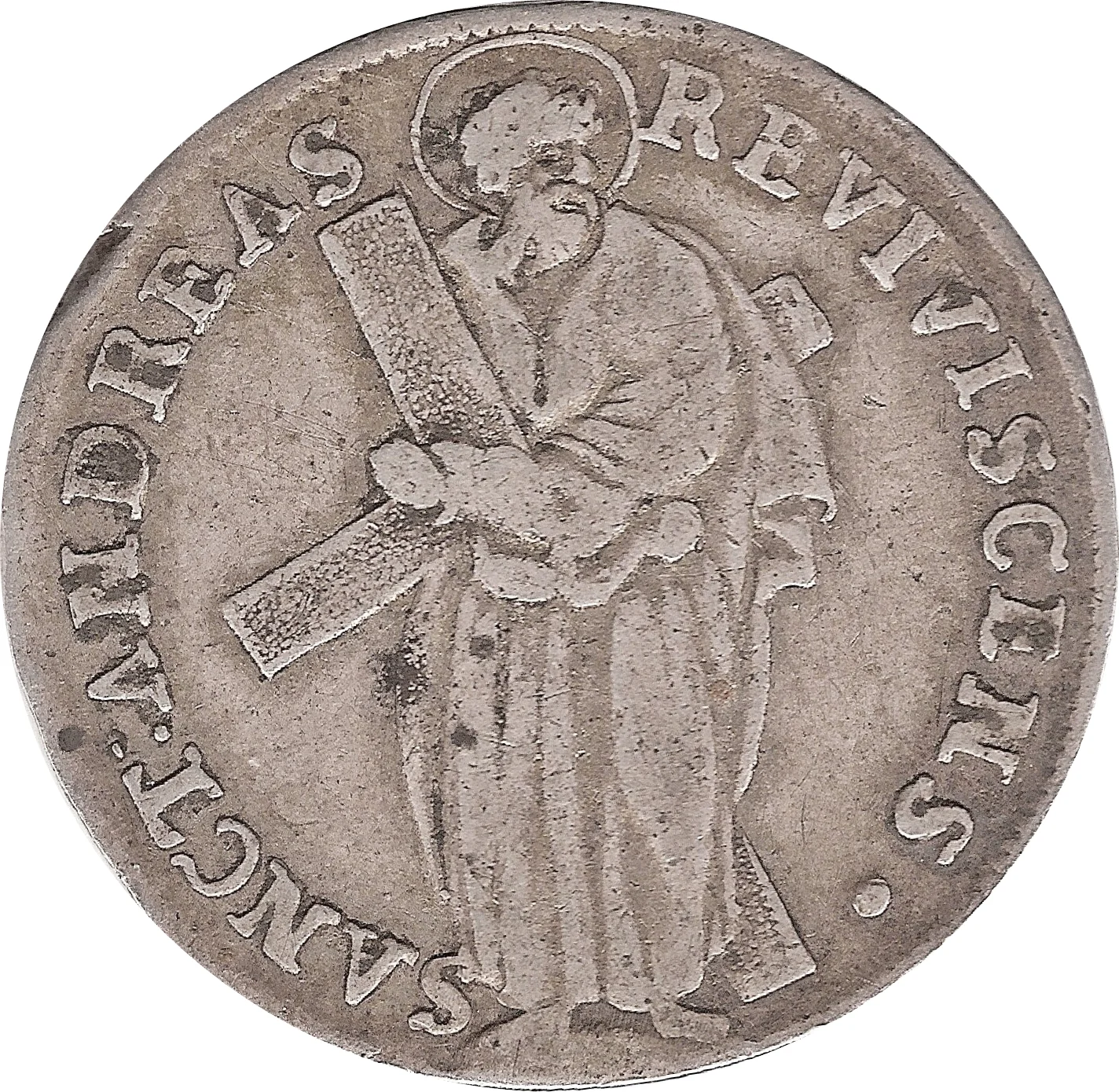
⅓ Thaler – Brunswick-Lüneburg-Calenberg
Germany
Context
Years: 1696–1697
Country: Germany 
Issuer: Brunswick-Lüneburg-Calenberg
Ruler: Ernest Augustus
Currency:
Demonetized: Yes
Material
References
KM: #Click to copy to clipboard404
Numista: #21158
Obverse
Description:
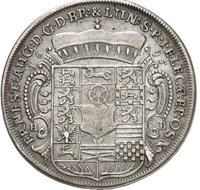
Crowned monogram divides date, value below, legend surrounds.
Inscription:
EA
*SOLA BONA QUAE HONESTA*
16 96
H B
FEIN SILB:
1/3
*SOLA BONA QUAE HONESTA*
16 96
H B
FEIN SILB:
1/3
Script: Latin
Reverse
Description:
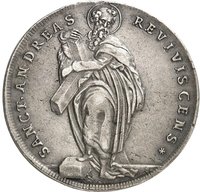
Saint André, cross. Surrounding legend.
Inscription:
SANCT:ANDREAS REVIVISCENS·
Script: Latin
Edge
Mints
| Name | Mark |
|---|---|
| Clausthal | — |
Mintings
| Year | Mint Mark | Mintage | Quality | Collection |
|---|---|---|---|---|
| 1696 | — | — | ||
| 1697 | — | — |
Historical background
In 1696, the Duchy of Brunswick-Lüneburg, specifically the Principality of Calenberg under Duke Ernst August, was entangled in a severe monetary crisis common across the German states. The primary issue was the widespread debasement of coinage, where rulers reduced the precious metal content in coins to generate short-term revenue for state expenses, often tied to military conflicts like the Nine Years' War. This practice led to a proliferation of inferior, low-value coins flooding the market, while older, full-value coins were hoarded or melted down, a classic illustration of Gresham's Law ("bad money drives out good").
The situation was exacerbated by the complex political fragmentation of the region. While Ernst August sought to consolidate power and was pursuing the prestigious title of Elector, his territory's monetary system was interconnected with neighboring Brunswick principalities like Wolfenbüttel. Competing minting policies and debasements between these states created a chaotic monetary zone where currencies of varying standards circulated, undermining trade and causing price inflation. This "Münzwirrwarr" (monetary confusion) eroded public trust and placed a heavy burden on the populace, particularly those on fixed incomes.
In response, Ernst August participated in regional monetary conventions aimed at establishing uniform coinage standards. However, these agreements were often short-lived, as immediate fiscal pressures repeatedly tempted rulers to break their pledges and resume debasement. Thus, the background of 1696 is one of a fragile and failing monetary system caught between the urgent financial demands of ambitious state-building, interstate rivalry, and the destructive economic consequences of currency manipulation, setting the stage for more concerted, though still challenging, reform efforts in the following decades.
The situation was exacerbated by the complex political fragmentation of the region. While Ernst August sought to consolidate power and was pursuing the prestigious title of Elector, his territory's monetary system was interconnected with neighboring Brunswick principalities like Wolfenbüttel. Competing minting policies and debasements between these states created a chaotic monetary zone where currencies of varying standards circulated, undermining trade and causing price inflation. This "Münzwirrwarr" (monetary confusion) eroded public trust and placed a heavy burden on the populace, particularly those on fixed incomes.
In response, Ernst August participated in regional monetary conventions aimed at establishing uniform coinage standards. However, these agreements were often short-lived, as immediate fiscal pressures repeatedly tempted rulers to break their pledges and resume debasement. Thus, the background of 1696 is one of a fragile and failing monetary system caught between the urgent financial demands of ambitious state-building, interstate rivalry, and the destructive economic consequences of currency manipulation, setting the stage for more concerted, though still challenging, reform efforts in the following decades.
✨ Legendary