

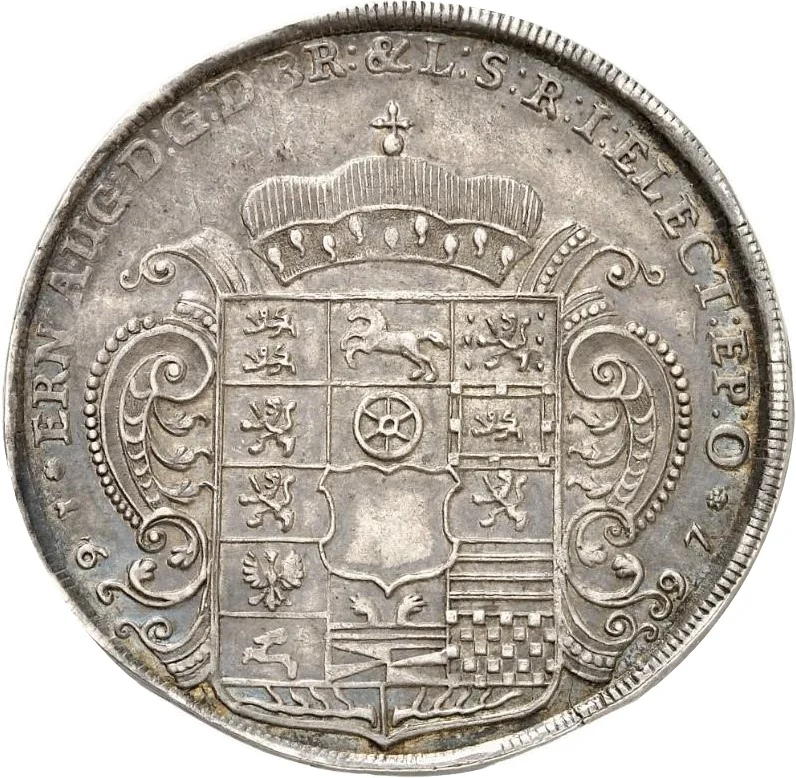
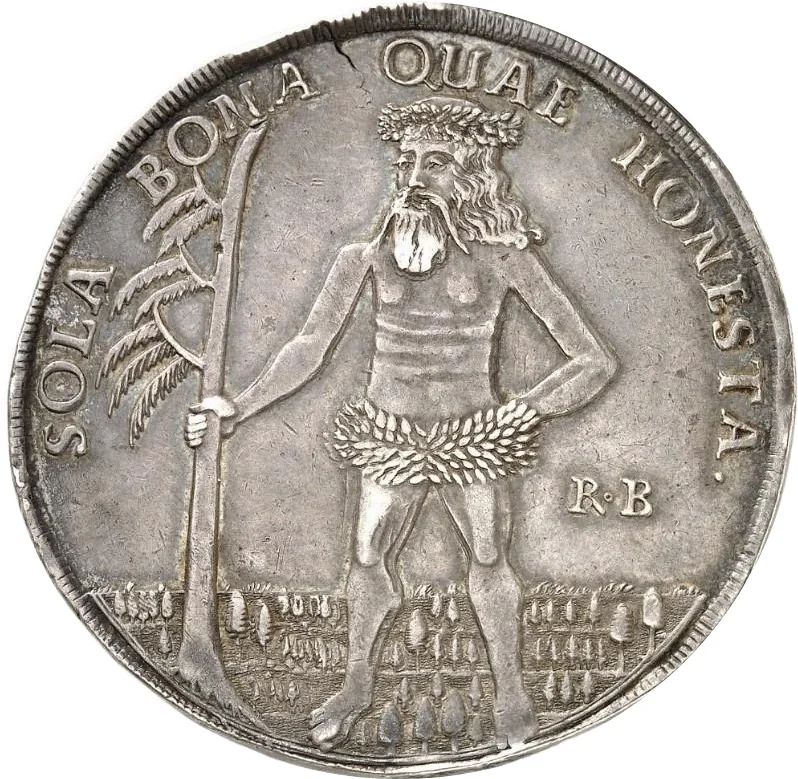
1 Thaler – Brunswick-Lüneburg-Calenberg
Germany
Context
Year: 1697
Country: Germany 
Issuer: Brunswick-Lüneburg-Calenberg
Ruler: Ernest Augustus
Currency:
Demonetized: Yes
Material
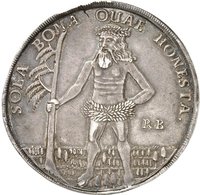
References
KM: #Click to copy to clipboard406
Numista: #266536
Value
Bullion value: $81.11
Obverse
Reverse
Edge
Mintings
| Year | Mint Mark | Mintage | Quality | Collection |
|---|---|---|---|---|
| 1697 | — | — |
Historical background
In 1697, the Duchy of Brunswick-Lüneburg, specifically the Principality of Calenberg under Duke George William, was entangled in the complex and debilitating monetary chaos of the Holy Roman Empire. The region was suffering from the severe effects of the Kipper- und Wipperzeit, a period of rampant currency debasement that had plagued the empire for decades. Numerous states, including many within the Brunswick-Lüneburg nexus, were systematically minting inferior coinage with low silver content, flooding the market to finance near-constant military expenditures, thereby causing inflation and destroying public trust in coinage.
The situation was further complicated by the fragmented political structure. While George William ruled Calenberg (with its capital in Hanover), the broader Brunswick-Lüneburg territories were divided among different ducal lines, each with their own minting rights. This led to a proliferation of different coins of varying quality circulating simultaneously, from Thalers and Groschen to Mariengroschen. The economic disruption was severe, hindering trade and creating uncertainty for both merchants and the general population, as the intrinsic value of coins often fell far below their face value.
Consequently, 1697 fell within a period of attempted reform and regional cooperation. The Dukes of Brunswick-Lüneburg were active participants in imperial efforts to stabilize currency, such as the Reichsmünzordnung (Imperial Coinage Ordinance). The year itself saw ongoing negotiations and preparations for more substantive agreements, most notably the pivotal Leipziger Münzfuß of 1698, which the Brunswick-Lüneburg dukes would join. This agreement aimed to standardize the silver content of coins across northern Germany, setting the stage for the gradual stabilization of currency in Calenberg and its sister territories in the years immediately following.
The situation was further complicated by the fragmented political structure. While George William ruled Calenberg (with its capital in Hanover), the broader Brunswick-Lüneburg territories were divided among different ducal lines, each with their own minting rights. This led to a proliferation of different coins of varying quality circulating simultaneously, from Thalers and Groschen to Mariengroschen. The economic disruption was severe, hindering trade and creating uncertainty for both merchants and the general population, as the intrinsic value of coins often fell far below their face value.
Consequently, 1697 fell within a period of attempted reform and regional cooperation. The Dukes of Brunswick-Lüneburg were active participants in imperial efforts to stabilize currency, such as the Reichsmünzordnung (Imperial Coinage Ordinance). The year itself saw ongoing negotiations and preparations for more substantive agreements, most notably the pivotal Leipziger Münzfuß of 1698, which the Brunswick-Lüneburg dukes would join. This agreement aimed to standardize the silver content of coins across northern Germany, setting the stage for the gradual stabilization of currency in Calenberg and its sister territories in the years immediately following.
✨ Legendary