

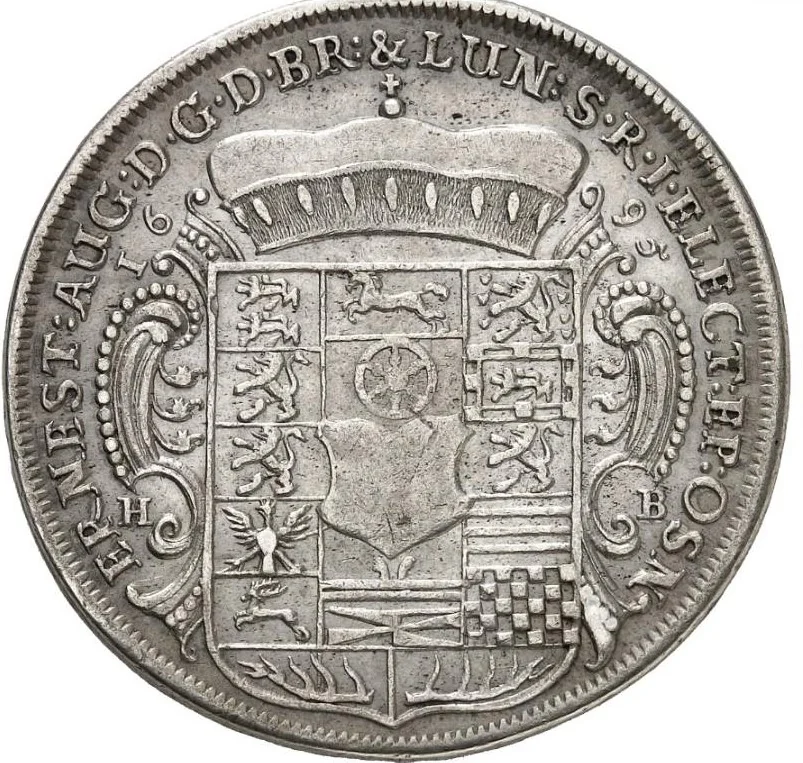
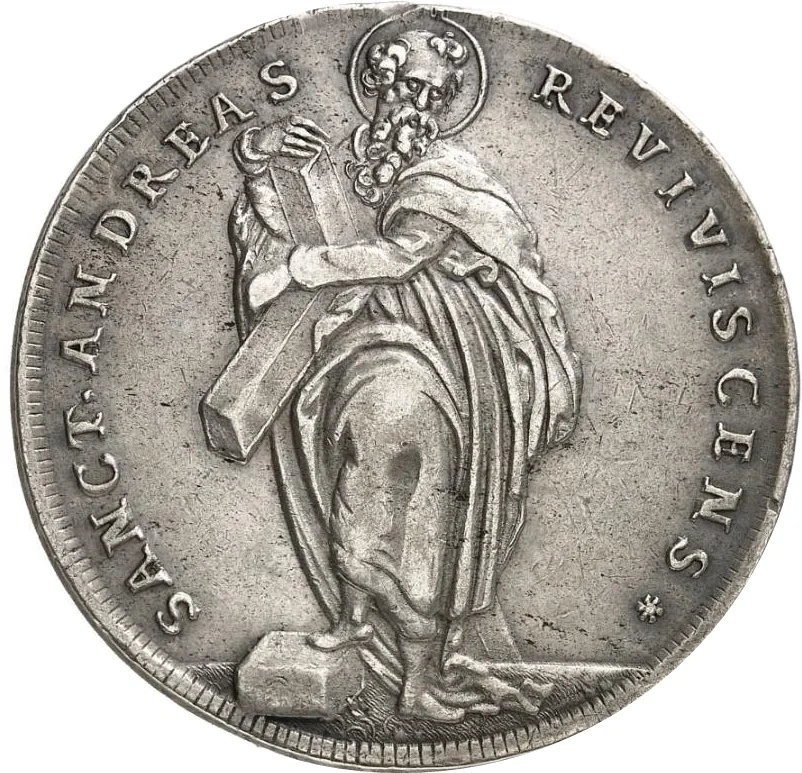
1 Thaler – Brunswick-Lüneburg-Calenberg
Germany
Context
Years: 1695–1697
Country: Germany 
Issuer: Brunswick-Lüneburg-Calenberg
Ruler: Ernest Augustus
Currency:
Demonetized: Yes
Material
References
KM: #Click to copy to clipboard394.1
Numista: #266524
Value
Bullion value: $81.11
Obverse
Description:
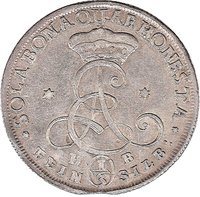
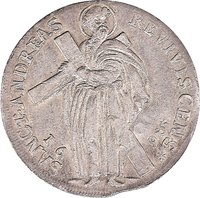
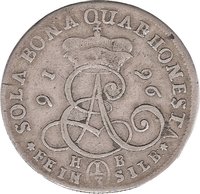
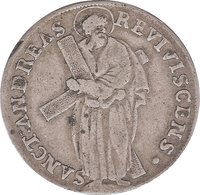
Heraldic emblem
Inscription:
ERNEST AUGUST D G BR & LUN S R I ELECT EP OSN
1695
HB
1695
HB
Script: Latin
Reverse
Edge
Mints
| Name | Mark |
|---|---|
| Clausthal | — |
Mintings
| Year | Mint Mark | Mintage | Quality | Collection |
|---|---|---|---|---|
| 1695 | — | — | ||
| 1697 | — | — |
Historical background
In 1695, the Duchy of Brunswick-Lüneburg, specifically the Principality of Calenberg under Duke Ernst August, was grappling with a severe monetary crisis rooted in the wider "Kipper- und Wipperzeit" (clipping and culling period) that had plagued the Holy Roman Empire for decades. The core problem was the widespread debasement of coinage, where ruling authorities, including the Brunswick-Lüneburg line, would mint new coins with reduced precious metal content while officially valuing them at par with older, full-weight coins. This practice, intended to raise short-term revenue for state expenses and military campaigns, led to an influx of inferior money, driving good-quality coins out of circulation (Gresham's Law) and causing rampant inflation and a collapse of public trust in the currency.
The situation in Calenberg was further complicated by its political structure. While Ernst August sought to consolidate power and advance his ambitions (which would lead to the Electorate of Hanover in 1692), the region was a patchwork of semi-independent territories and cities, each with varying rights to mint coinage. This fragmentation made a uniform monetary policy nearly impossible, allowing counterfeit and debased coins from neighboring states to circulate freely within its borders. The resulting economic instability disrupted trade, harmed creditors, and created social unrest, as the value of wages and savings eroded unpredictably.
Consequently, by the mid-1690s, there was a growing recognition of the need for reform. Ernst August and other German princes began moving toward the establishment of fixed monetary conventions. These efforts would culminate in the Leipzig Currency Standard of 1690, which was reinforced in the following years, aiming to stabilize the Reichsthaler and define a uniform silver content. Thus, 1695 represents a late crisis point within Calenberg, occurring during a slow and contentious transition from chaotic, debased currencies toward a more standardized and reliable imperial monetary system.
The situation in Calenberg was further complicated by its political structure. While Ernst August sought to consolidate power and advance his ambitions (which would lead to the Electorate of Hanover in 1692), the region was a patchwork of semi-independent territories and cities, each with varying rights to mint coinage. This fragmentation made a uniform monetary policy nearly impossible, allowing counterfeit and debased coins from neighboring states to circulate freely within its borders. The resulting economic instability disrupted trade, harmed creditors, and created social unrest, as the value of wages and savings eroded unpredictably.
Consequently, by the mid-1690s, there was a growing recognition of the need for reform. Ernst August and other German princes began moving toward the establishment of fixed monetary conventions. These efforts would culminate in the Leipzig Currency Standard of 1690, which was reinforced in the following years, aiming to stabilize the Reichsthaler and define a uniform silver content. Thus, 1695 represents a late crisis point within Calenberg, occurring during a slow and contentious transition from chaotic, debased currencies toward a more standardized and reliable imperial monetary system.
✨ Legendary