

2 schilling – Austria
Add to wishlist
Circulating commemorative coins
Commemoration: Death of Ignaz Seipel
Austria
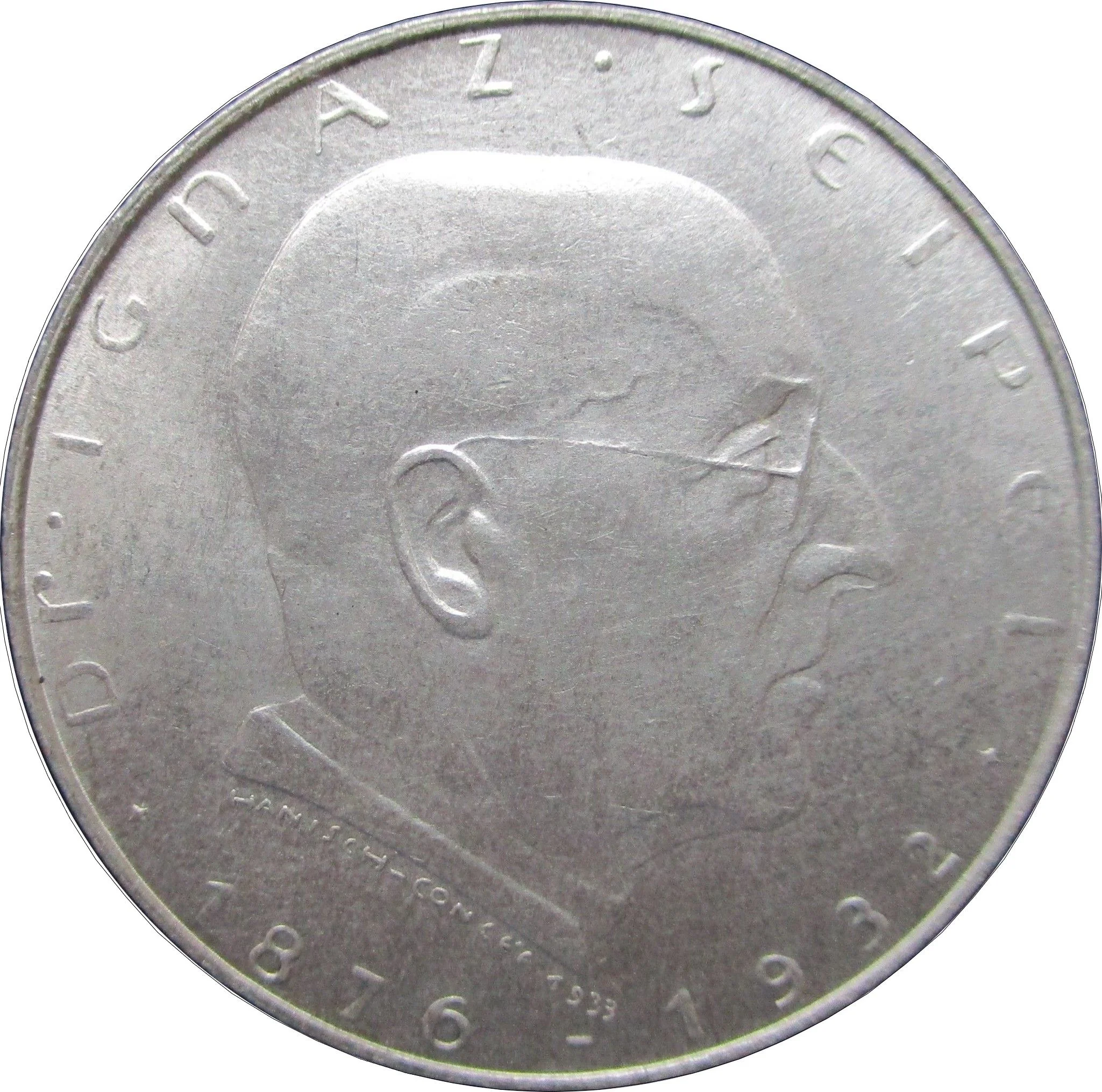
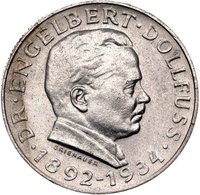
Obverse
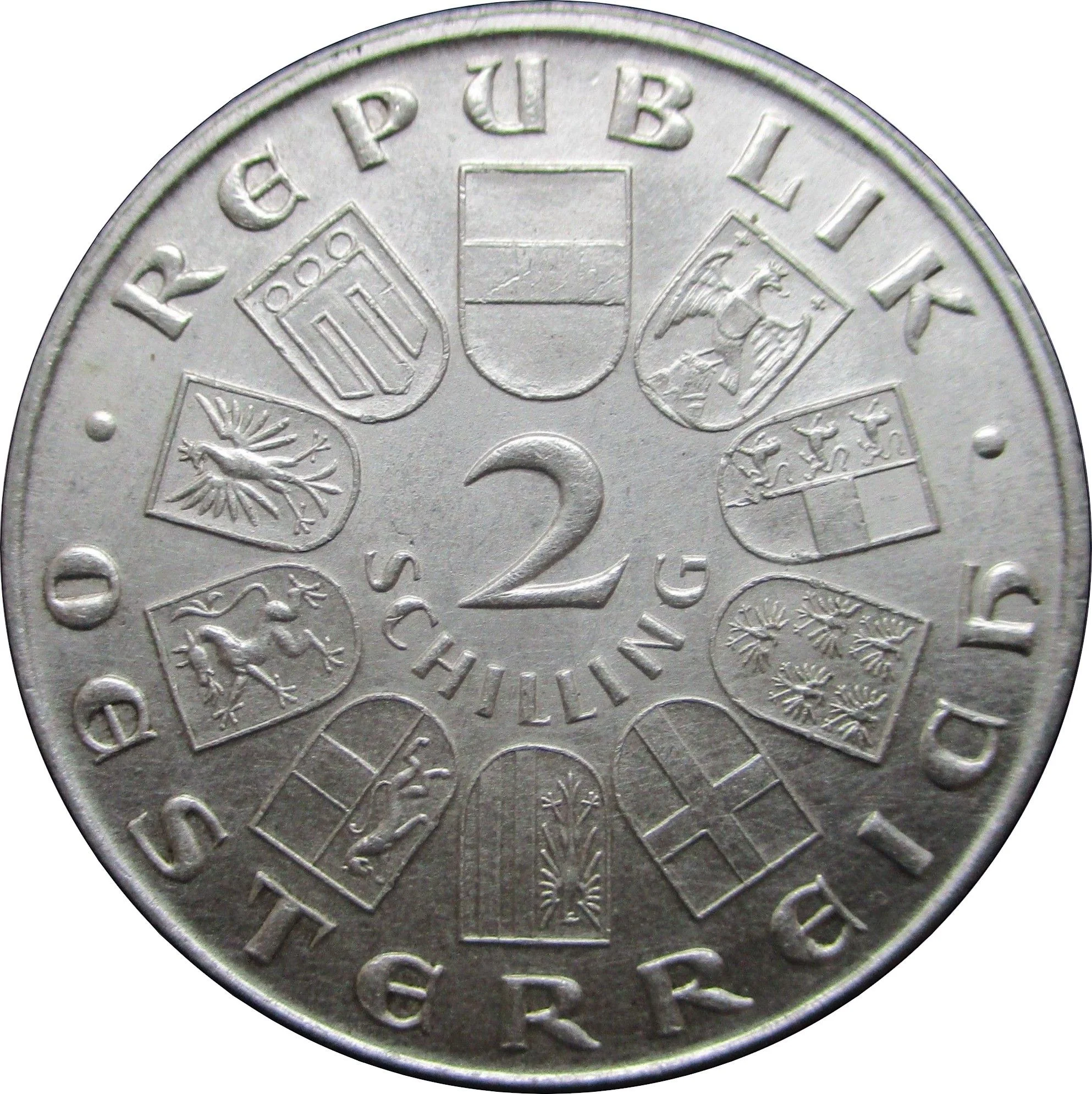
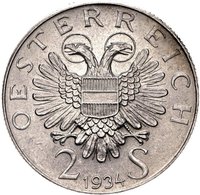
Reverse
Description:
Dr. Ignaz Seipel, right. Dates below.
Inscription:
IGNAZ SEIPEL
1876 - 1932
1876 - 1932
Script: Latin
Engraver: Eduard Hanisch-Concée
Edge
Reeded
Categories
| Event> Death anniversary |
| Person> Politician |
| Symbols> Coat of Arms |
Mints
| Name | Mark |
|---|---|
| Münze Österreich | — |
Mintings
| Year | Mint Mark | Mintage | Quality | Collection |
|---|---|---|---|---|
| 1933 | — | 400,000 | ||
| 1933 | — | — | Proof |
Historical background
In 1933, Austria was in the grip of a severe economic crisis, deeply intertwined with the global Great Depression and the collapse of the largest Austrian bank, the Creditanstalt, in 1931. This banking catastrophe triggered a regional financial meltdown, forcing the government to implement strict capital controls and seek international loans. The Austrian schilling, established in 1925, remained nominally on the gold standard but was in practice a managed currency, its stability heavily dependent on foreign support and restrictive financial policies that stifled economic activity and fueled widespread unemployment.
Politically, the currency situation was overseen by the authoritarian, corporatist regime of Chancellor Engelbert Dollfuss, who had suspended parliament in 1933. His government prioritized maintaining the schilling's external value and meeting obligations to foreign creditors, primarily to retain political independence from a resurgent Nazi Germany. This orthodox, deflationary policy came at a high social cost, involving drastic cuts to public spending and wages, which increased public discontent and political polarization between the ruling Christian Socials, the socialist left, and the growing Nazi movement.
Consequently, Austria's currency was not just an economic instrument but a symbol of its fragile sovereignty. The government's desperate efforts to defend the schilling, supported by loans from the League of Nations and fascist Italy, were a cornerstone of its struggle for political survival. However, these policies failed to generate a real recovery, leaving the economy stagnant and the population impoverished, creating a volatile backdrop for the Austrian Civil War of 1934 and the nation's eventual annexation by Nazi Germany in 1938.
Politically, the currency situation was overseen by the authoritarian, corporatist regime of Chancellor Engelbert Dollfuss, who had suspended parliament in 1933. His government prioritized maintaining the schilling's external value and meeting obligations to foreign creditors, primarily to retain political independence from a resurgent Nazi Germany. This orthodox, deflationary policy came at a high social cost, involving drastic cuts to public spending and wages, which increased public discontent and political polarization between the ruling Christian Socials, the socialist left, and the growing Nazi movement.
Consequently, Austria's currency was not just an economic instrument but a symbol of its fragile sovereignty. The government's desperate efforts to defend the schilling, supported by loans from the League of Nations and fascist Italy, were a cornerstone of its struggle for political survival. However, these policies failed to generate a real recovery, leaving the economy stagnant and the population impoverished, creating a volatile backdrop for the Austrian Civil War of 1934 and the nation's eventual annexation by Nazi Germany in 1938.
🌱 Fairly Common