

2 schilling (Joseph Haydn) – Austria
Add to wishlist
Circulating commemorative coins
Commemoration: 200th Anniversary of birth of Joseph Haydn
Austria
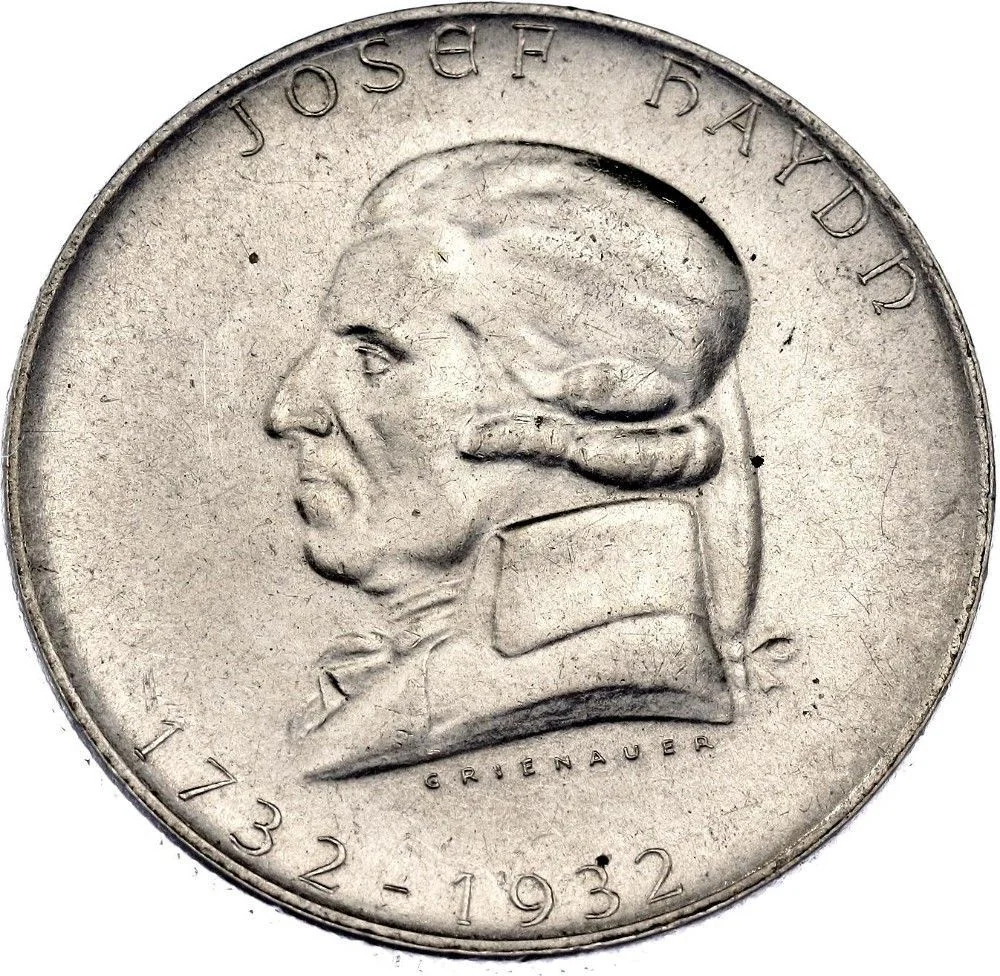
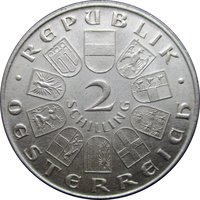
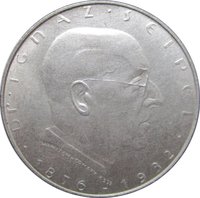
Obverse
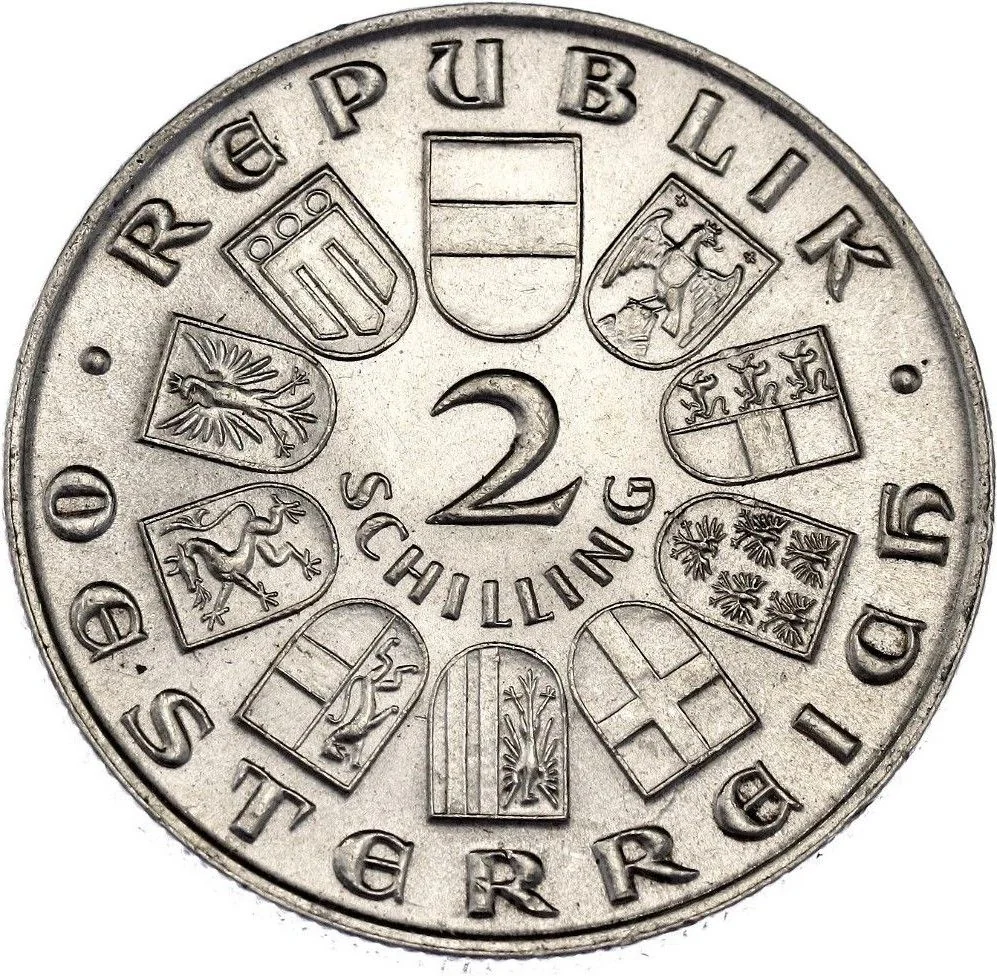
Reverse
Description:
Bust left, date below.
Inscription:
Josep Haydn
1732-1932
1732-1932
Script: Latin
Engraver: Edwin Grienauer
Edge
Categories
| Art> Music |
| Event> Birth anniversary |
| Symbols> Coat of Arms |
Mints
| Name | Mark |
|---|---|
| Münze Österreich | — |
Mintings
| Year | Mint Mark | Mintage | Quality | Collection |
|---|---|---|---|---|
| 1932 | — | 300,000 | ||
| 1932 | — | — | Proof |
Historical background
In 1932, Austria was in the grip of a severe financial and currency crisis, a direct consequence of the Great Depression and the collapse of its largest bank, the Creditanstalt, in May 1931. This event triggered a regional banking panic and a catastrophic flight of foreign capital, draining Austria's gold and foreign currency reserves. To prevent the immediate collapse of the schilling, the government was forced to impose strict exchange controls, effectively abandoning the gold standard and isolating its currency from international markets. The schilling became a "blocked currency," its value artificially maintained but its convertibility severely restricted, crippling foreign trade and investment.
The crisis was deeply intertwined with political pressures, both domestic and international. Domestically, the government of Chancellor Engelbert Dollfuss faced soaring unemployment and social unrest. Internationally, the proposed German-Austrian customs union, announced in 1931, had provoked fierce opposition from France and Czechoslovakia, who saw it as a step toward Anschluss (political union). This political friction further undermined confidence and limited Austria's access to vital international loans. Financial survival became dependent on foreign intervention, primarily a series of emergency loans brokered by the League of Nations, which came with stringent conditions requiring austerity and fiscal discipline.
Thus, by the end of 1932, Austria's currency situation was one of fragile and externally managed stability. The schilling was not freely traded, the economy remained depressed, and the state's financial sovereignty was heavily constrained by its foreign creditors. This precarious economic backdrop set the stage for the dramatic political events of 1933-34, as Dollfuss moved to establish an authoritarian regime, arguing that only a strong, centralized state could navigate the nation through its existential economic crisis.
The crisis was deeply intertwined with political pressures, both domestic and international. Domestically, the government of Chancellor Engelbert Dollfuss faced soaring unemployment and social unrest. Internationally, the proposed German-Austrian customs union, announced in 1931, had provoked fierce opposition from France and Czechoslovakia, who saw it as a step toward Anschluss (political union). This political friction further undermined confidence and limited Austria's access to vital international loans. Financial survival became dependent on foreign intervention, primarily a series of emergency loans brokered by the League of Nations, which came with stringent conditions requiring austerity and fiscal discipline.
Thus, by the end of 1932, Austria's currency situation was one of fragile and externally managed stability. The schilling was not freely traded, the economy remained depressed, and the state's financial sovereignty was heavily constrained by its foreign creditors. This precarious economic backdrop set the stage for the dramatic political events of 1933-34, as Dollfuss moved to establish an authoritarian regime, arguing that only a strong, centralized state could navigate the nation through its existential economic crisis.
🌱 Fairly Common