

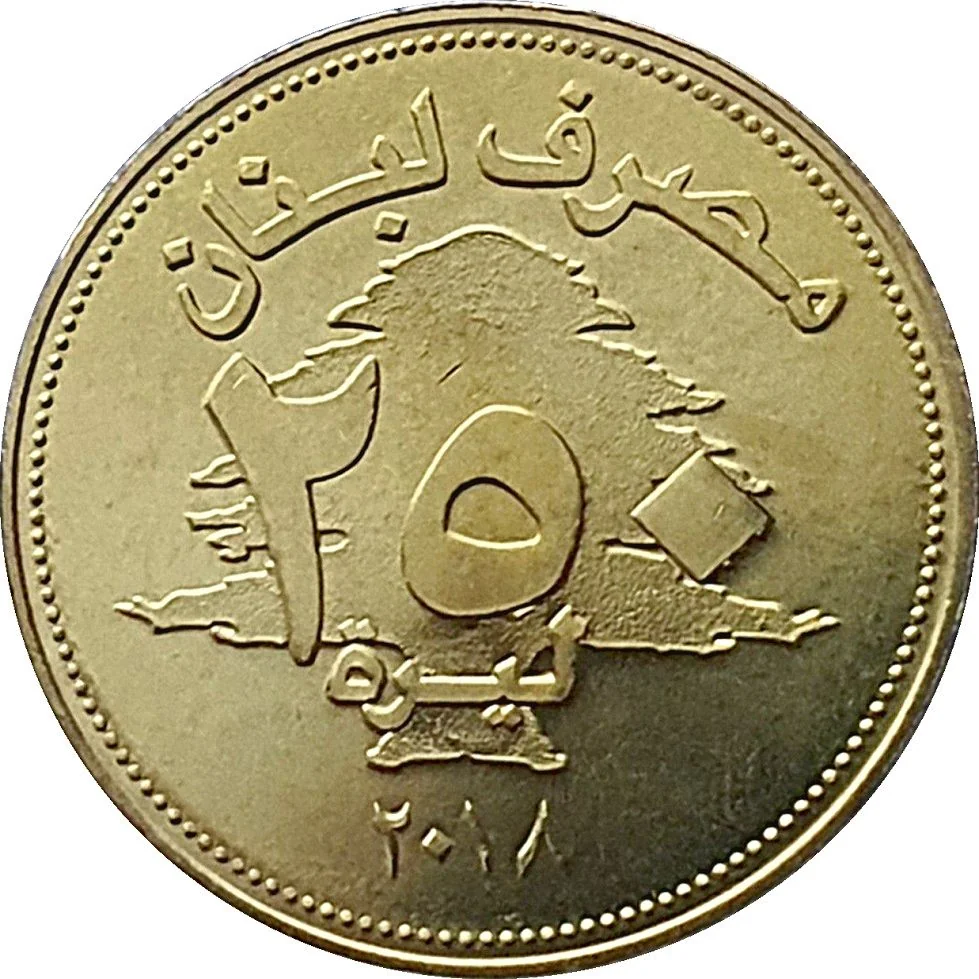
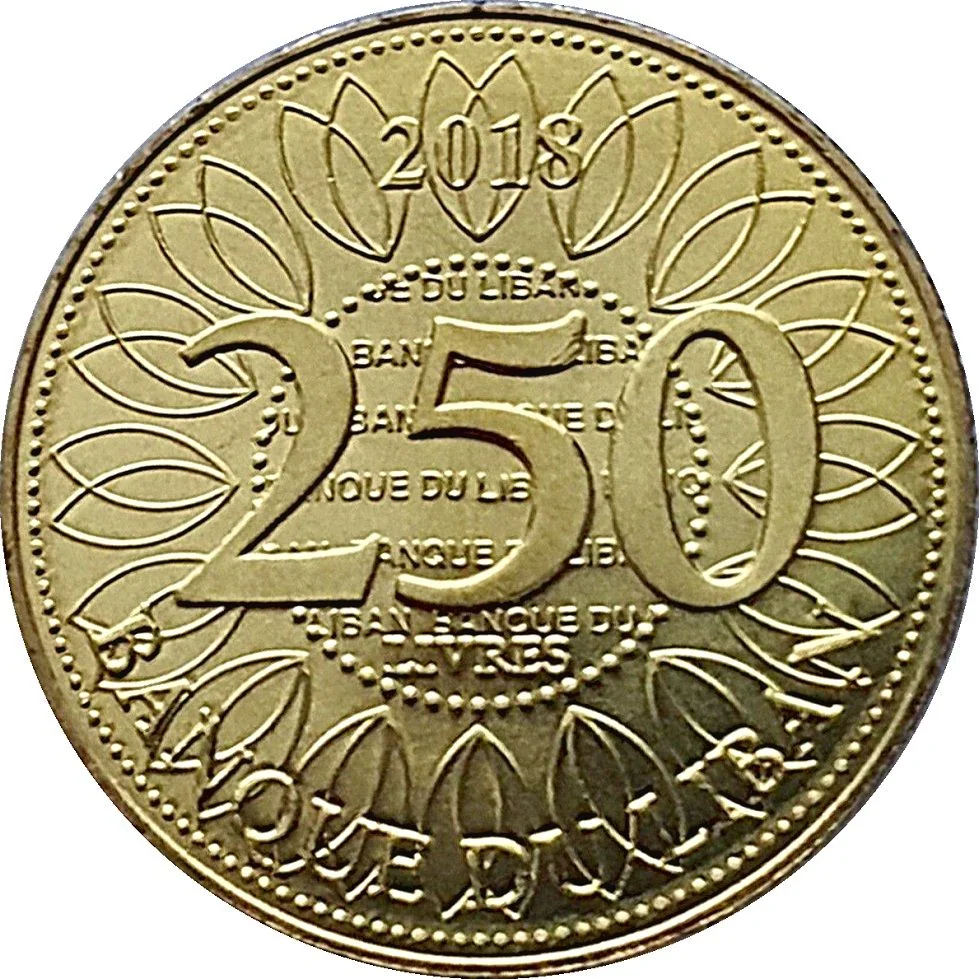
250 livres – Lebanon
Add to wishlist
Lebanon
Context
Years: 2006–2018
Issuer: Lebanon
Period:
(since 1943)
Currency:
(since 1939)
Total mintage: 25,198,000
Material
Diameter: 23.5 mm
Weight: 5 g
Thickness: 1.65 mm
Shape: Round
Composition: Nordic gold
Magnetic: No
Technique: Milled
Alignment: Coin alignment
flip
References
KM: #
Numista: #122665
Value
Exchange value: 250 LBP
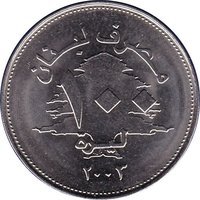
Obverse
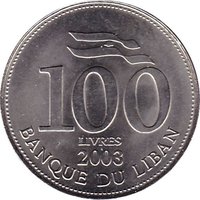
Reverse
Edge
Reeded
Mints
| Name | Mark |
|---|---|
| Monnaie de Paris | — |
| Münze Österreich | — |
Mintings
| Year | Mint Mark | Mintage | Quality | Collection |
|---|---|---|---|---|
| 2006 | — | — | ||
| 2009 | — | 2,000 | BU | |
| 2009 | — | 25,196,000 | ||
| 2012 | — | — | ||
| 2014 | — | — | ||
| 2018 | — | — |
Historical background
In 2006, Lebanon's currency situation was defined by a fragile but actively defended stability of the Lebanese pound (Lira), pegged at approximately 1,507.5 pounds to the US dollar since 1997. This peg was the cornerstone of financial policy, maintained by the Banque du Liban (Central Bank) through high interest rates to attract the foreign currency deposits needed to back the local currency. The system relied heavily on continuous inflows of capital, particularly from the large Lebanese diaspora and Gulf investments, to finance the country's substantial twin deficits—the fiscal deficit and the current account deficit.
The stability of this monetary edifice was severely tested by major political shocks in 2006. The July War between Hezbollah and Israel caused widespread destruction, displaced one million people, and brought economic activity to a halt for over a month. This crisis triggered a sharp but temporary depreciation in the parallel market, with the pound slipping to around 1,540 to the dollar, as confidence wavered and capital inflows temporarily stalled. Furthermore, the political landscape remained deeply fractured following the assassination of former Prime Minister Rafik Hariri in 2005, which created ongoing uncertainty and hampered the fiscal reforms necessary to ensure long-term sustainability.
By the end of 2006, the central bank had successfully restored the official peg through aggressive intervention, drawing on the country's still-substantial foreign exchange reserves. However, the underlying vulnerabilities were glaringly exposed. The war had increased public debt (already over 180% of GDP) through new borrowing for reconstruction, while political paralysis prevented any meaningful address of the root causes: a bloated public sector, inefficient electricity sector, and narrow revenue base. Thus, 2006 ended with the peg intact but the foundation critically weakened, setting the stage for the slow-burning crisis that would fully erupt over a decade later.
The stability of this monetary edifice was severely tested by major political shocks in 2006. The July War between Hezbollah and Israel caused widespread destruction, displaced one million people, and brought economic activity to a halt for over a month. This crisis triggered a sharp but temporary depreciation in the parallel market, with the pound slipping to around 1,540 to the dollar, as confidence wavered and capital inflows temporarily stalled. Furthermore, the political landscape remained deeply fractured following the assassination of former Prime Minister Rafik Hariri in 2005, which created ongoing uncertainty and hampered the fiscal reforms necessary to ensure long-term sustainability.
By the end of 2006, the central bank had successfully restored the official peg through aggressive intervention, drawing on the country's still-substantial foreign exchange reserves. However, the underlying vulnerabilities were glaringly exposed. The war had increased public debt (already over 180% of GDP) through new borrowing for reconstruction, while political paralysis prevented any meaningful address of the root causes: a bloated public sector, inefficient electricity sector, and narrow revenue base. Thus, 2006 ended with the peg intact but the foundation critically weakened, setting the stage for the slow-burning crisis that would fully erupt over a decade later.
🌱 Very Common