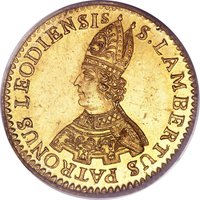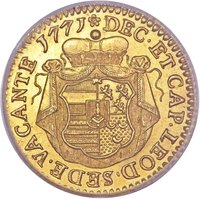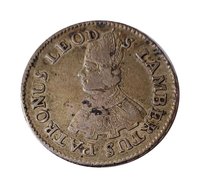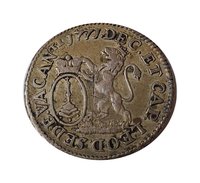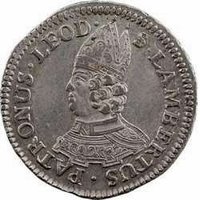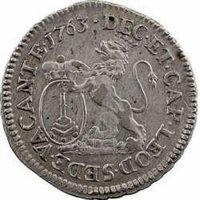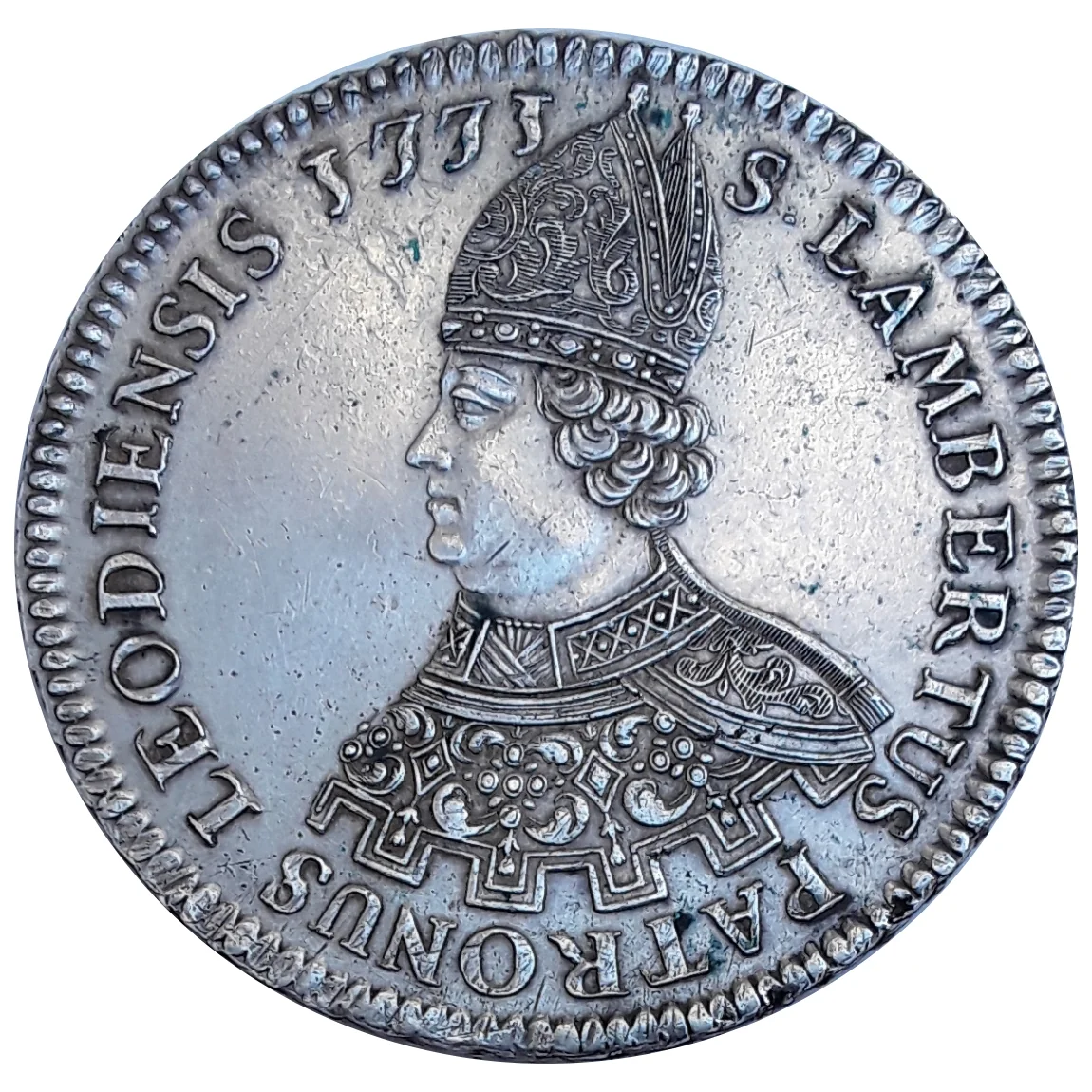
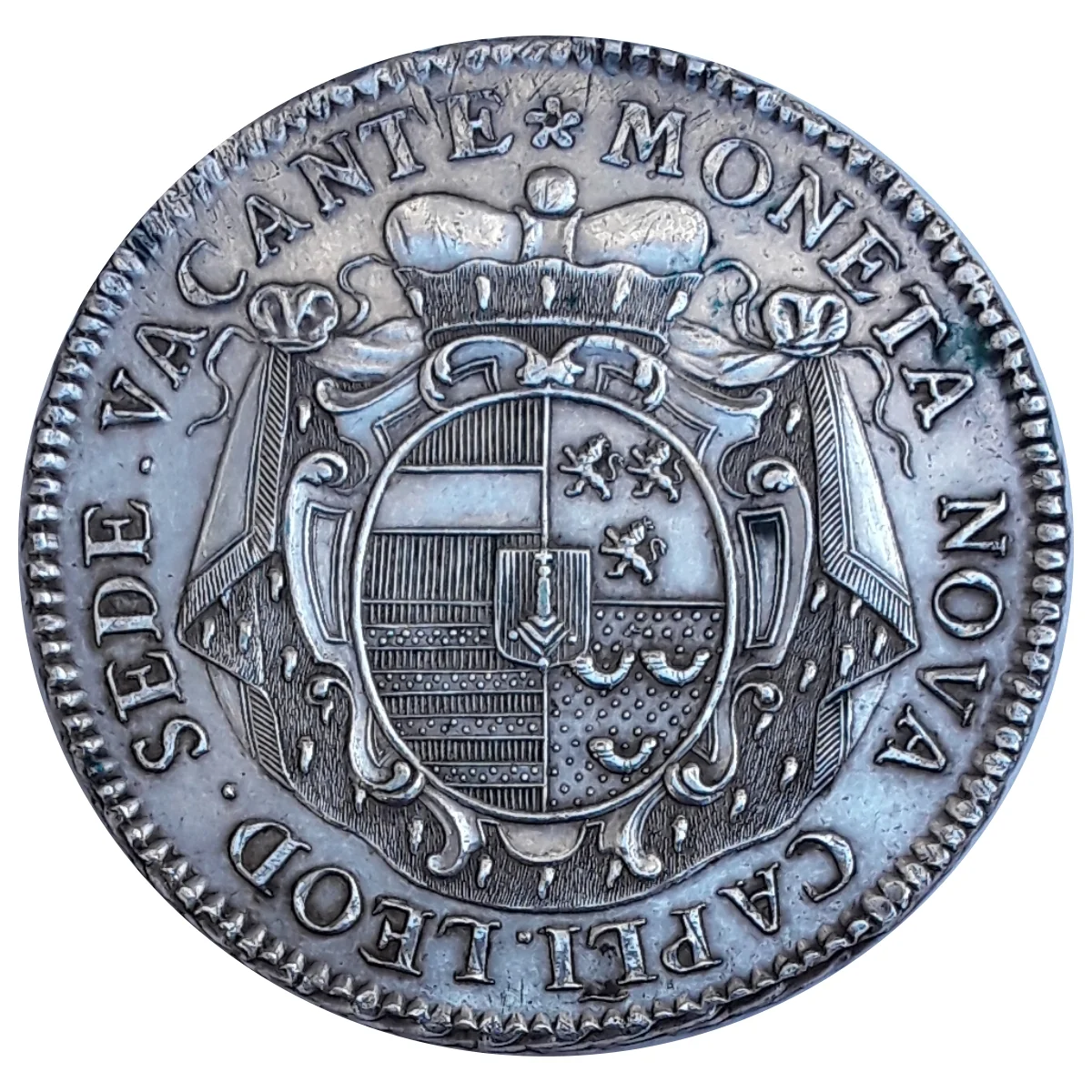
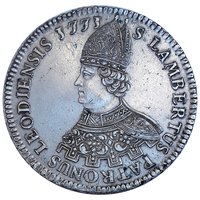
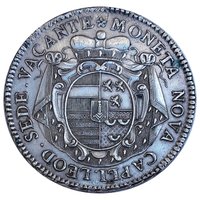
In 1771, the Prince-Bishopric of Liège, a sovereign ecclesiastical state within the Holy Roman Empire, grappled with a complex and deteriorating monetary situation. The core of the problem was the widespread circulation of a bewildering variety of coins, both foreign and domestic. Alongside the official Liège
patard, coins from neighboring states like the Austrian Netherlands, the Dutch Republic, and France circulated freely, their values fluctuating based on metal content and dubious exchange rates. This created a chaotic environment for trade, ripe for speculation and fraud, as merchants and money-changers exploited the inconsistencies.
This monetary anarchy was exacerbated by the deliberate debasement of coinage. Facing persistent fiscal shortfalls, the prince-bishops had periodically reduced the silver content in their own coins to generate seigniorage revenue. This practice, however, eroded public trust and drove "good" full-weight coins out of circulation, in accordance with Gresham's Law. By 1771, the intrinsic value of many coins in circulation was significantly lower than their nominal face value, leading to inflation, economic uncertainty, and grievances from both the merchant class and the general population.
The situation called for urgent reform, a responsibility that fell upon Prince-Bishop François-Charles de Velbrück (reigned 1772-1774), who would ascend to the throne the following year. The monetary chaos of 1771 set the stage for his ambitious, though ultimately only partially successful, attempts at monetary unification and stabilization. While the immediate context was one of disorder, the year represents a pivotal moment of recognition that the state's archaic and fragmented monetary system was a major impediment to economic stability and administrative modernity.