

1½ Pfennig – Brunswick-Lüneburg-Celle
Germany
Context
Years: 1698–1699
Country: Germany 
Issuer: Brunswick-Lüneburg-Celle
Ruler: George William
Currency:
Demonetized: Yes
Material
References
KM: #Click to copy to clipboard354
Numista: #184119
Obverse
Reverse
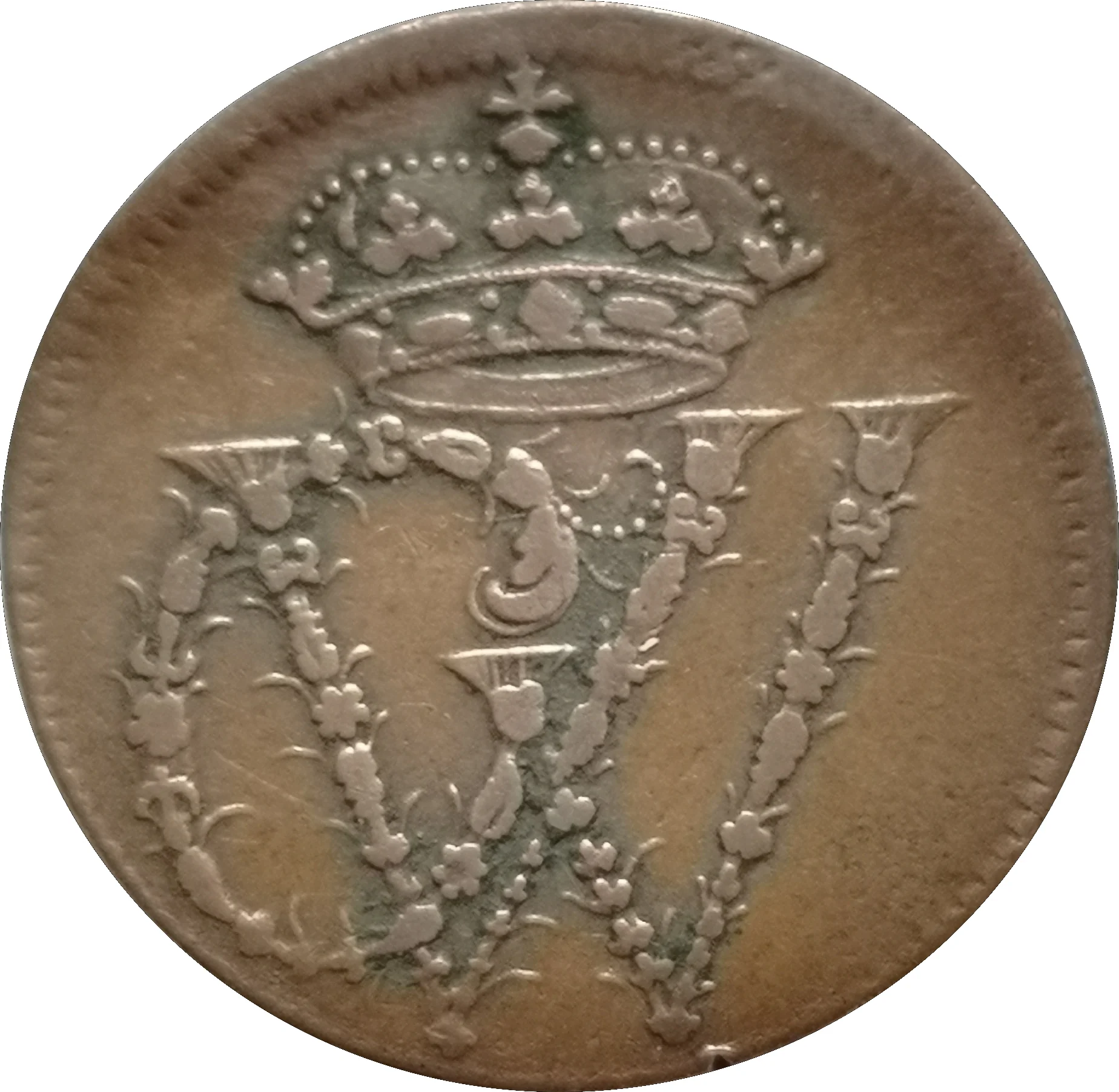
Description:
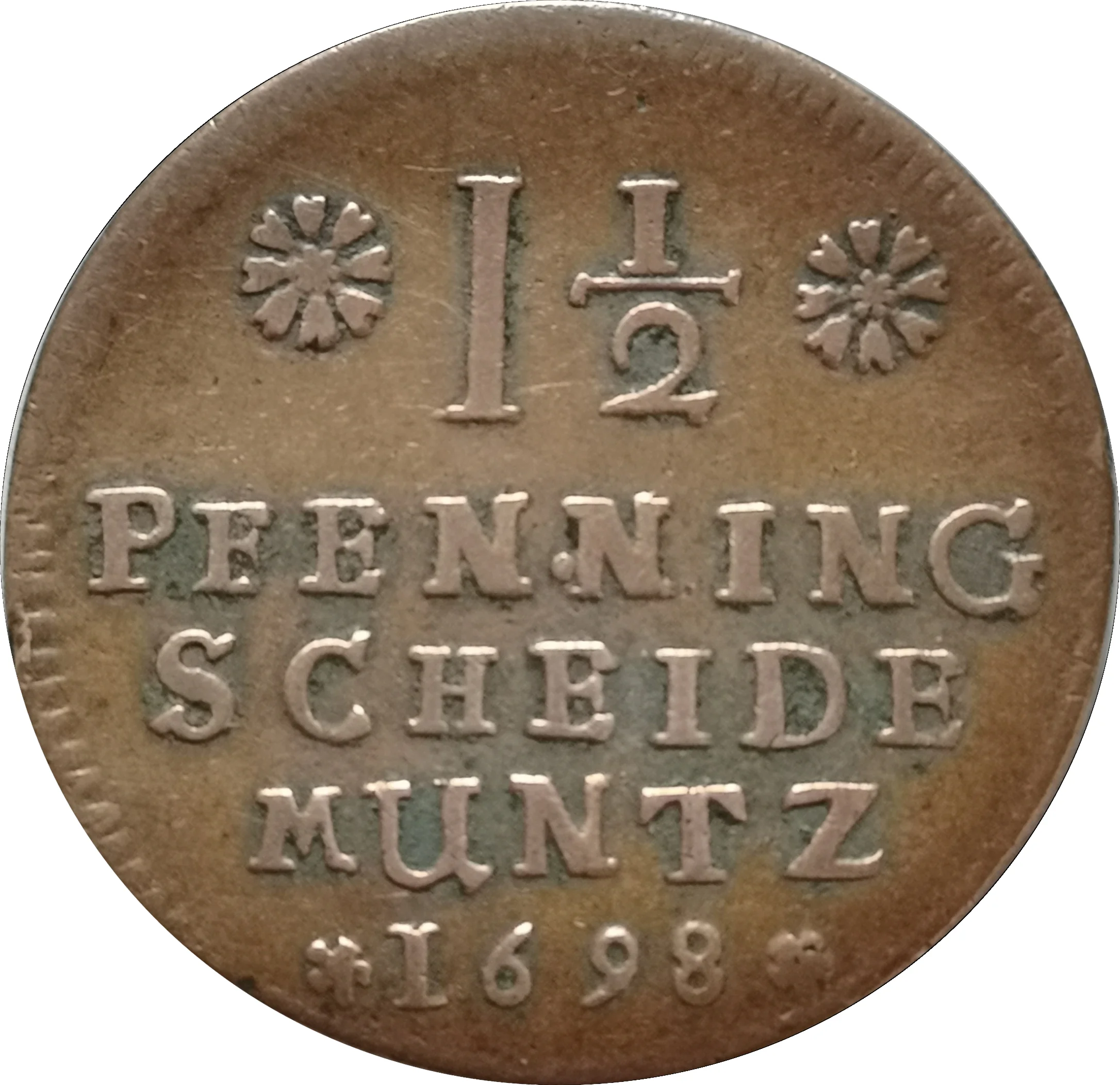
Denomination and date in five lines.
Inscription:
*1 1/2*
PFENNING
SCHEIDE
MUNTZ
*1698*
PFENNING
SCHEIDE
MUNTZ
*1698*
Script: Latin
Edge
Plain
Mintings
| Year | Mint Mark | Mintage | Quality | Collection |
|---|---|---|---|---|
| 1698 | — | — | ||
| — | — | — | ||
| 1699 | — | — |
Historical background
In 1698, the Duchy of Brunswick-Lüneburg, specifically the Principality of Celle under Duke George William, was entangled in the complex and dysfunctional monetary system of the Holy Roman Empire. The region operated within the framework of the Reichsmünzordnung (Imperial Coinage Ordinance), but these regulations were widely ignored by the myriad of states exercising their own minting rights. Consequently, Celle competed in a marketplace flooded with debased coins from neighboring principalities, leading to chronic instability, confusion in trade, and the erosion of public trust in the currency's value. This "Kipper und Wipper" crisis, though its peak had passed, left a legacy of poor-quality small change that hampered daily economic life.
Duke George William's administration actively pursued a policy of monetary stabilization and reform. The Celle mint focused on issuing higher-quality Reichsthaler and Gute Groschen to establish a reliable standard, aiming to drive debased money out of circulation. However, this was a constant struggle against economic forces; good coinage was often hoarded or melted down for its intrinsic silver value, while bad coinage remained stubbornly in use. The situation was further complicated by Celle's close economic ties with Hamburg and the broader Hanseatic trade network, which required a stable and trustworthy currency for commerce.
Therefore, the currency situation in 1698 was one of transition and active management. While still plagued by the empire-wide problem of fractionalized and competitive minting, the principality was not passive. Through targeted minting policies and attempts at regional monetary treaties, the Celle government sought to protect its economy from the worst of the chaos, laying groundwork for the more centralized monetary control that would later be achieved by the Electorate of Hanover. The year represents a point of ongoing effort rather than a moment of definitive crisis or resolution.
Duke George William's administration actively pursued a policy of monetary stabilization and reform. The Celle mint focused on issuing higher-quality Reichsthaler and Gute Groschen to establish a reliable standard, aiming to drive debased money out of circulation. However, this was a constant struggle against economic forces; good coinage was often hoarded or melted down for its intrinsic silver value, while bad coinage remained stubbornly in use. The situation was further complicated by Celle's close economic ties with Hamburg and the broader Hanseatic trade network, which required a stable and trustworthy currency for commerce.
Therefore, the currency situation in 1698 was one of transition and active management. While still plagued by the empire-wide problem of fractionalized and competitive minting, the principality was not passive. Through targeted minting policies and attempts at regional monetary treaties, the Celle government sought to protect its economy from the worst of the chaos, laying groundwork for the more centralized monetary control that would later be achieved by the Electorate of Hanover. The year represents a point of ongoing effort rather than a moment of definitive crisis or resolution.
✨ Legendary