

2 Daler SM – Sweden
Sweden
Context
Years: 1714–1716
Issuer: Sweden 
Ruler: Charles XII
Subdivision: 2 Daler SM = ⅔ Riksdaler
Demonetized: Yes
Material
References
KM: #Click to copy to clipboardPM-A48
Numista: #183883
Obverse
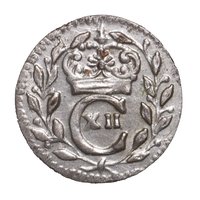
Description:
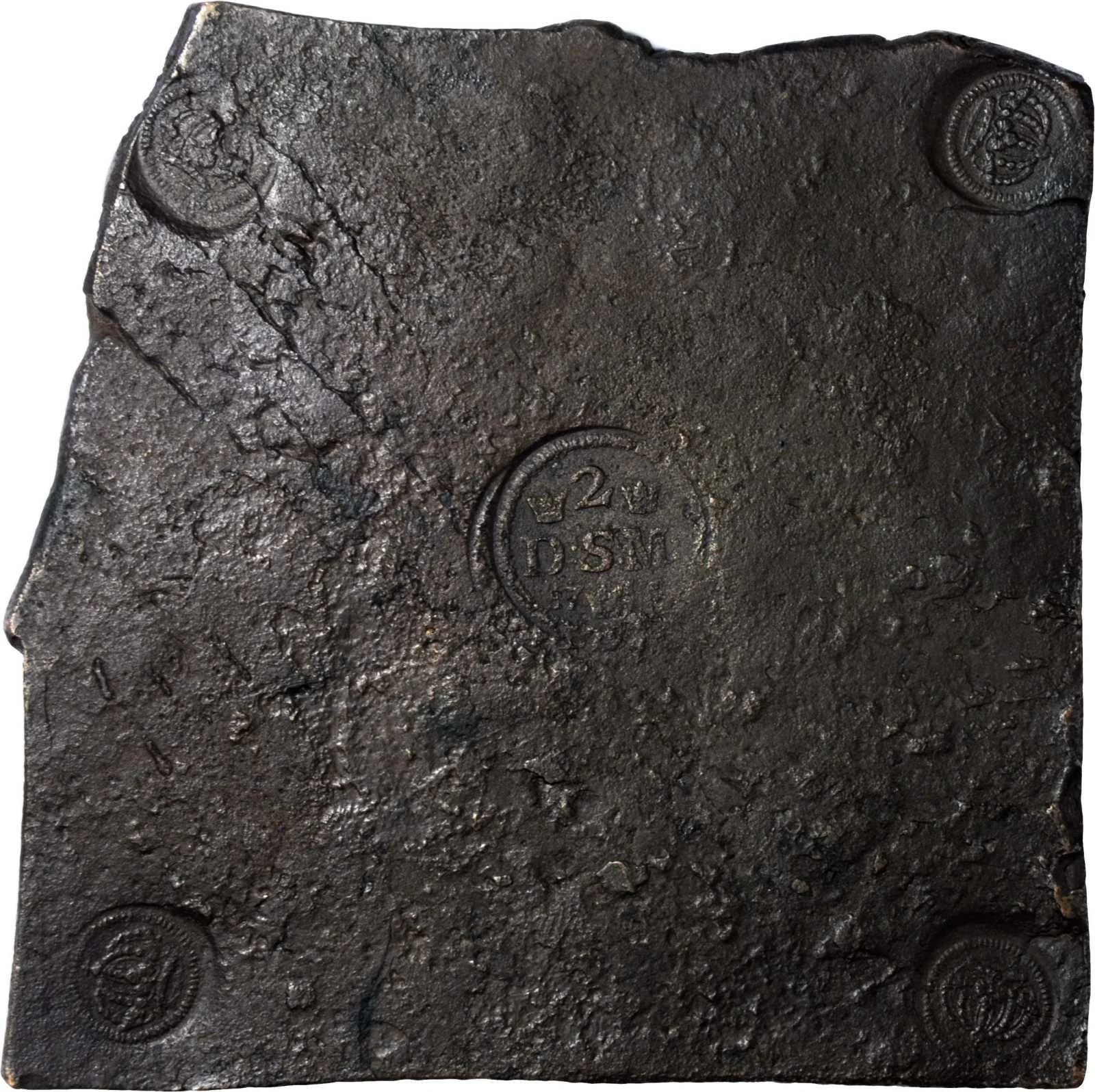
Crown corners. Value and year centre.
Inscription:
Centre stamp:
*2*
D:S:M:
1716
*2*
D:S:M:
1716
Script: Latin
Reverse
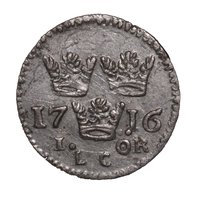
Description:
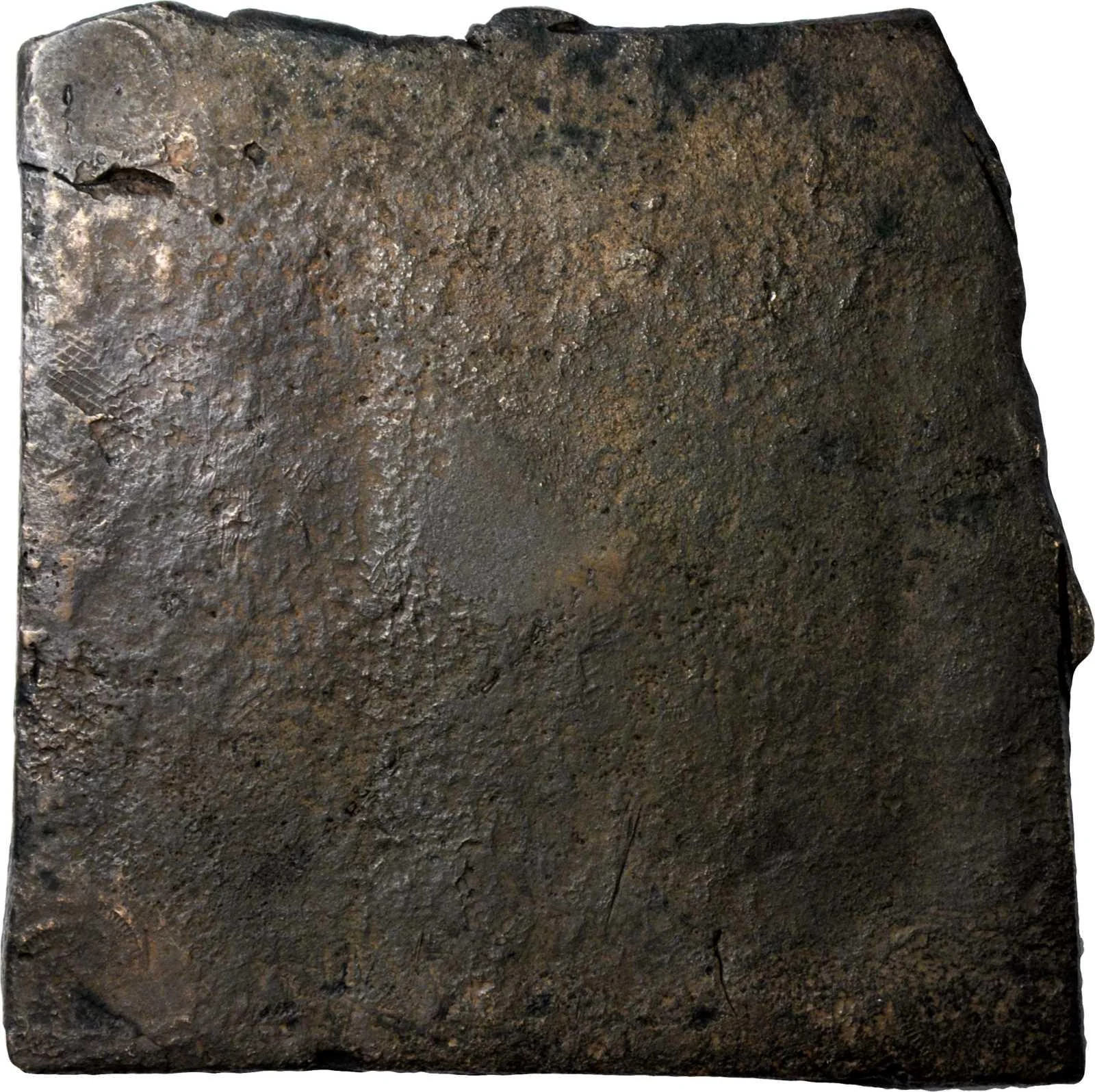
Blank.
Edge
Mints
| Name | Mark |
|---|---|
| Stockholm | — |
Mintings
| Year | Mint Mark | Mintage | Quality | Collection |
|---|---|---|---|---|
| 1714 | — | — | ||
| 1715 | — | — | ||
| 1716 | — | — |
Historical background
In 1714, Sweden was grappling with a severe monetary crisis, a direct consequence of its prolonged involvement in the Great Northern War (1700-1721). The immense cost of financing the military campaigns against a coalition led by Russia had drained the royal treasury. To cover these expenses, the government, under King Charles XII, had resorted to the large-scale minting of low-quality copper and silver coins with a drastically reduced precious metal content, a practice known as debasement. This led to a proliferation of so-called "emergency coins" (nödmynt), which held little intrinsic value and circulated alongside older, purer currency, creating a chaotic and multi-tiered monetary system.
The situation was exacerbated by a critical shortage of small-denomination coins for everyday transactions, as these were hoarded or melted down for their metal. Furthermore, the state attempted to force the circulation of its debased coins by decreeing them as legal tender at face value, but the public and merchants, recognizing their inferior worth, lost confidence. This resulted in rampant inflation, where prices for goods and services soared as the value of the currency plummeted. The economy suffered from instability, making trade difficult and eroding public trust in the monetary authority.
This crisis set the stage for future reforms. The dire financial state of 1714 highlighted the unsustainable fiscal policies of the absolutist monarchy during the war. Following the death of Charles XII in 1718, the subsequent "Age of Liberty" would see the Riksdag (parliament) seize control of finances and, in the 1740s, establish the Riksens Ständers Bank (precursor to the Riksbank), laying the foundation for a more stable paper currency system to eventually replace the discredited copper-based coinage.
The situation was exacerbated by a critical shortage of small-denomination coins for everyday transactions, as these were hoarded or melted down for their metal. Furthermore, the state attempted to force the circulation of its debased coins by decreeing them as legal tender at face value, but the public and merchants, recognizing their inferior worth, lost confidence. This resulted in rampant inflation, where prices for goods and services soared as the value of the currency plummeted. The economy suffered from instability, making trade difficult and eroding public trust in the monetary authority.
This crisis set the stage for future reforms. The dire financial state of 1714 highlighted the unsustainable fiscal policies of the absolutist monarchy during the war. Following the death of Charles XII in 1718, the subsequent "Age of Liberty" would see the Riksdag (parliament) seize control of finances and, in the 1740s, establish the Riksens Ständers Bank (precursor to the Riksbank), laying the foundation for a more stable paper currency system to eventually replace the discredited copper-based coinage.
✨ Legendary