

1½ Daler SM – Sweden
Sweden
Context
Years: 1713–1718
Issuer: Sweden 
Ruler: Charles XII
Subdivision: 1½ Daler SM = ½ Riksdaler
Demonetized: Yes
Material
References
KM: #Click to copy to clipboardPM93
Numista: #184359
Obverse
Description:
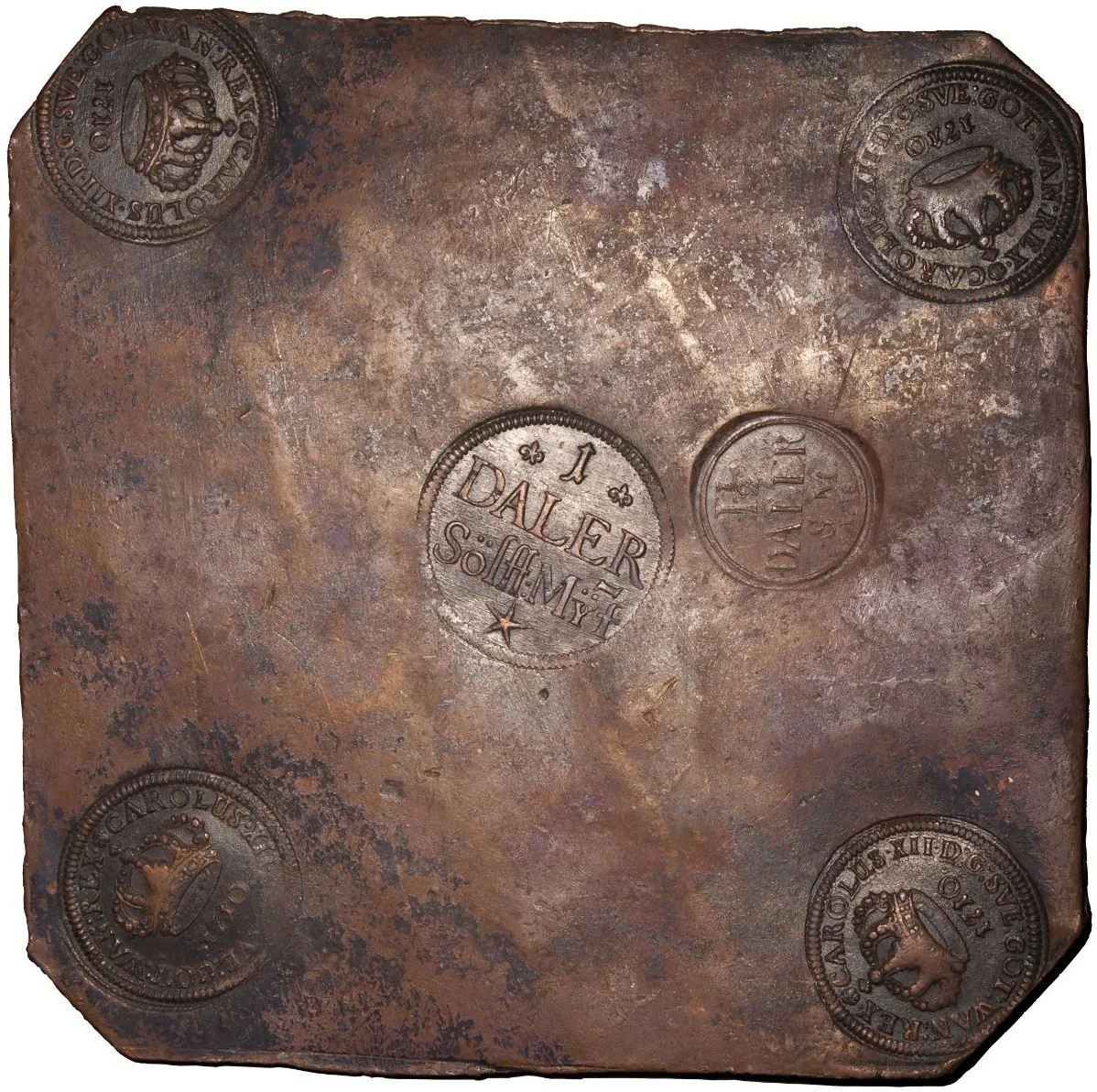
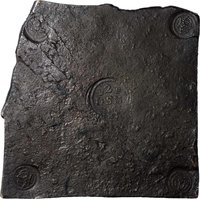
Crown above date. Central value over arrows. Countermarked value.
Inscription:
CAROLUS·XII·D:G:SVECO:GOT:WAN:REX.
1710
*1*
DALER
Sölff:Mÿf
1 1/2
DALER
S:M
1718
1710
*1*
DALER
Sölff:Mÿf
1 1/2
DALER
S:M
1718
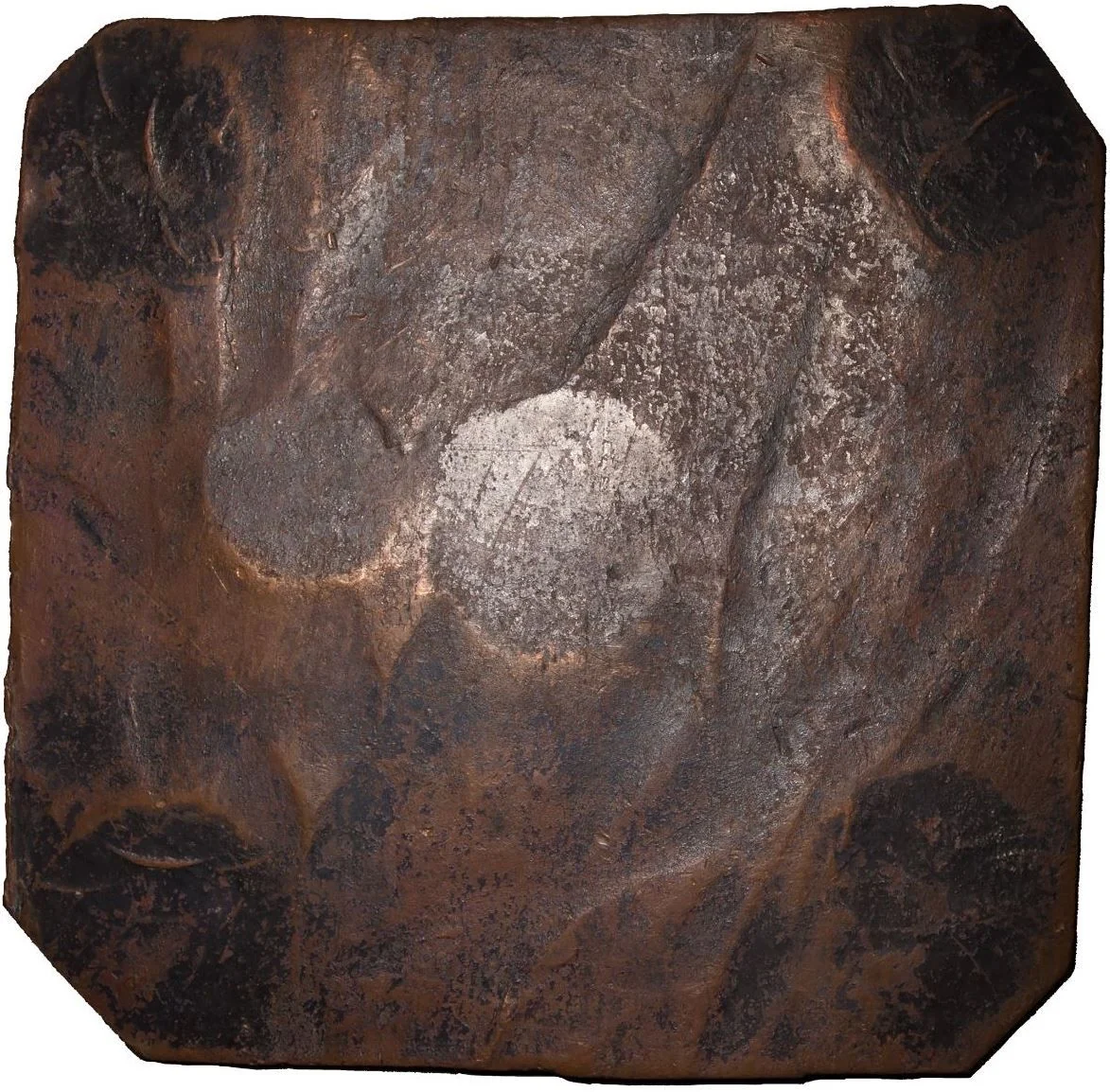
Reverse
Edge
Mints
| Name | Mark |
|---|---|
| Avesta | — |
| Garpenberg | — |
Mintings
| Year | Mint Mark | Mintage | Quality | Collection |
|---|---|---|---|---|
| 1713 | — | — | ||
| 1718 | — | — |
Historical background
In 1713, Sweden was in the midst of the Great Northern War (1700–1721), a prolonged and costly conflict that had drained the state's finances. King Charles XII, fighting from exile in the Ottoman Empire after the disastrous defeat at Poltava in 1709, desperately needed funds to rebuild his army. With traditional tax revenues insufficient and the Riksdag (parliament) resistant to new levies, the government, led by the King's sister Ulrika Eleonora and the governing council, resorted to the drastic measure of issuing vast quantities of copper and silver coinage with a drastically reduced precious metal content. This was a deliberate policy of currency debasement.
The result was severe inflation and a collapse in public trust. The new, inferior coins flooded the market, causing prices to skyrocket as the real value of the currency plummeted. This period, often referred to as the "coin-plate period," created economic chaos. Merchants hoarded older, full-value coins (Gresham's Law in action), and foreign trade became difficult as international partners refused the debased Swedish money. The economic distress fell heavily on the common people, soldiers, and civil servants, who were paid in the nearly worthless currency.
This monetary crisis forced a fundamental rethinking. In 1715, the government attempted to stabilize the situation by introducing a new currency standard, the riksdaler specie, which was intended to restore confidence by being tied to silver. However, the damage was deep and lasting. The experience of 1713 and its aftermath became a powerful national lesson, contributing to Sweden's later reputation for monetary stability and eventually paving the way for the establishment of the Riksbank as a modern central bank committed to maintaining the value of the currency.
The result was severe inflation and a collapse in public trust. The new, inferior coins flooded the market, causing prices to skyrocket as the real value of the currency plummeted. This period, often referred to as the "coin-plate period," created economic chaos. Merchants hoarded older, full-value coins (Gresham's Law in action), and foreign trade became difficult as international partners refused the debased Swedish money. The economic distress fell heavily on the common people, soldiers, and civil servants, who were paid in the nearly worthless currency.
This monetary crisis forced a fundamental rethinking. In 1715, the government attempted to stabilize the situation by introducing a new currency standard, the riksdaler specie, which was intended to restore confidence by being tied to silver. However, the damage was deep and lasting. The experience of 1713 and its aftermath became a powerful national lesson, contributing to Sweden's later reputation for monetary stability and eventually paving the way for the establishment of the Riksbank as a modern central bank committed to maintaining the value of the currency.
✨ Legendary