

½ daler sm – Sweden
Add to wishlist
Sweden
Context
Years: 1710–1715
Issuer: Sweden
Ruler: Charles XII
Subdivision: ½ daler sm = ⅙ Riksdaler
Demonetized: Yes
Material
References
KM: #
Numista: #183751
Obverse
Description:
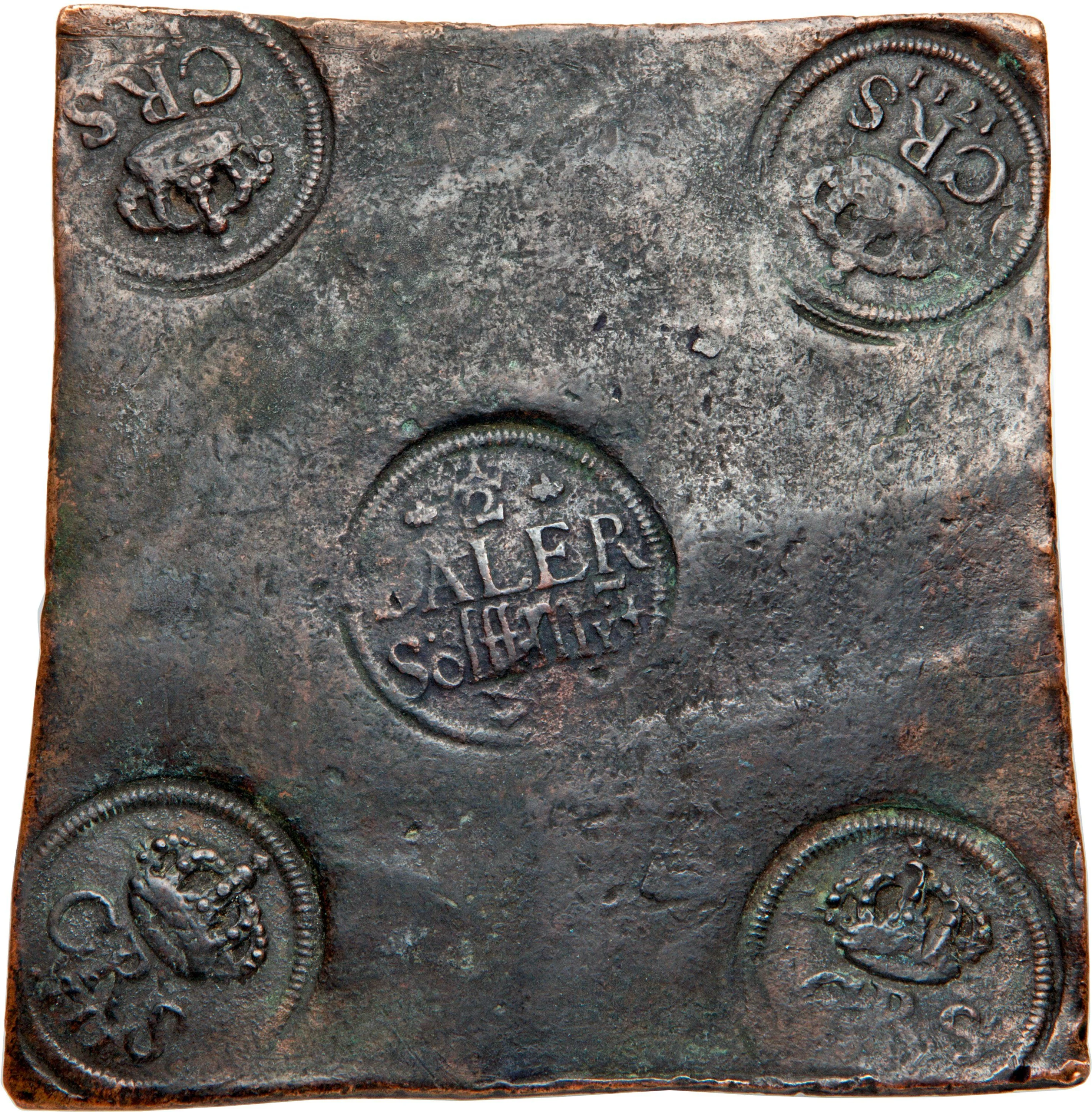
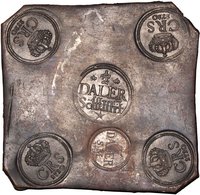
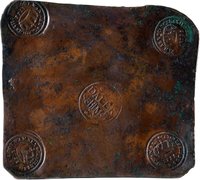
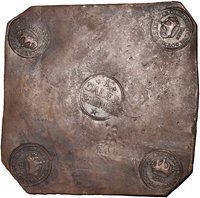
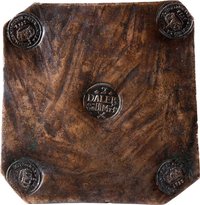
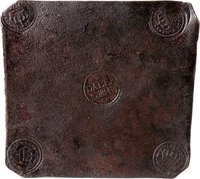
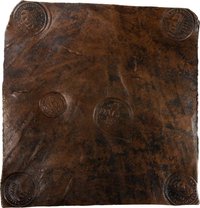
Crowned king's monogram and date flank crossed arrows with value above.
Inscription:
Corner stamps:
CRS
1712
Centre stamp:
½
DALER
Sölff:Myf
CRS
1712
Centre stamp:
½
DALER
Sölff:Myf
Script: Latin
Reverse
Description:
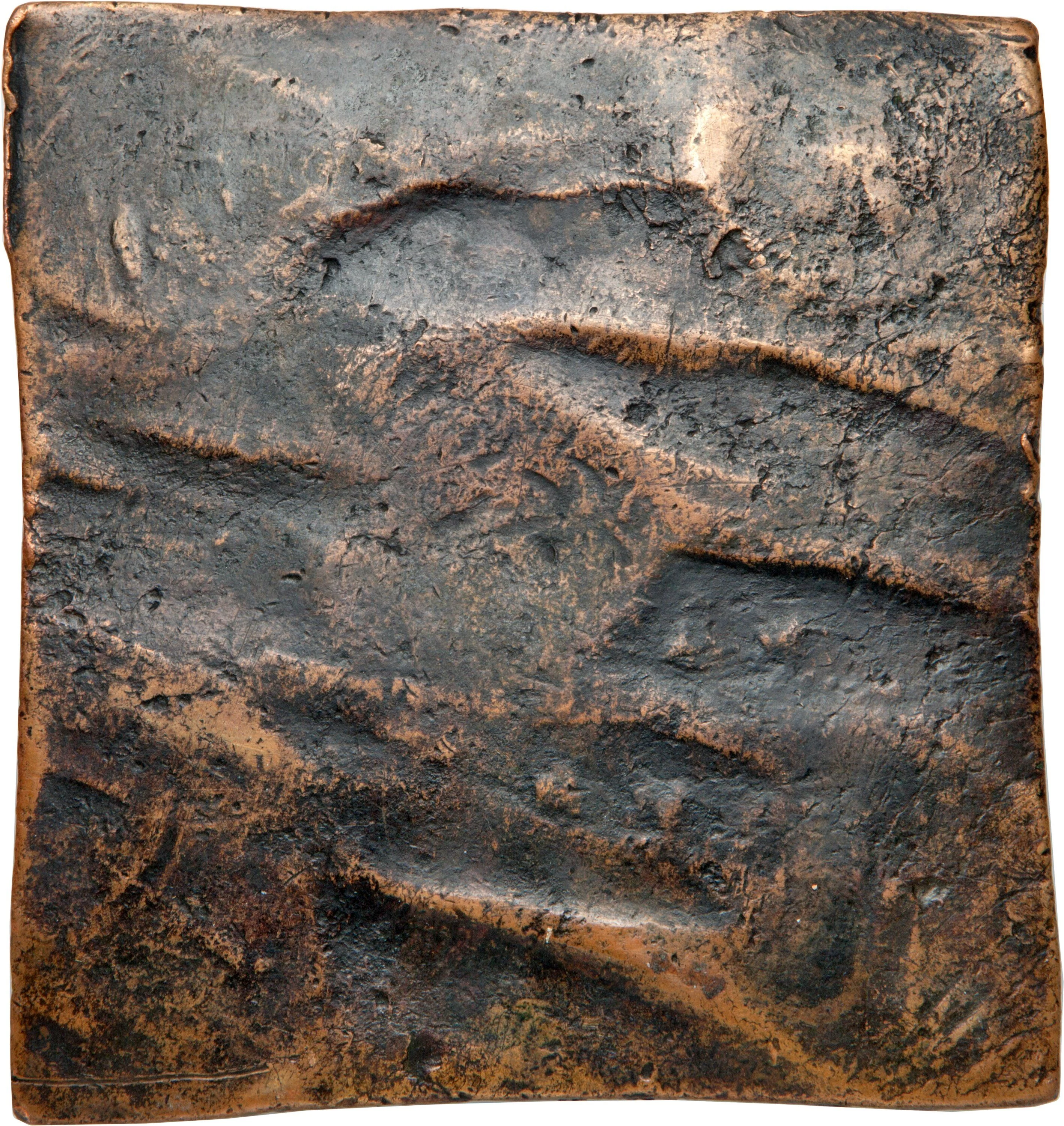
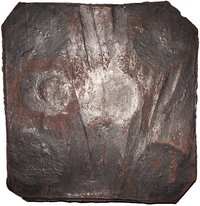
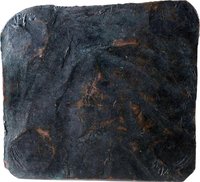
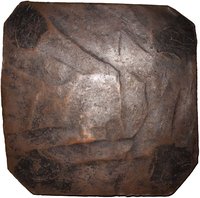
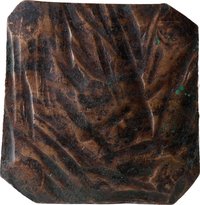
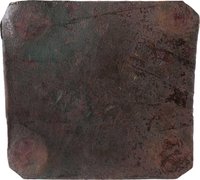
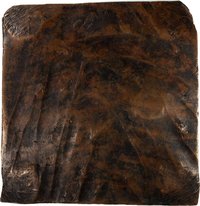
Blank.
Edge
Mints
| Name | Mark |
|---|---|
| Avesta | — |
Mintings
| Year | Mint Mark | Mintage | Quality | Collection |
|---|---|---|---|---|
| 1710 | — | — | ||
| 1711 | — | — | ||
| 1712 | — | — | ||
| 1713 | — | — | ||
| 1714 | — | — | ||
| 1715 | — | — |
Historical background
In 1710, Sweden was embroiled in the Great Northern War (1700–1721), a conflict that had stretched its finances to the breaking point. King Charles XII's ambitious campaigns, particularly the disastrous defeat at Poltava in 1709, had drained the treasury. To fund the ongoing war effort, the Swedish government, under the authority of the Riksdag of the Estates, resorted to the drastic measure of issuing vast quantities of copper and silver coinage with a drastically reduced precious metal content. This marked the beginning of a period of severe currency debasement, where the intrinsic value of the coins fell far below their face value.
The primary instrument of this policy was the so-called "emergency money" (nödmynt). The government minted lightweight copper mynttecken (coin tokens) and debased silver coins, flooding the market with this inferior currency. This was essentially a form of forced credit, as the state used this cheaply produced money to pay soldiers, suppliers, and its debts. The immediate effect was a rapid loss of public confidence in the currency, leading to rampant inflation as merchants and the population adjusted prices upward to compensate for the declining purchasing power of the coins.
Consequently, Sweden found itself in a chaotic monetary situation with multiple currencies in circulation: older, full-value coins (which were hoarded), the new debased official currency, and a variety of private credit notes and tokens. Prices soared, and the economy suffered from severe instability. The currency crisis of 1710 was a direct symptom of the immense strain of the war, demonstrating how fiscal desperation led to monetary policy that eroded economic stability and placed a heavy burden on the Swedish populace.
The primary instrument of this policy was the so-called "emergency money" (nödmynt). The government minted lightweight copper mynttecken (coin tokens) and debased silver coins, flooding the market with this inferior currency. This was essentially a form of forced credit, as the state used this cheaply produced money to pay soldiers, suppliers, and its debts. The immediate effect was a rapid loss of public confidence in the currency, leading to rampant inflation as merchants and the population adjusted prices upward to compensate for the declining purchasing power of the coins.
Consequently, Sweden found itself in a chaotic monetary situation with multiple currencies in circulation: older, full-value coins (which were hoarded), the new debased official currency, and a variety of private credit notes and tokens. Prices soared, and the economy suffered from severe instability. The currency crisis of 1710 was a direct symptom of the immense strain of the war, demonstrating how fiscal desperation led to monetary policy that eroded economic stability and placed a heavy burden on the Swedish populace.
Series: 1710 Sweden circulation coins
✨ Legendary