

1 Cash – Danish India
India
Context
Years: 1689–1691
Country: India 
Issuer: Danish India
Ruler: Christian V
Currency:
(1730—1818)
Demonetized: Yes
Material
References
KM: #Click to copy to clipboard119
Numista: #174179
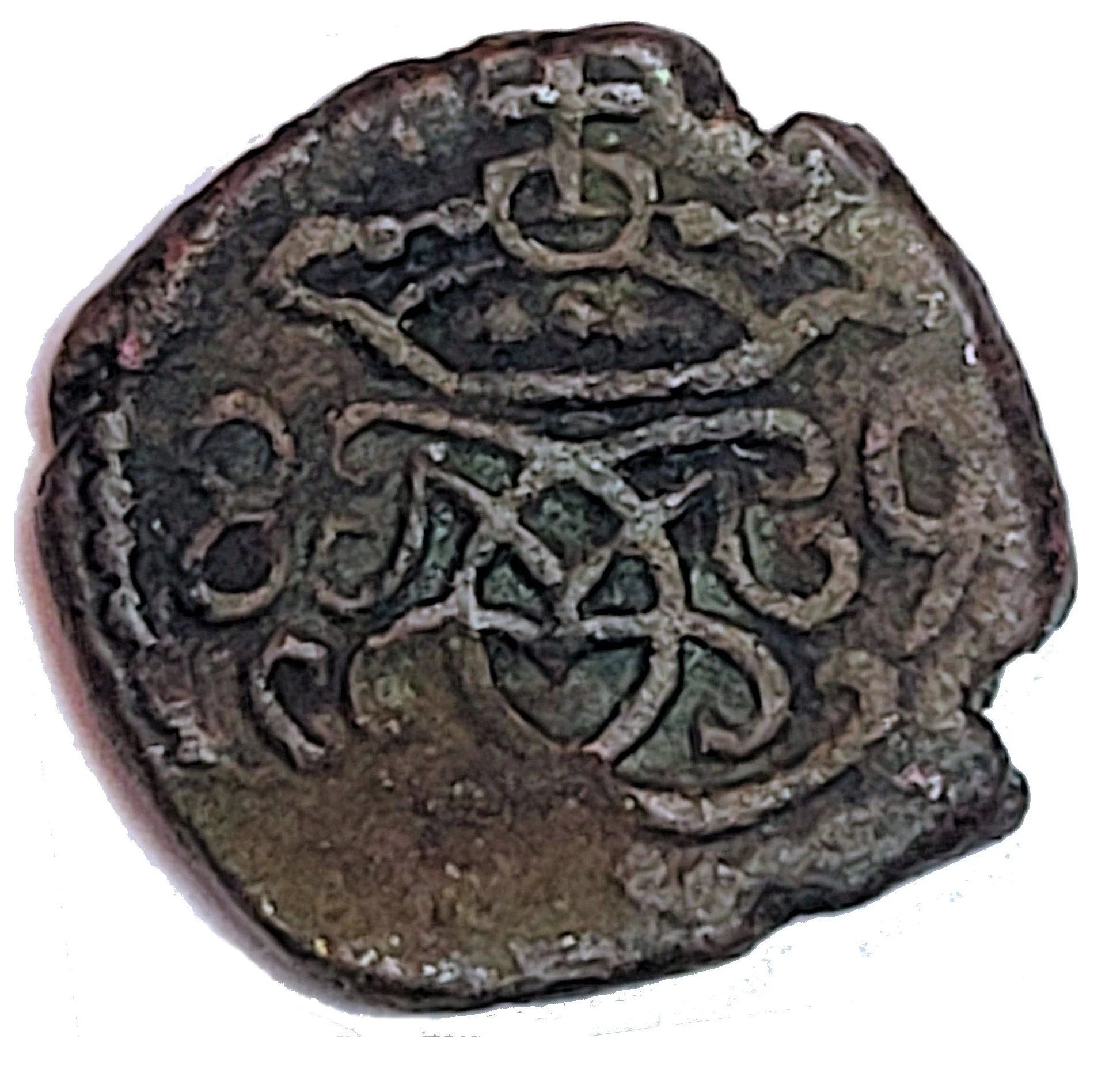
Obverse
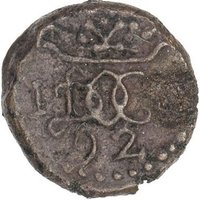
Description:
Crowned "CC" divides date's final digits.
Script: Latin
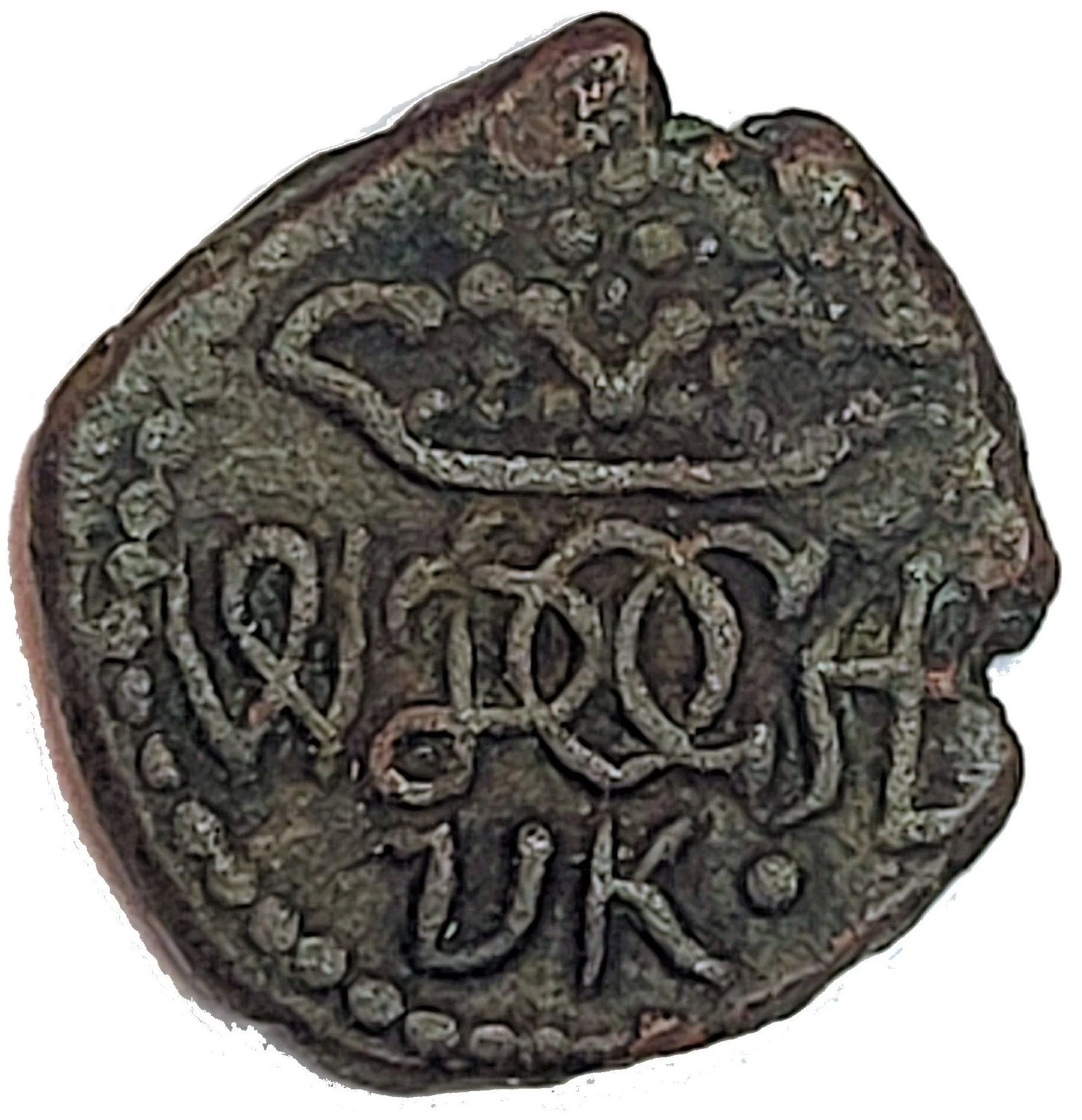
Reverse
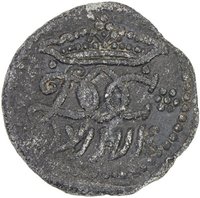
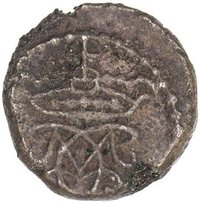
Description:
DOC monogram crowned, over W H VK.
Script: Latin
Edge
Mintings
| Year | Mint Mark | Mintage | Quality | Collection |
|---|---|---|---|---|
| 1689 | — | — | ||
| 1690 | — | — | ||
| 1691 | — | — |
Historical background
In 1689, the currency situation in Danish India was characterized by a complex and often chaotic multiplicity of circulating media, reflecting the colony's position within the wider Indian Ocean trade networks. The primary Danish settlements of Tranquebar (Tharangambadi) on the Coromandel Coast and the later fort of Dansborg served as small but strategic trading outposts. Officially, the Danish Asiatic Company aimed to use the Danish rigsdaler as the standard unit of account. However, in daily commercial practice, a plethora of physical currencies circulated, including various Indian silver rupees (from Mughal and regional mints), gold pagodas, and a vast array of smaller copper coins (cash) essential for local transactions.
This monetary pluralism created significant challenges for administration and trade. The value of these coins fluctuated based on their metallic purity, weight, and the reputations of their issuing authorities, requiring constant assessment and conversion. To bring order, the Danish authorities regularly published kurant lists, which fixed the exchange rates between the rigsdaler and the most common foreign coins. However, the colony's limited economic clout meant it could not impose its own currency, leading to chronic shortages of acceptable specie and widespread use of cut and worn foreign coins, which further complicated commerce.
Ultimately, the currency scenario in 1689 underscores the pragmatic reality of European "factories" in India during this period. Rather than dominating the local economy, the Danes were compelled to adapt to pre-existing South Asian monetary systems to facilitate trade in textiles, spices, and other goods. The situation was one of negotiated coexistence, where company bookkeeping in rigsdaler masked a bustling marketplace dependent on the intrinsic value and acceptance of Mughal and regional coinages, a system that would remain largely in place for over a century.
This monetary pluralism created significant challenges for administration and trade. The value of these coins fluctuated based on their metallic purity, weight, and the reputations of their issuing authorities, requiring constant assessment and conversion. To bring order, the Danish authorities regularly published kurant lists, which fixed the exchange rates between the rigsdaler and the most common foreign coins. However, the colony's limited economic clout meant it could not impose its own currency, leading to chronic shortages of acceptable specie and widespread use of cut and worn foreign coins, which further complicated commerce.
Ultimately, the currency scenario in 1689 underscores the pragmatic reality of European "factories" in India during this period. Rather than dominating the local economy, the Danes were compelled to adapt to pre-existing South Asian monetary systems to facilitate trade in textiles, spices, and other goods. The situation was one of negotiated coexistence, where company bookkeeping in rigsdaler masked a bustling marketplace dependent on the intrinsic value and acceptance of Mughal and regional coinages, a system that would remain largely in place for over a century.
💎 Extremely Rare