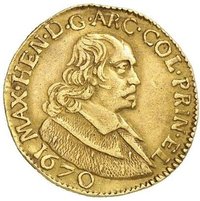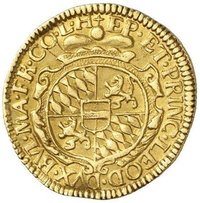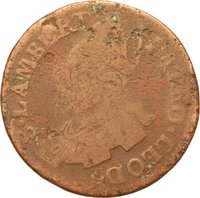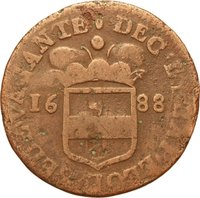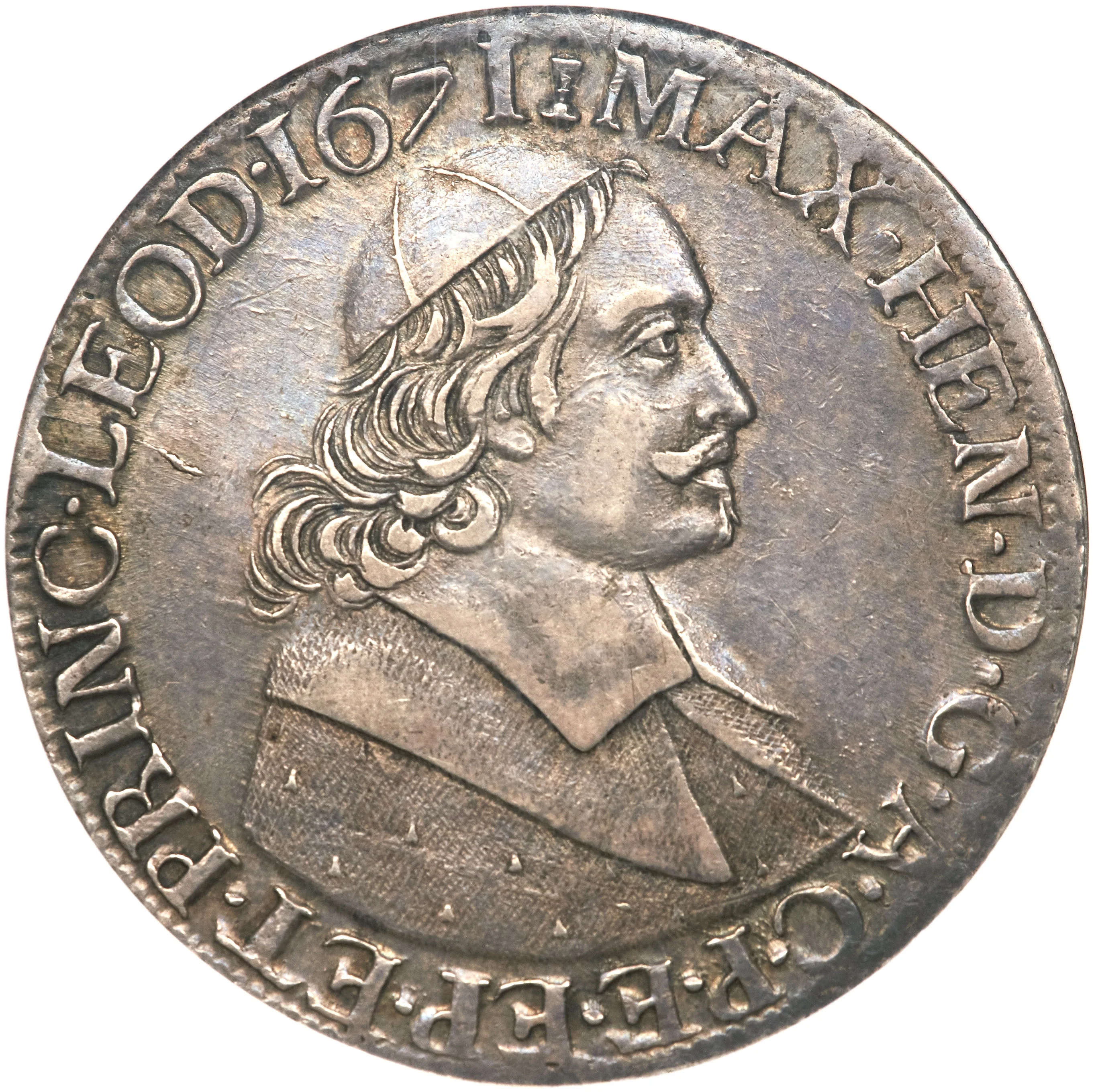
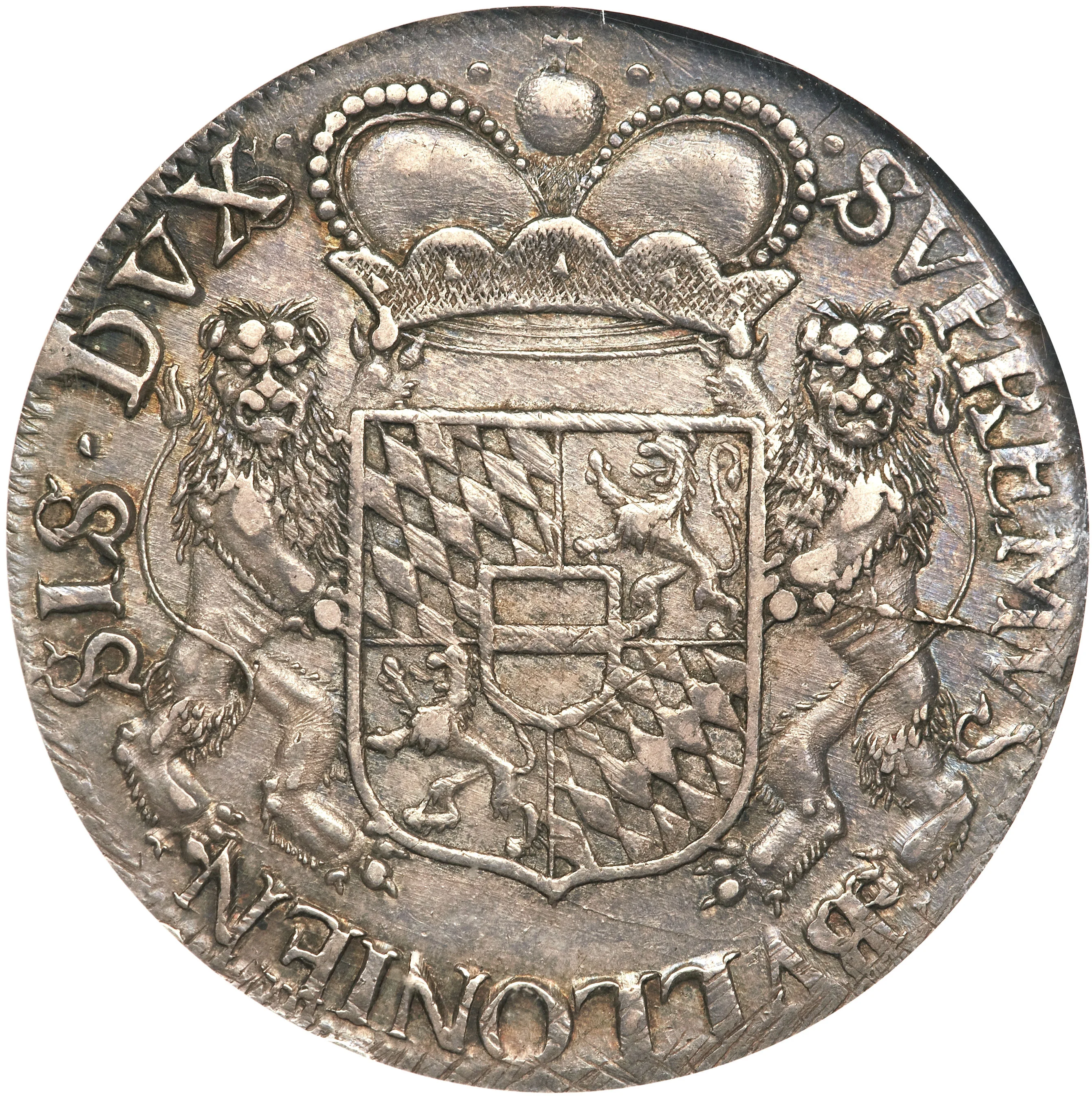
In 1666, the Prince-Bishopric of Liège found itself in a complex and deteriorating monetary situation, typical of the fragmented Holy Roman Empire. The principality did not possess a unified, authoritative coinage system. Instead, a multitude of coins circulated, including those officially minted by the bishop-prince in Liège and in the subsidiary mint of Bouillon, but also a flood of foreign currencies from neighboring states like the Spanish Netherlands, the Dutch Republic, and France. This proliferation led to chronic confusion over exchange rates and values, as the intrinsic metal content (especially silver) of coins varied widely, encouraging clipping, counterfeiting, and the hoarding of good-quality money.
The core problem was a severe debasement of the coinage. Faced with pressing financial needs, particularly to fund military obligations and court expenses, Bishop-Prince Maximilian Henry of Bavaria (ruled 1650-1688) and his predecessors had repeatedly reduced the silver content in newly minted coins. This practice, while providing short-term revenue, triggered Gresham's Law ("bad money drives out good money"), causing older, higher-value coins to disappear from circulation. The resulting reliance on inferior coinage eroded public trust, disrupted commerce, and provoked inflation, as merchants raised prices to compensate for the uncertain value of the payment they received.
Consequently, 1666 fell within a period of ongoing monetary instability and attempted reforms. The authorities issued ordinances to fix exchange rates and forbid the circulation of certain foreign coins, but these measures were largely ineffective against market forces and widespread illicit practices. The situation created significant social tension, burdening the poor and complicating trade for merchants, while the bishopric's government struggled to assert control over its own monetary sovereignty. This cycle of debasement and failed regulation would persist until more structural reforms were attempted later in the century.