

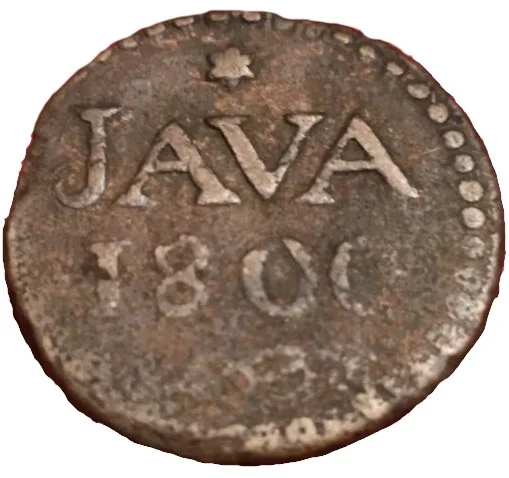
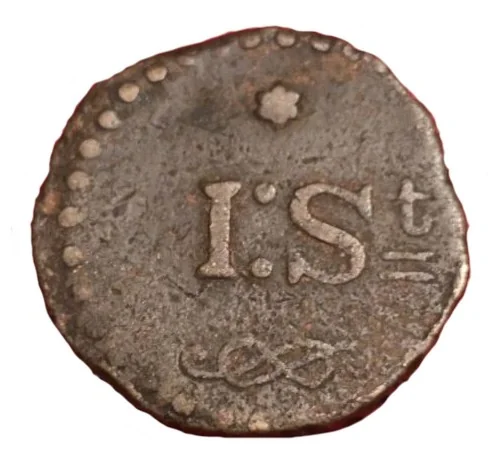
1 stuiver – Java
Add to wishlist
Indonesia
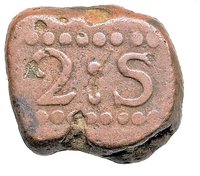
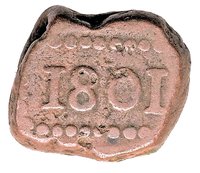
Obverse
Description:
[Country], [Date]
Inscription:
*
JAVA
1800
JAVA
1800
Reverse
Description:
Denomination
Inscription:
*
1 St
1 St
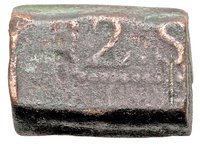
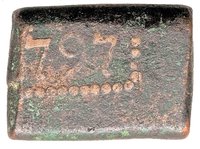
Edge
Mintings
| Year | Mint Mark | Mintage | Quality | Collection |
|---|---|---|---|---|
| 1799 | — | — | ||
| 1800 | — | — |
Historical background
In 1799, Java was under the administrative control of the Dutch East India Company (VOC), but the company was in a state of terminal collapse, having been nationalized by the Dutch state in 1796 due to bankruptcy. The currency situation on the island was consequently chaotic and multifaceted, reflecting the VOC's financial decay and the geopolitical turmoil of the Napoleonic Wars. The primary official currency was the Dutch guilder, but severe shortages of minted coinage were endemic. To fill this void, a bewildering array of physical currencies circulated simultaneously, including Spanish American silver pesos (popularly called "Spanish dollars" or "pieces of eight"), Japanese koban gold coins, and various local copper doits. The VOC also heavily relied on paper money, issuing negotiable credit notes (kreditbrieven) and promissory bonds, but these instruments were plagued by depreciation and a severe lack of public confidence.
This monetary jumble was exacerbated by the British naval blockade, which began in earnest in 1795, severing Java from the Netherlands and drastically reducing the inflow of specie from Europe. As the VOC's solvency evaporated, its paper issues became virtually worthless, leading to widespread hoarding of silver and gold coins by both merchants and the public. In daily trade, barter became increasingly common, and local Javanese rulers often reverted to using rice or other commodities as a de facto standard of value. The financial system was thus characterized by a stark disconnect: official accounts were kept in the rapidly depreciating VOC guilder, while real commerce depended on a patchwork of foreign and commodity monies.
The situation reached a critical point in 1799, the very year the VOC's charter was finally allowed to lapse and its possessions formally transferred to the Dutch Batavian Republic. However, with the home republic itself a French client state and unable to exert effective control, Java drifted into a period of administrative and financial limbo. This currency crisis created a vacuum that would soon be filled; within a decade, the British under Stamford Raffles would occupy Java (1811-1816) and implement a major currency reform centered on the silver dollar, attempting to impose order on the monetary anarchy they inherited from the fallen VOC.
This monetary jumble was exacerbated by the British naval blockade, which began in earnest in 1795, severing Java from the Netherlands and drastically reducing the inflow of specie from Europe. As the VOC's solvency evaporated, its paper issues became virtually worthless, leading to widespread hoarding of silver and gold coins by both merchants and the public. In daily trade, barter became increasingly common, and local Javanese rulers often reverted to using rice or other commodities as a de facto standard of value. The financial system was thus characterized by a stark disconnect: official accounts were kept in the rapidly depreciating VOC guilder, while real commerce depended on a patchwork of foreign and commodity monies.
The situation reached a critical point in 1799, the very year the VOC's charter was finally allowed to lapse and its possessions formally transferred to the Dutch Batavian Republic. However, with the home republic itself a French client state and unable to exert effective control, Java drifted into a period of administrative and financial limbo. This currency crisis created a vacuum that would soon be filled; within a decade, the British under Stamford Raffles would occupy Java (1811-1816) and implement a major currency reform centered on the silver dollar, attempting to impose order on the monetary anarchy they inherited from the fallen VOC.
💎 Extremely Rare