

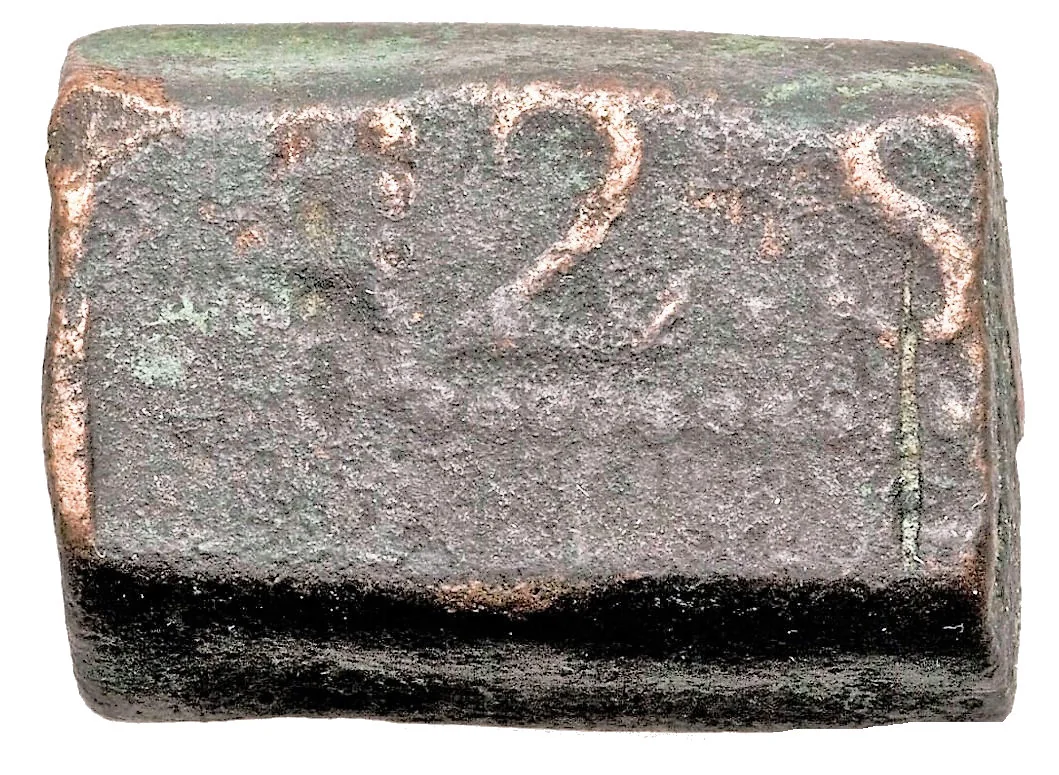
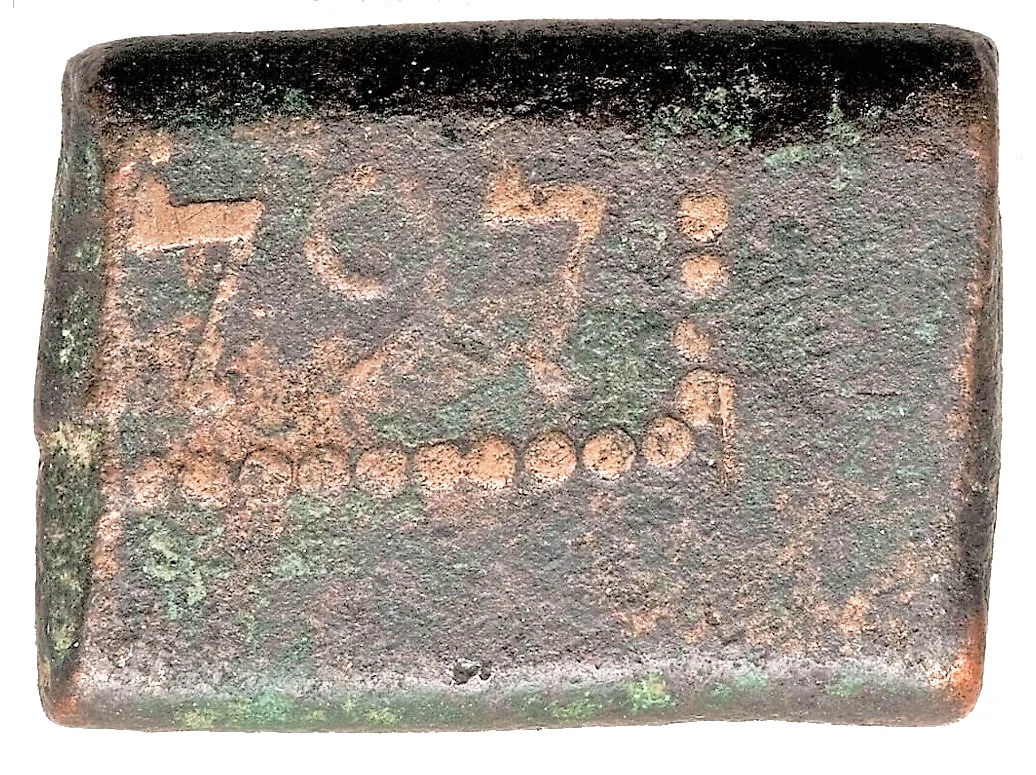
2 stuivers – Java
Add to wishlist
Indonesia
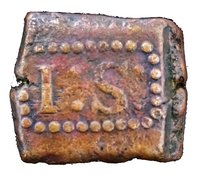
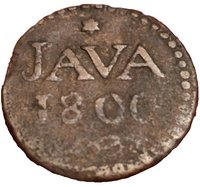
Obverse
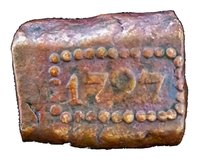
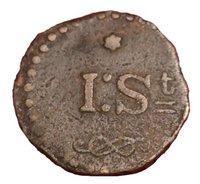
Reverse
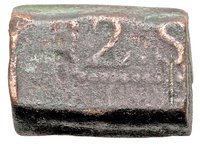
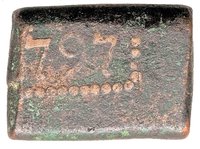
Edge
Mintings
| Year | Mint Mark | Mintage | Quality | Collection |
|---|---|---|---|---|
| 1796 | — | — | ||
| 1797 | — | — | ||
| 1798 | — | — | ||
| 1799 | — | — |
Historical background
In 1796, Java was under the administrative control of the Dutch East India Company (VOC), though the company was in a state of advanced decay and would be formally dissolved by the Dutch state just three years later. The currency situation on the island was profoundly complex and fragmented, reflecting both the VOC's mismanagement and Java's role as a multi-layered economic hub. The official system was nominally based on the Dutch guilder, but the actual circulating medium was a bewildering array of physical coins from across the globe. Spanish American silver pesos (often called "pieces of eight"), Mexican reals, Indian rupees, and Chinese copper cash coins all circulated simultaneously, their values fluctuating against each other and the official ledger based on weight, metallic purity, and local demand.
This monetary chaos was exacerbated by a severe shortage of small change for everyday transactions, leading to the widespread practice of cutting silver coins into fractional pieces. Furthermore, the VOC itself contributed to the instability by issuing paper credit notes, known as kreditiefbrieven, to pay its obligations. These notes often traded at a steep discount to their face value due to a lack of public confidence in the company's solvency. In essence, the monetary system was a dysfunctional patchwork of foreign specie, physically mutilated coinage, and depreciating company paper, creating a significant obstacle to both local commerce and the VOC's own attempts to extract revenue.
Beneath this European-imposed layer, traditional Javanese economies in the interior vorstenlanden (princely states) and villages often operated on different principles, utilizing rice or other commodities as a de facto currency for tax payments and local trade. The year 1796 thus represents a pivotal moment of monetary dysfunction on the eve of major political change. The impending collapse of the VOC and the subsequent British interregnum (1811-1816) would force a more direct confrontation with this chaotic currency legacy, setting the stage for the unified silver standard later implemented under the returning Dutch colonial state in the 19th century.
This monetary chaos was exacerbated by a severe shortage of small change for everyday transactions, leading to the widespread practice of cutting silver coins into fractional pieces. Furthermore, the VOC itself contributed to the instability by issuing paper credit notes, known as kreditiefbrieven, to pay its obligations. These notes often traded at a steep discount to their face value due to a lack of public confidence in the company's solvency. In essence, the monetary system was a dysfunctional patchwork of foreign specie, physically mutilated coinage, and depreciating company paper, creating a significant obstacle to both local commerce and the VOC's own attempts to extract revenue.
Beneath this European-imposed layer, traditional Javanese economies in the interior vorstenlanden (princely states) and villages often operated on different principles, utilizing rice or other commodities as a de facto currency for tax payments and local trade. The year 1796 thus represents a pivotal moment of monetary dysfunction on the eve of major political change. The impending collapse of the VOC and the subsequent British interregnum (1811-1816) would force a more direct confrontation with this chaotic currency legacy, setting the stage for the unified silver standard later implemented under the returning Dutch colonial state in the 19th century.
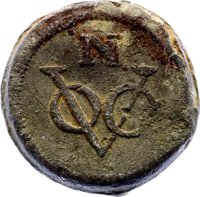
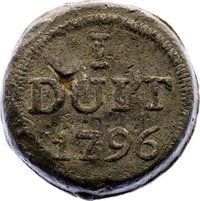
💎 Extremely Rare