

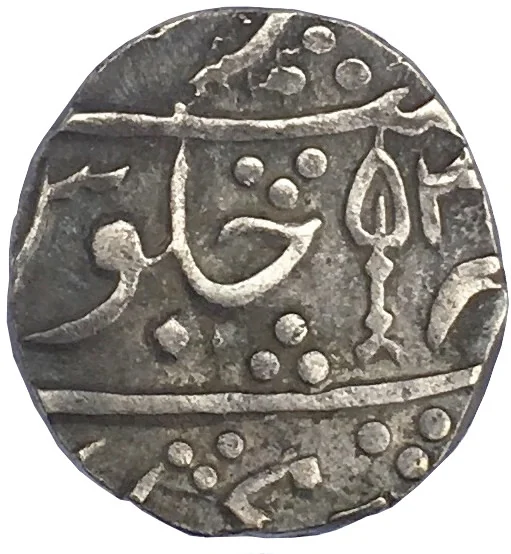
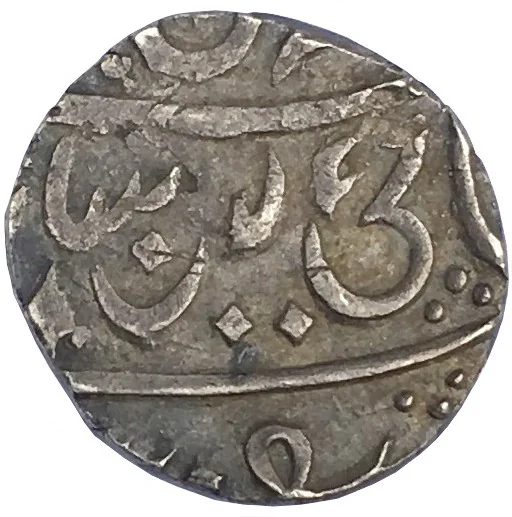
1 rupee – Maratha Empire
Add to wishlist
India
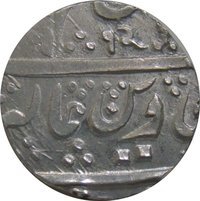
Obverse
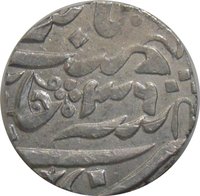
Reverse
Edge
Plain
Mintings
| Year | Mint Mark | Mintage | Quality | Collection |
|---|---|---|---|---|
| 1790 | — | — |
Historical background
By 1790, the Maratha Empire's currency system reflected its complex political structure, being decentralized yet interconnected. The supreme authority, the Peshwa in Pune, minted the primary silver rupee, known as the Hali Sicca, which served as the standard coin for major state transactions and tribute. However, the powerful Sardars (chieftains) like the Holkars, Scindias, and Bhonsles of Nagpur also exercised the right of coinage (sanad) within their own territories. This resulted in a variety of circulating rupees—Indore, Gwalior, and Nagpur rupees—each with slight variations in weight and purity, though they were generally valued against the Peshwa's standard.
The economy operated on a bimetallic system, with silver rupees for large trade and revenue, and copper coins (paisa, daboo) for everyday local transactions. A significant challenge was the chronic shortage of precious metals, particularly silver, which was heavily reliant on imports from European trade and war booty. This scarcity often led to the debasement of coinage, especially by regional mints seeking profit, causing fluctuations in exchange rates and complicating inter-regional trade. Furthermore, older Mughal rupees and coins from neighboring states like Hyderabad also circulated, adding to the monetary diversity.
This fragmented system became a growing economic vulnerability as the empire faced immense external pressure. The decade of the 1790s was one of existential conflict, marked by the Third Anglo-Maratha War (though the major war would come later, tensions were high) and internal rivalry. The enormous costs of warfare drained the treasury, forcing leaders to extract more revenue from the peasantry and rely on unpredictable tributes. The lack of a uniform, centrally controlled currency hampered the efficient mobilization of resources at a critical time, weakening the fiscal foundation of the empire just as it was confronting the disciplined financial and military machinery of the British East India Company.
The economy operated on a bimetallic system, with silver rupees for large trade and revenue, and copper coins (paisa, daboo) for everyday local transactions. A significant challenge was the chronic shortage of precious metals, particularly silver, which was heavily reliant on imports from European trade and war booty. This scarcity often led to the debasement of coinage, especially by regional mints seeking profit, causing fluctuations in exchange rates and complicating inter-regional trade. Furthermore, older Mughal rupees and coins from neighboring states like Hyderabad also circulated, adding to the monetary diversity.
This fragmented system became a growing economic vulnerability as the empire faced immense external pressure. The decade of the 1790s was one of existential conflict, marked by the Third Anglo-Maratha War (though the major war would come later, tensions were high) and internal rivalry. The enormous costs of warfare drained the treasury, forcing leaders to extract more revenue from the peasantry and rely on unpredictable tributes. The lack of a uniform, centrally controlled currency hampered the efficient mobilization of resources at a critical time, weakening the fiscal foundation of the empire just as it was confronting the disciplined financial and military machinery of the British East India Company.
✨ Legendary