

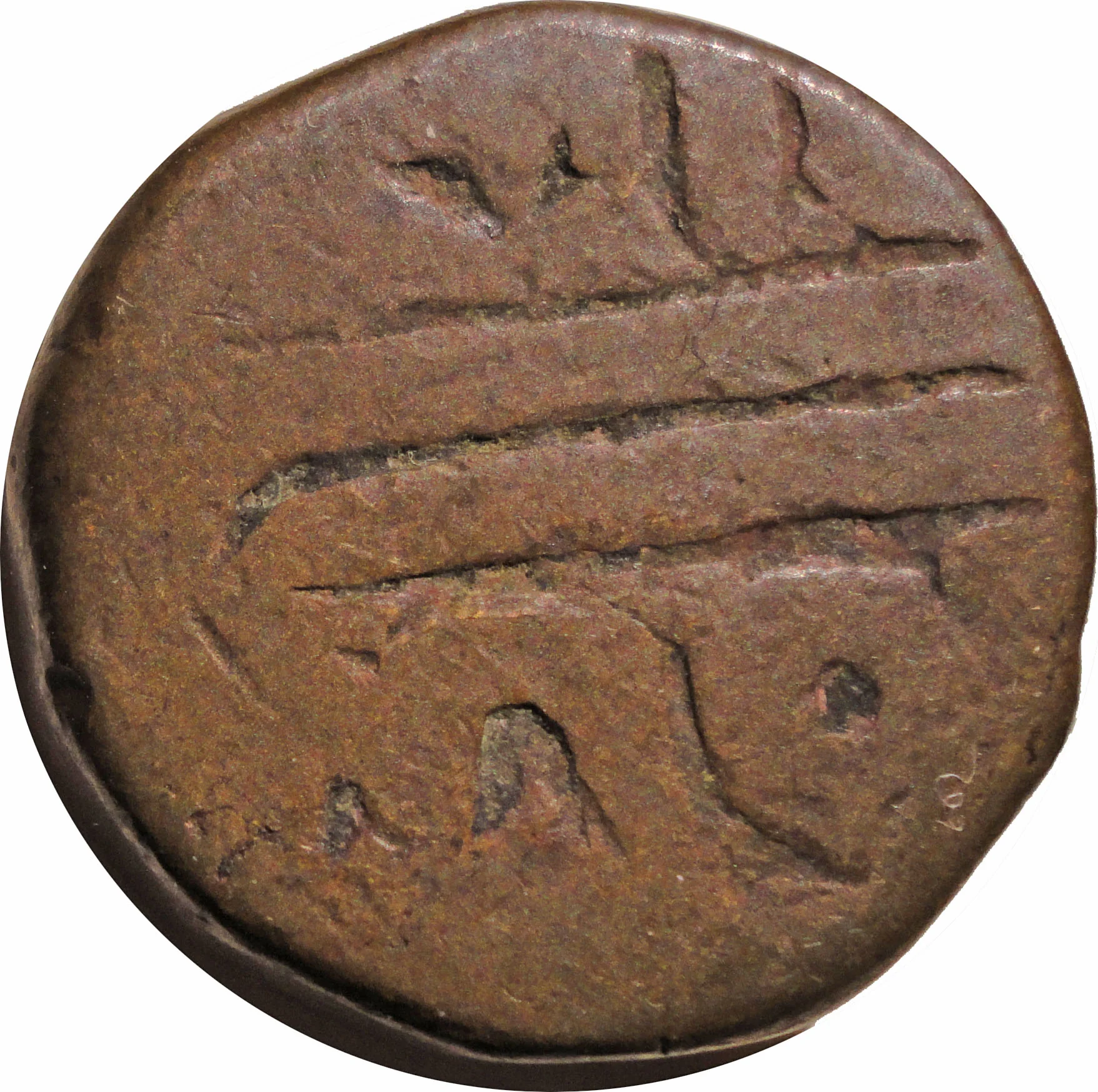
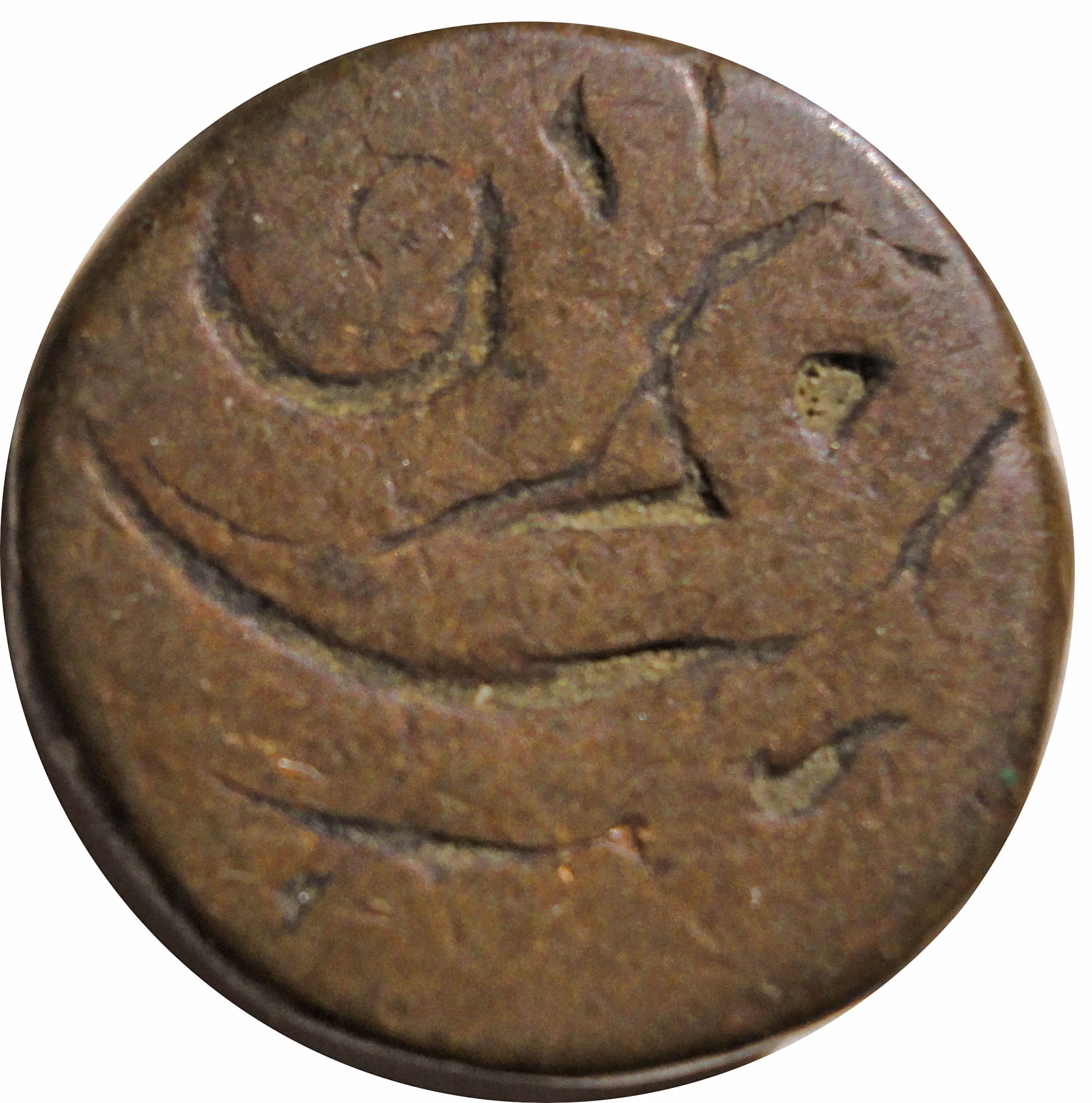
2 Paisa – Maratha Empire
India

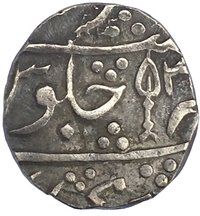
Obverse
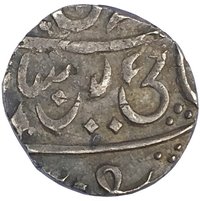
Reverse
Edge
Plain
Mintings
| Year | Mint Mark | Mintage | Quality | Collection |
|---|---|---|---|---|
| — | — | — |
Historical background
By 1788, the Maratha Empire, under the nominal leadership of the young Peshwa Sawai Madhavrao, was a confederacy where power was increasingly decentralised among powerful chiefs like Mahadji Shinde in the north and the Holkars and Bhonsles of Nagpur. This political fragmentation was mirrored in the monetary system. There was no single, standardised currency issued by a central authority. Instead, the right of coinage (sikkā) was exercised by multiple entities: the Peshwa's government in Pune, various Maratha sardars in their own territories, and even by major banking firms (shroffs) under grant. This resulted in a complex mosaic of circulating coins, primarily silver rupees, but also gold mohurs and copper paisas, each bearing different designs, weights, and intrinsic values depending on their mint of origin.
The most prevalent silver rupees were those minted in the name of the Mughal Emperor Shah Alam II, whose suzerainty was still acknowledged on coinage even as political reality had shifted. These included coins from northern mints controlled by Mahadji Shinde, such as the "Khazana" rupee of Gwalior. In the Deccan heartland, the Peshwa's own "Ankushi" rupee (marked with an elephant goad) was prominent, alongside older issues like the "Chandori" rupee. The system functioned through a network of shroffs who assessed the true value of each coin based on its weight, purity, and mint reputation, applying a discount or premium accordingly. This created a perpetual need for money-changing and complicated revenue collection and trade.
The currency situation in 1788 was therefore one of managed complexity, but it was under growing strain. The immense cost of continuous warfare—particularly funding Mahadji Shinde's large army in the aftermath of the Panipat disaster and ongoing conflicts—led to debasement in some areas to increase short-term revenue. Furthermore, the influx of European colonial powers, especially the British East India Company with its own standardized rupees, began to introduce a competing and more uniform monetary system at the periphery. Thus, while the Maratha economy still operated on a traditional and functional multi-currency basis, the lack of central fiscal control reflected the empire's political disunity and left it vulnerable to the rising financial hegemony of the Company.
The most prevalent silver rupees were those minted in the name of the Mughal Emperor Shah Alam II, whose suzerainty was still acknowledged on coinage even as political reality had shifted. These included coins from northern mints controlled by Mahadji Shinde, such as the "Khazana" rupee of Gwalior. In the Deccan heartland, the Peshwa's own "Ankushi" rupee (marked with an elephant goad) was prominent, alongside older issues like the "Chandori" rupee. The system functioned through a network of shroffs who assessed the true value of each coin based on its weight, purity, and mint reputation, applying a discount or premium accordingly. This created a perpetual need for money-changing and complicated revenue collection and trade.
The currency situation in 1788 was therefore one of managed complexity, but it was under growing strain. The immense cost of continuous warfare—particularly funding Mahadji Shinde's large army in the aftermath of the Panipat disaster and ongoing conflicts—led to debasement in some areas to increase short-term revenue. Furthermore, the influx of European colonial powers, especially the British East India Company with its own standardized rupees, began to introduce a competing and more uniform monetary system at the periphery. Thus, while the Maratha economy still operated on a traditional and functional multi-currency basis, the lack of central fiscal control reflected the empire's political disunity and left it vulnerable to the rising financial hegemony of the Company.
💎 Very Rare