

1 Dirham – Ottoman Empire
Turkey
Context
Year: 1603
Islamic (Hijri) Year: 1011
Country: Turkey 
Issuer: Ottoman Empire
Currency:
(1327—1687)
Demonetized: Yes
Material
References
KM: #Click to copy to clipboard6
Numista: #165681
Value
Bullion value: $5.44
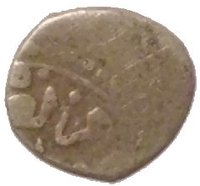
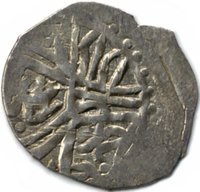
Obverse
Description:
Toughra
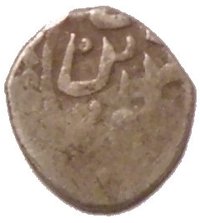
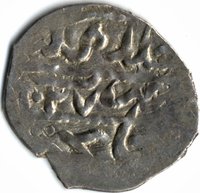
Reverse
Description:
Mint
Inscription:
رزان
Edge
Mints
| Name | Mark |
|---|---|
| Revan | — |
Mintings
| Year | Mint Mark | Mintage | Quality | Collection |
|---|---|---|---|---|
| 1603 | — | — |
Historical background
In 1603, the Ottoman Empire was grappling with a severe and protracted currency crisis, often termed the "Great Debasement." This period, which began in the late 16th century, was characterized by the drastic reduction of the silver content in the primary coin, the akçe. Driven by the immense costs of prolonged wars on both the Persian and Habsburg fronts, as well as fiscal shortfalls and the disruptive inflow of cheap American silver into global markets, the state repeatedly resorted to minting heavily debased coinage to meet its military payroll and obligations. The silver content of the akçe, which had been relatively stable for centuries, plummeted, leading to rampant inflation, a loss of confidence in the currency, and widespread economic turmoil.
The consequences were deeply destabilizing. Soldiers, particularly the pivotal Janissary corps, were paid in devalued akçe, sparking frequent mutinies and unrest in Constantinople and the provinces. This monetary instability eroded the traditional timar land-grant system, as fixed tax revenues collected in debased coin lost their real value, undermining the sipahi cavalry and the central government's provincial control. Furthermore, the disparity between the official and market value of coins encouraged widespread speculation, counterfeiting, and hoarding of older, purer coins, which further distorted markets and crippled commercial transactions.
Sultan Mehmed III and his Grand Vizier Yavuz Ali Pasha, who died in 1603, had attempted reforms, but these were largely ineffective. The crisis peaked under the young Sultan Ahmed I, who ascended the throne that same year. The profound monetary instability of 1603 was therefore not just a financial issue but a symptom of deeper structural strains, signaling the empire's challenging transition from a period of expansive conquest to one of internal consolidation and fiscal adaptation in a changing global economic system.
The consequences were deeply destabilizing. Soldiers, particularly the pivotal Janissary corps, were paid in devalued akçe, sparking frequent mutinies and unrest in Constantinople and the provinces. This monetary instability eroded the traditional timar land-grant system, as fixed tax revenues collected in debased coin lost their real value, undermining the sipahi cavalry and the central government's provincial control. Furthermore, the disparity between the official and market value of coins encouraged widespread speculation, counterfeiting, and hoarding of older, purer coins, which further distorted markets and crippled commercial transactions.
Sultan Mehmed III and his Grand Vizier Yavuz Ali Pasha, who died in 1603, had attempted reforms, but these were largely ineffective. The crisis peaked under the young Sultan Ahmed I, who ascended the throne that same year. The profound monetary instability of 1603 was therefore not just a financial issue but a symptom of deeper structural strains, signaling the empire's challenging transition from a period of expansive conquest to one of internal consolidation and fiscal adaptation in a changing global economic system.
✨ Legendary