

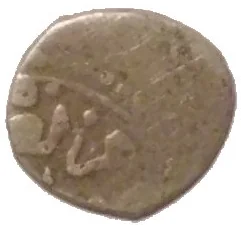
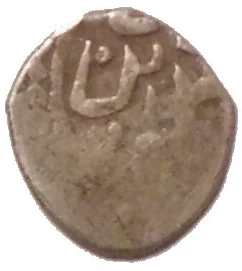
1 Akce – Ottoman Empire
Turkey
Context
Year: 1595
Islamic (Hijri) Year: 1003
Country: Turkey 
Issuer: Ottoman Empire
Ruler: Mehmed III
Currency:
(1327—1687)
Demonetized: Yes
Material
Diameter: 12 mm
Weight: 0.32 g
Silver weight: 0.32 g
Shape: Irregular round
Composition: Silver
Magnetic: No
References
KM: #Click to copy to clipboard6
Numista: #41766
Value
Bullion value: $0.91
Mintings
| Year | Mint Mark | Mintage | Quality | Collection |
|---|---|---|---|---|
| 1595 | — | — |
Historical background
In 1595, the Ottoman Empire was grappling with a severe and protracted currency crisis, a direct consequence of the "Price Revolution" sweeping Europe. The massive influx of silver from Spanish mines in the New World was devaluing silver-based currencies globally. The Ottoman akçe, a small silver coin that had been the stable backbone of the economy for centuries, was particularly vulnerable. As its silver content was diluted by foreign coins and counterfeit issues, its value plummeted, triggering rampant inflation, social unrest, and a crisis of confidence in the state's monetary authority.
This devaluation was exacerbated by internal fiscal pressures, primarily the immense cost of the Long Turkish War (1593-1606) against the Habsburgs. The empire's traditional timar system, which paid soldiers and administrators through land grants, was increasingly being replaced with cash salaries to support a growing professional army, requiring vast amounts of specie. To meet these wartime expenses, the imperial treasury repeatedly engaged in tağşiş—the debasement of coinage by reducing the silver content of the akçe. Each debasement provided short-term liquidity but further accelerated inflation, creating a vicious cycle that eroded fixed salaries, particularly those of the elite Janissary corps and state bureaucrats.
Consequently, the economic landscape was one of profound instability. Prices for basic goods soared, leading to frequent rebellions and janissary mutinies over pay. The government attempted price controls (narh) with little success, while the traditional silver-based economy clashed with the influx of cheaper foreign silver and the growing use of gold sultani coins for large transactions. Thus, in 1595, the Ottoman state was caught in a precarious position, its fiscal and monetary systems straining under the combined weight of global economic forces, expensive modern warfare, and internal decay, marking a significant financial weakening of the central state.
This devaluation was exacerbated by internal fiscal pressures, primarily the immense cost of the Long Turkish War (1593-1606) against the Habsburgs. The empire's traditional timar system, which paid soldiers and administrators through land grants, was increasingly being replaced with cash salaries to support a growing professional army, requiring vast amounts of specie. To meet these wartime expenses, the imperial treasury repeatedly engaged in tağşiş—the debasement of coinage by reducing the silver content of the akçe. Each debasement provided short-term liquidity but further accelerated inflation, creating a vicious cycle that eroded fixed salaries, particularly those of the elite Janissary corps and state bureaucrats.
Consequently, the economic landscape was one of profound instability. Prices for basic goods soared, leading to frequent rebellions and janissary mutinies over pay. The government attempted price controls (narh) with little success, while the traditional silver-based economy clashed with the influx of cheaper foreign silver and the growing use of gold sultani coins for large transactions. Thus, in 1595, the Ottoman state was caught in a precarious position, its fiscal and monetary systems straining under the combined weight of global economic forces, expensive modern warfare, and internal decay, marking a significant financial weakening of the central state.
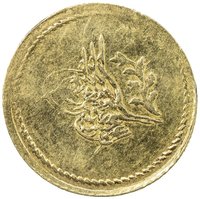
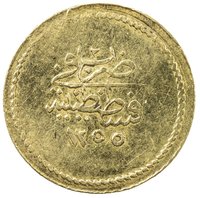

💎 Extremely Rare