

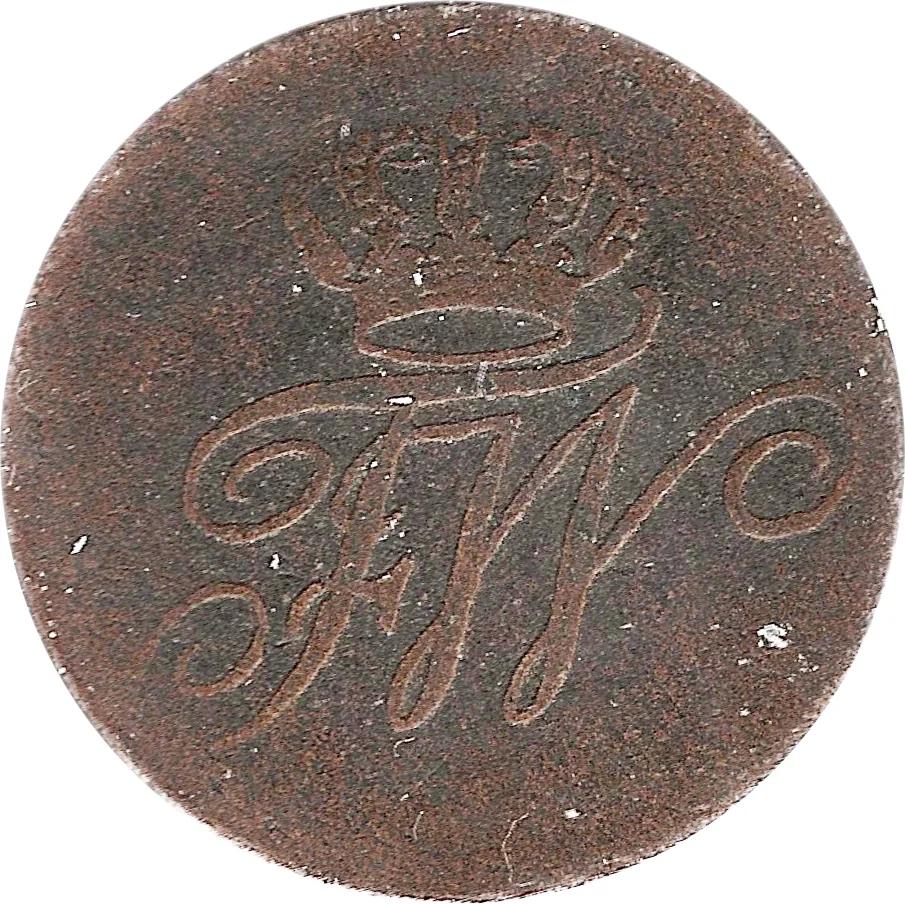
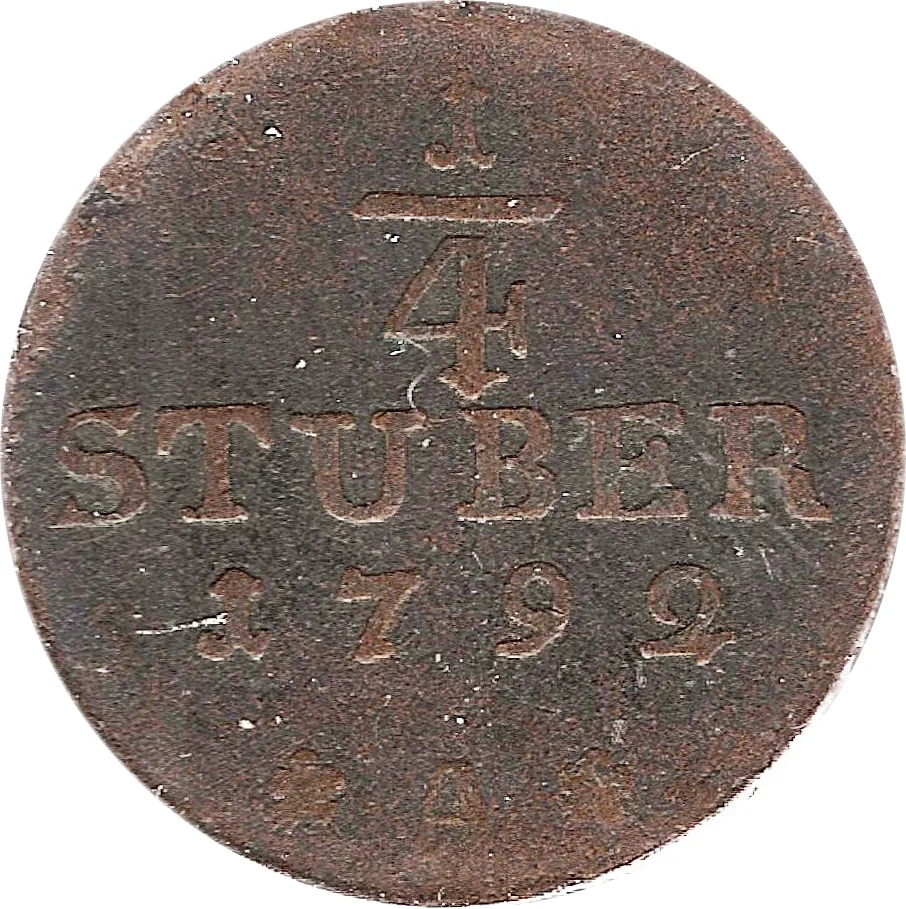
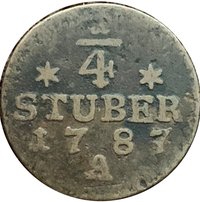
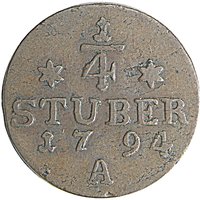
¼ stüber – East Frisia
Add to wishlist
Germany
Context
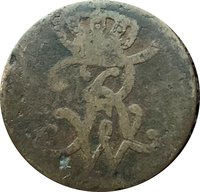
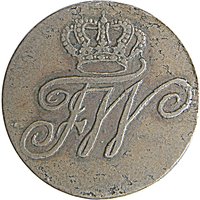
Year: 1792
Country: Germany
Issuer: East Frisia
Ruler: Frederick William II
Currency:
Demonetized: Yes
Total mintage: 120,000
Material
References
KM: #
Numista: #16276
Mints
| Name | Mark |
|---|---|
| Berlin | A |
Mintings
| Year | Mint Mark | Mintage | Quality | Collection |
|---|---|---|---|---|
| 1792 | A | 120,000 |
Historical background
In 1792, East Frisia existed in a state of political and monetary limbo, which was directly reflected in its complex currency situation. The region was a semi-autonomous county within the Holy Roman Empire, but since 1744 it had been under the administrative control of the Kingdom of Prussia following the extinction of its local ruling dynasty. This created a layered system where Prussian authority coexisted with lingering local institutions and economic ties, particularly to the neighbouring Dutch Republic. Consequently, the monetary landscape was not unified but a crowded mosaic of multiple circulating coins.
The primary circulating currency was the Reichsthaler, the standard silver coin of the Empire, divided into 288 Pfennig. However, daily accounting and smaller transactions were overwhelmingly conducted in the Frisian Thaler (Friesenthaler), a notional unit of account valued at 72 Grote. This system was a legacy of the region's historic trade and cultural links to the Netherlands, as the Grote was tied to the Dutch Stuiver. Alongside these, actual physical coins in circulation included not only Prussian Reichsthalers but also Dutch Ducats, Dutch Gulden, and a variety of older regional German coins from neighbouring states, each with fluctuating exchange rates.
This multiplicity created significant confusion and opportunity for arbitrage. The Prussian administration, seeking to impose order and integrate East Frisia into its fiscal sphere, had begun to standardize the coinage towards the Prussian system. However, in 1792, this process was incomplete. The coexistence of Prussian imperial ambitions, local Frisian accounting practices, and the pervasive physical presence of Dutch currency made everyday commerce a complicated affair, requiring merchants and officials to constantly consult exchange rate bulletins. This fragmented monetary environment mirrored East Frisia's own transitional political status on the eve of the revolutionary wars that would soon reshape all of Europe.
The primary circulating currency was the Reichsthaler, the standard silver coin of the Empire, divided into 288 Pfennig. However, daily accounting and smaller transactions were overwhelmingly conducted in the Frisian Thaler (Friesenthaler), a notional unit of account valued at 72 Grote. This system was a legacy of the region's historic trade and cultural links to the Netherlands, as the Grote was tied to the Dutch Stuiver. Alongside these, actual physical coins in circulation included not only Prussian Reichsthalers but also Dutch Ducats, Dutch Gulden, and a variety of older regional German coins from neighbouring states, each with fluctuating exchange rates.
This multiplicity created significant confusion and opportunity for arbitrage. The Prussian administration, seeking to impose order and integrate East Frisia into its fiscal sphere, had begun to standardize the coinage towards the Prussian system. However, in 1792, this process was incomplete. The coexistence of Prussian imperial ambitions, local Frisian accounting practices, and the pervasive physical presence of Dutch currency made everyday commerce a complicated affair, requiring merchants and officials to constantly consult exchange rate bulletins. This fragmented monetary environment mirrored East Frisia's own transitional political status on the eve of the revolutionary wars that would soon reshape all of Europe.
💎 Extremely Rare