

1 Albus – Landgraviate of Hesse-Cassel
Context
Material
References
KM: #Click to copy to clipboard364
Numista: #162570
Value
Bullion value: $4.24
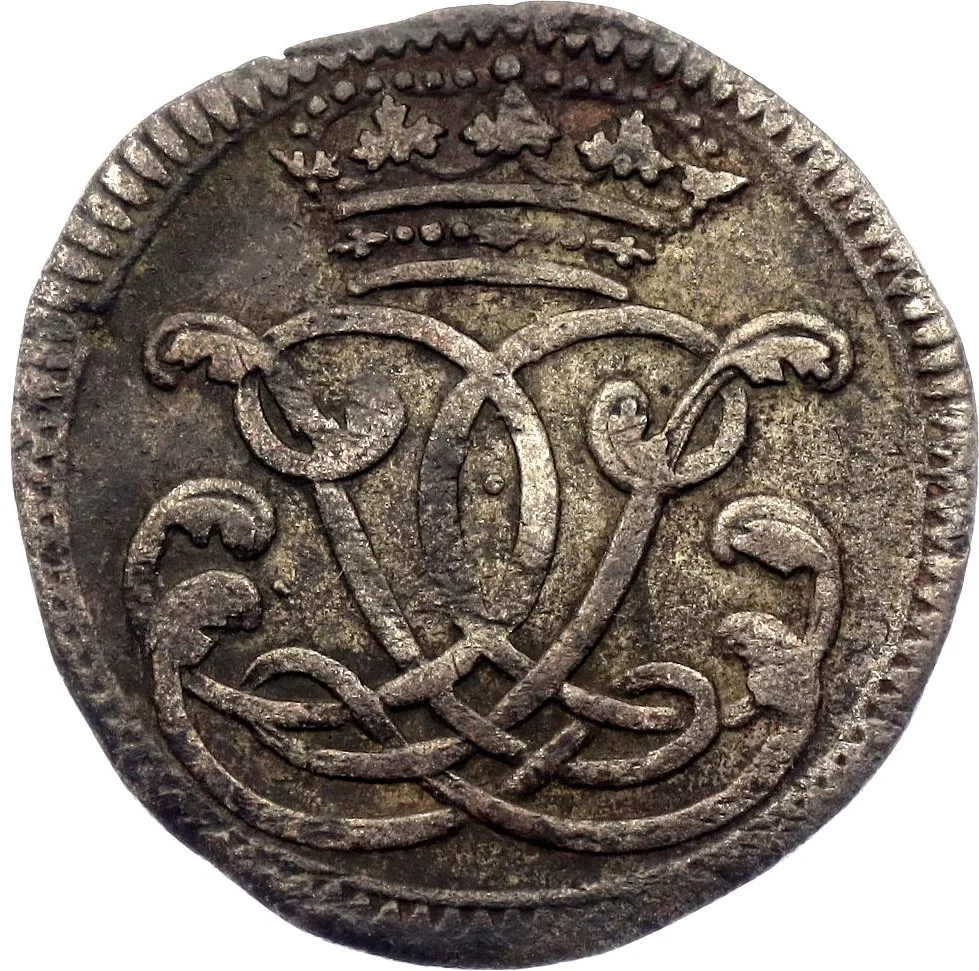
Obverse
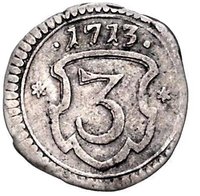
Description:
Crowned initials.
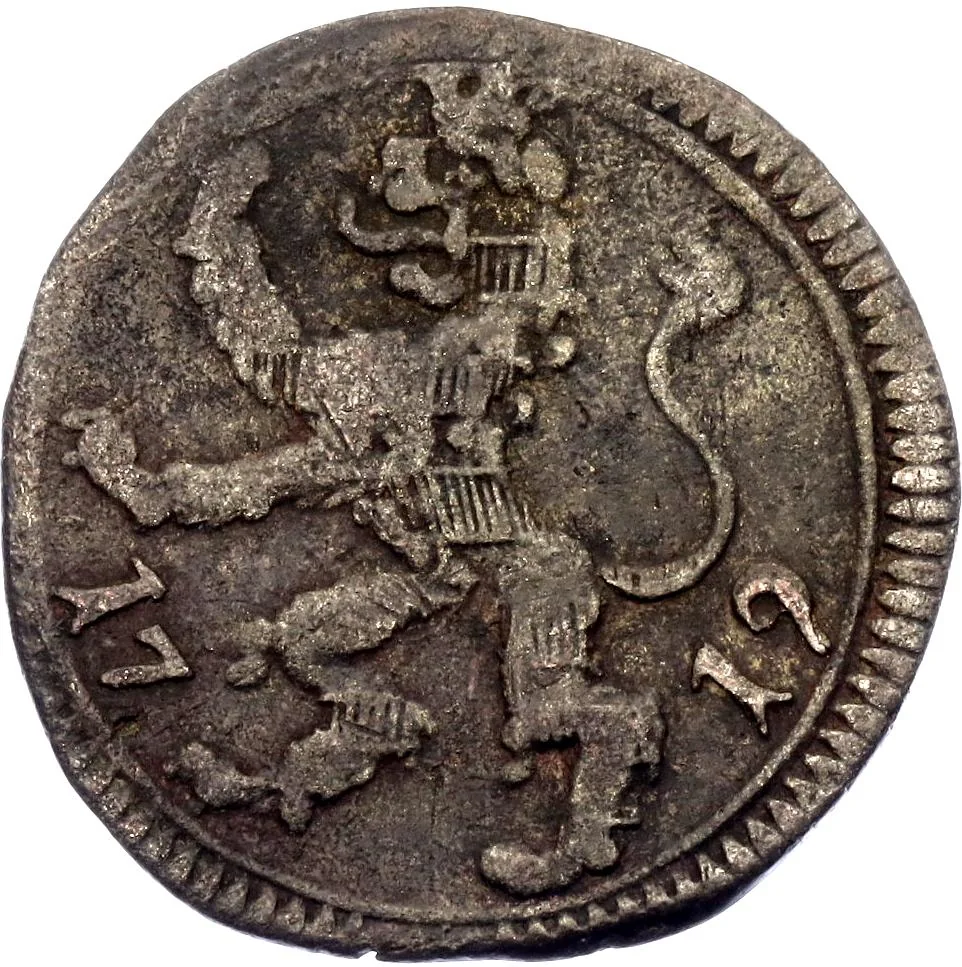
Reverse
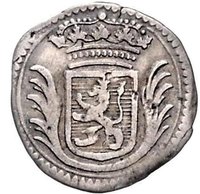
Description:
Crowned lion left, date right.
Inscription:
1721
Edge
Mints
| Name | Mark |
|---|---|
| Kassel | — |
Mintings
| Year | Mint Mark | Mintage | Quality | Collection |
|---|---|---|---|---|
| 1716 | — | — | ||
| 1719 | — | — | ||
| 1720 | — | — | ||
| 1721 | — | — | ||
| 1722 | — | — | ||
| 1723 | — | — |
Historical background
In 1716, the currency situation in the Landgraviate of Hesse-Cassel was one of significant complexity and instability, a legacy of the wider monetary chaos in the Holy Roman Empire. The region operated within a multi-currency system where various silver Taler coins, gold ducats, and smaller denominations circulated alongside each other, but their values were in constant flux. This was due to the practice of individual states frequently debasing their coinage (reducing silver content) to generate short-term revenue, which eroded public trust and disrupted commerce. Hesse-Cassel itself was not immune to these pressures, navigating a landscape where its own currency competed with neighboring states' often inferior coins.
The landgraviate's fiscal position was uniquely influenced by a grim but profitable enterprise: the hiring out of its highly disciplined soldiers as mercenaries to foreign powers, most notably during the recent War of the Spanish Succession (1701-1714). This practice, known as Soldatenhandel, provided a crucial influx of foreign specie (especially high-quality silver), which helped stabilize the treasury but did not fully resolve the underlying monetary disorder. Landgrave Karl, who ruled until 1730, faced the constant challenge of maintaining the integrity of Hesse-Cassel's coinage to facilitate trade and pay state debts, while competing states engaged in devaluation.
Consequently, the monetary environment in 1716 was marked by a tension between relative fiscal strength from military subsidies and the pervasive regional instability. Authorities had to regularly issue Münzedikte (currency ordinances) that set exchange rates for the plethora of circulating coins, attempting to impose order. However, these were often reactive measures. The fundamental problem of a fragmented imperial monetary system persisted, making long-term economic planning difficult and leaving merchants and the populace vulnerable to the frequent devaluations that characterized the early 18th-century German monetary landscape.
The landgraviate's fiscal position was uniquely influenced by a grim but profitable enterprise: the hiring out of its highly disciplined soldiers as mercenaries to foreign powers, most notably during the recent War of the Spanish Succession (1701-1714). This practice, known as Soldatenhandel, provided a crucial influx of foreign specie (especially high-quality silver), which helped stabilize the treasury but did not fully resolve the underlying monetary disorder. Landgrave Karl, who ruled until 1730, faced the constant challenge of maintaining the integrity of Hesse-Cassel's coinage to facilitate trade and pay state debts, while competing states engaged in devaluation.
Consequently, the monetary environment in 1716 was marked by a tension between relative fiscal strength from military subsidies and the pervasive regional instability. Authorities had to regularly issue Münzedikte (currency ordinances) that set exchange rates for the plethora of circulating coins, attempting to impose order. However, these were often reactive measures. The fundamental problem of a fragmented imperial monetary system persisted, making long-term economic planning difficult and leaving merchants and the populace vulnerable to the frequent devaluations that characterized the early 18th-century German monetary landscape.

✨ Legendary