

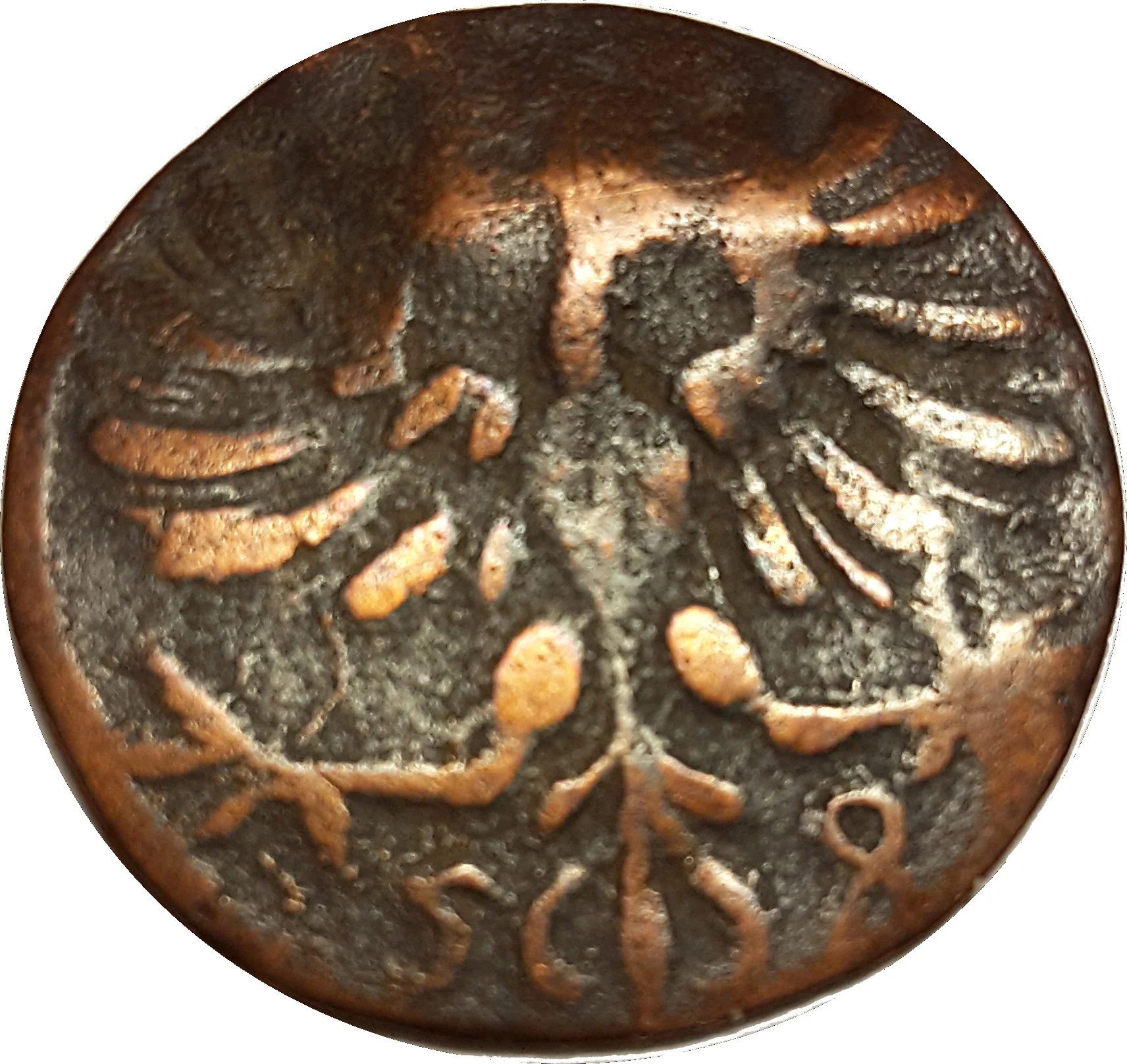

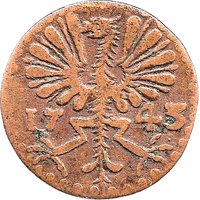
Obverse
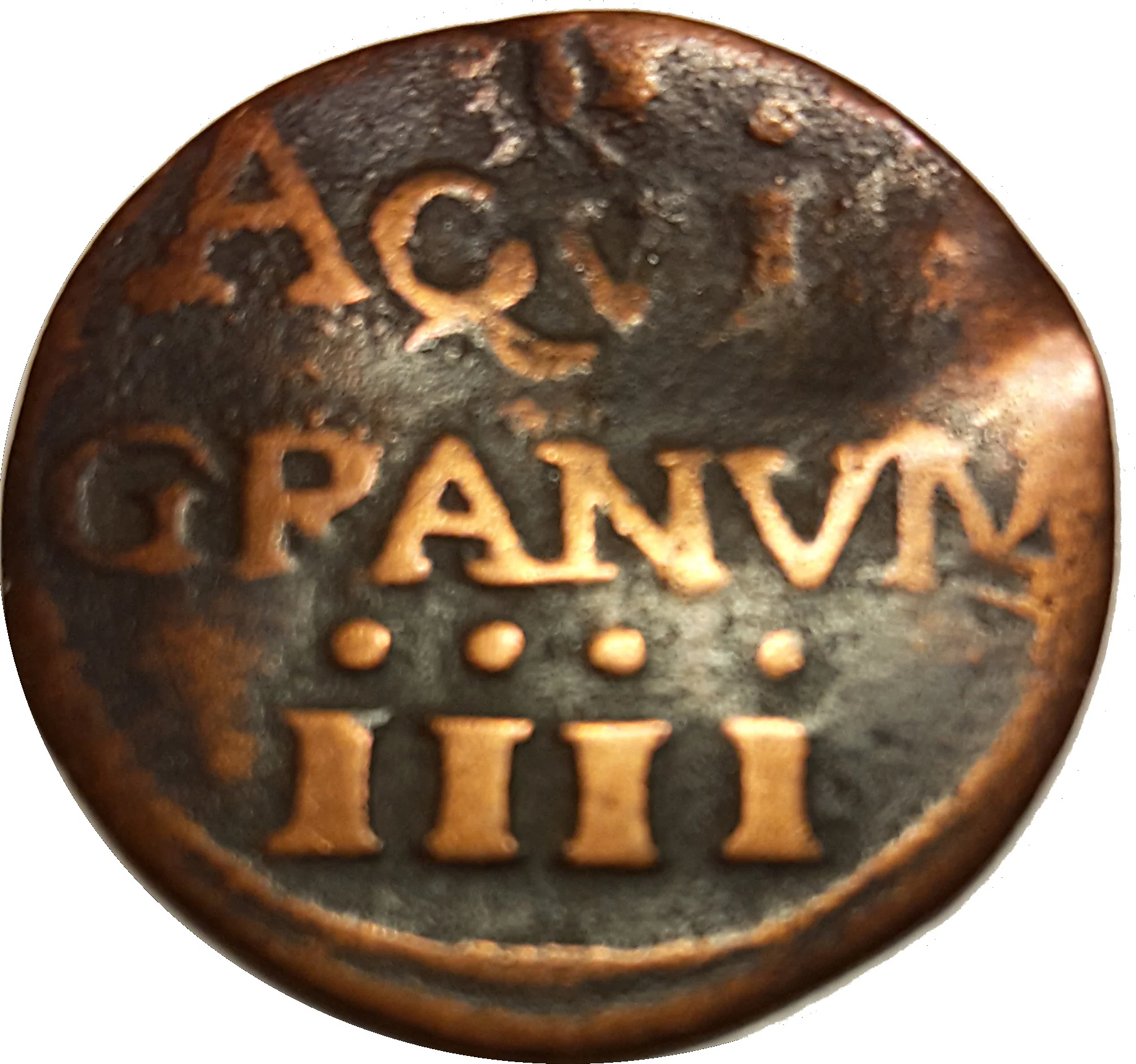
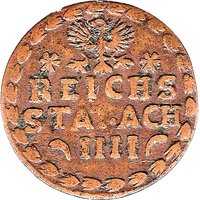
Reverse
Edge
Mintings
| Year | Mint Mark | Mintage | Quality | Collection |
|---|---|---|---|---|
| 1656 | — | — | ||
| 1658 | — | 500,000 |
Historical background
In 1656, the Free Imperial City of Aachen, a historically significant center of trade and pilgrimage within the Holy Roman Empire, navigated a complex and challenging currency environment. Like most of the Empire, it suffered from the consequences of the Kipper- und Wipperzeit, a devastating period of currency debasement earlier in the century that had severely eroded trust in coinage. While the Imperial Minting Ordinance of 1559 had aimed to standardize currency, enforcement was weak, leading to a circulation flooded with hundreds of different coins from neighboring territories, each with varying metallic content and value. Aachen's economy, reliant on its cloth trade and famed brass production, thus depended on constant evaluation and exchange of these disparate coins, a task managed by sworn money changers.
The city’s monetary policy was primarily reactive and defensive. Lacking its own significant minting operation in this period, Aachen’s authorities focused on regulating the coins accepted within its walls. They issued periodic mandates listing the acceptable foreign currencies—such as Reichsthalers, Gulden, and Albus—and their official valuation in local accounting units. This was crucial for municipal finances, market stability, and collecting tolls and taxes. The goal was to shield the local economy from the influx of underweight or debased coins, a persistent problem as neighboring princes often manipulated their currency for profit.
This fragmented system created daily friction for merchants and citizens, requiring expert knowledge to avoid loss. The situation in 1656 was further strained by the lingering economic dislocations of the Thirty Years' War, which had ended just eight years prior. While Aachen had been spared the worst physical destruction, the war had disrupted trade networks and exacerbated monetary chaos across Central Europe. Therefore, the city’s currency situation was one of fragile management, characterized by a constant struggle to maintain a reliable standard of value amidst an empire-wide sea of monetary uncertainty.
The city’s monetary policy was primarily reactive and defensive. Lacking its own significant minting operation in this period, Aachen’s authorities focused on regulating the coins accepted within its walls. They issued periodic mandates listing the acceptable foreign currencies—such as Reichsthalers, Gulden, and Albus—and their official valuation in local accounting units. This was crucial for municipal finances, market stability, and collecting tolls and taxes. The goal was to shield the local economy from the influx of underweight or debased coins, a persistent problem as neighboring princes often manipulated their currency for profit.
This fragmented system created daily friction for merchants and citizens, requiring expert knowledge to avoid loss. The situation in 1656 was further strained by the lingering economic dislocations of the Thirty Years' War, which had ended just eight years prior. While Aachen had been spared the worst physical destruction, the war had disrupted trade networks and exacerbated monetary chaos across Central Europe. Therefore, the city’s currency situation was one of fragile management, characterized by a constant struggle to maintain a reliable standard of value amidst an empire-wide sea of monetary uncertainty.
✨ Legendary