

2 Marks – Aachen
Germany
Context
Years: 1647–1650
Country: Germany 
Issuer: Aachen
Period:
(1166—1798)
Ruler: Ferdinand III
Currency:
(1504—1798)
Demonetized: Yes
Material
References
KM: #Click to copy to clipboard29
Numista: #267403
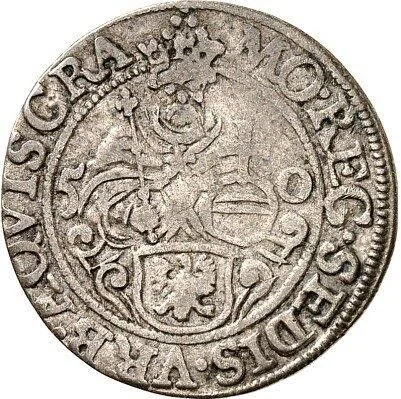
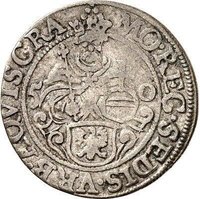
Obverse
Description:
Charlemagne half-figure above arms
Inscription:
MO. REGIÆ. SEDIS. VRBIS. AQVISGRANI
5 0
5 0
Script: Latin
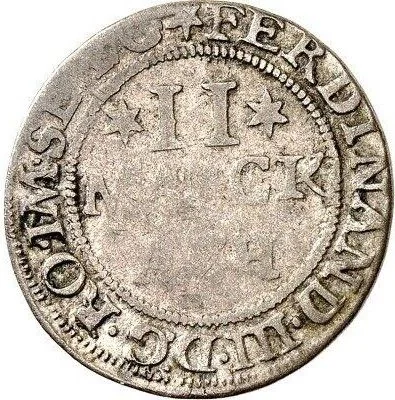
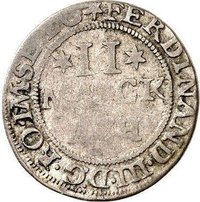
Reverse
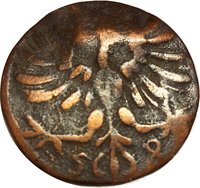
Description:
Imperial eagle, crowned, with orb and Ferdinand III's titles.
Inscription:
FERDIN III D G ROM IMP SE AVG
II
MARCK
ACH
II
MARCK
ACH
Script: Latin
Edge
Mintings
| Year | Mint Mark | Mintage | Quality | Collection |
|---|---|---|---|---|
| 1647 | — | — | ||
| 1649 | — | — | ||
| 1650 | — | — |
Historical background
In 1647, the Free Imperial City of Aachen, like much of the Holy Roman Empire, was navigating a complex and debased currency landscape exacerbated by the final, weary years of the Thirty Years' War. The city operated within the Empire's broader monetary framework, which was fragmented into numerous regional "Kreise" (circles), with Aachen belonging to the Lower Rhenish-Westphalian Circle. The official currency relied on the Reichsthaler as a large silver accounting unit, but daily commerce was conducted in a proliferation of smaller, often degraded coins such as Albus, Heller, and Groschen, minted by various neighboring princes and cities. This created a chronic problem of fluctuating exchange rates and uncertain metal content, as wartime pressures led states to debase their coinage to fund armies, flooding the market with inferior money.
Locally, Aachen's economy, traditionally reliant on cloth production and its prestigious status as an imperial city and coronation site, was strained by the war's disruption to trade routes and demographic shifts. The city council faced the constant challenge of maintaining the integrity of its own municipal coinage while coping with the influx of "bad money" from outside its walls. Debasement was a contagious disease; to remain competitive in regional trade and to meet fiscal demands, cities were often forced to lower the silver content of their own issues, leading to inflation and loss of public trust. The situation fostered a thriving trade for money changers (Wechsler), who were essential but often viewed with suspicion for profiting from the chaos.
The year 1647 is significant as it falls within the final phase of the Peace of Westphalia negotiations (concluded in 1648). While the treaties would not directly standardize currency, the impending peace carried the hope of economic stabilization. For Aachen's magistrates and merchants, the priority was managing this turbulent transition, attempting to enforce currency ordinances against counterfeit and clipped coins, and preparing for a post-war economic order. The currency situation was thus a microcosm of the wider imperial crisis: a struggle between local authority and imperial dysfunction, with daily economic life burdened by the financial legacy of a devastating conflict.
Locally, Aachen's economy, traditionally reliant on cloth production and its prestigious status as an imperial city and coronation site, was strained by the war's disruption to trade routes and demographic shifts. The city council faced the constant challenge of maintaining the integrity of its own municipal coinage while coping with the influx of "bad money" from outside its walls. Debasement was a contagious disease; to remain competitive in regional trade and to meet fiscal demands, cities were often forced to lower the silver content of their own issues, leading to inflation and loss of public trust. The situation fostered a thriving trade for money changers (Wechsler), who were essential but often viewed with suspicion for profiting from the chaos.
The year 1647 is significant as it falls within the final phase of the Peace of Westphalia negotiations (concluded in 1648). While the treaties would not directly standardize currency, the impending peace carried the hope of economic stabilization. For Aachen's magistrates and merchants, the priority was managing this turbulent transition, attempting to enforce currency ordinances against counterfeit and clipped coins, and preparing for a post-war economic order. The currency situation was thus a microcosm of the wider imperial crisis: a struggle between local authority and imperial dysfunction, with daily economic life burdened by the financial legacy of a devastating conflict.
✨ Legendary