

Italy
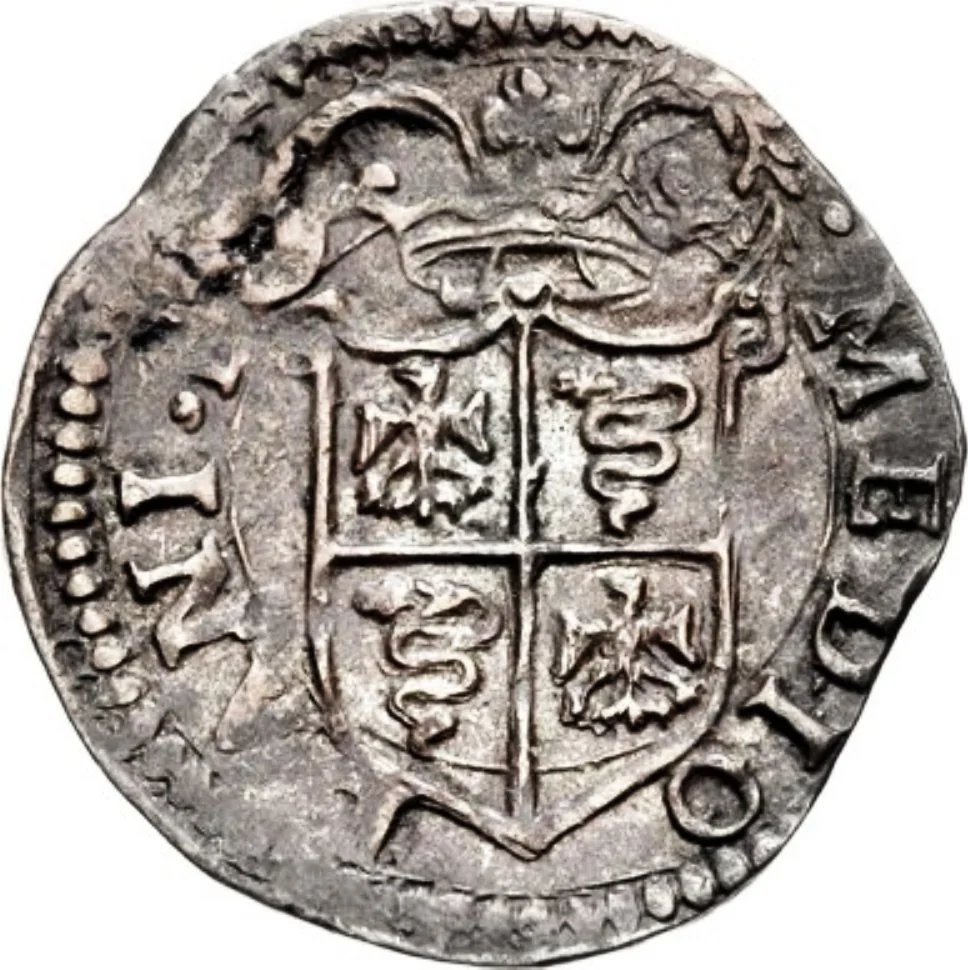
Obverse
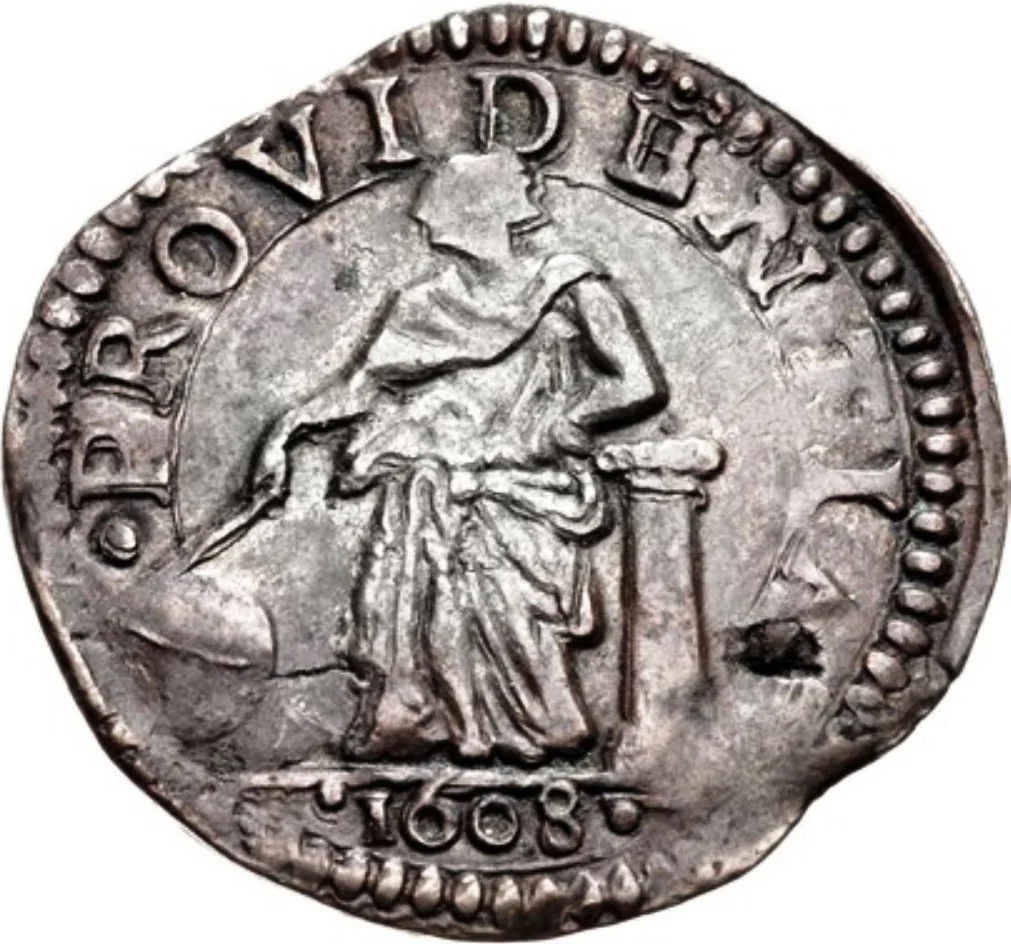
Reverse
Description:
Providence standing, leaning left on a column, holding a wand over a globe; date in exergue.
Inscription:
PROVIDENTIA
Script: Latin
Edge
Mints
| Name | Mark |
|---|---|
| Milan | — |
Mintings
| Year | Mint Mark | Mintage | Quality | Collection |
|---|---|---|---|---|
| — | — | — | ||
| 1602 | — | — | ||
| 1603 | — | — | ||
| 1608 | — | — |
Historical background
In 1598, Milan was a wealthy and strategically vital state within the Spanish Empire, ruled by a governor appointed from Madrid. Its currency situation reflected this dual identity: a local economic powerhouse integrated into a vast, strained imperial system. The primary coin was the Scudo d’oro (gold scudo), used for large transactions and international trade, alongside a complex system of silver coins like the lira and soldo. However, the integrity of this system was under constant pressure from the Spanish Crown's frequent financial crises, which led to the debasement of coinage elsewhere in the empire, causing anxiety among Milanese merchants and bankers.
The local monetary landscape was notably managed with relative prudence by the Milanese mint and authorities, who sought to maintain the stability of the lira imperiale as a unit of account. This was crucial for public finance and contracts. Nevertheless, Milan was not immune to the "Price Revolution" sweeping Europe—a period of sustained inflation driven by influxes of silver from the New World. This devalued silver coins against gold, creating ongoing challenges for wage earners and fixed incomes, and complicating daily commerce where small denominations were essential.
Furthermore, Milan’s position as a financial and military crossroads meant its markets were flooded with a variety of foreign coins from neighboring states like Genoa, Venice, and the Swiss Cantons. This circulation of external currency, often of varying purity and value, required constant official tariffs and exchange lists to establish equivalence. Thus, while Milan enjoyed a more stable reputation than other Spanish domains, its currency situation in 1598 was a delicate balance of local administrative care, imperial economic forces, and the realities of being a commercial hub in an era of monetary turbulence.
The local monetary landscape was notably managed with relative prudence by the Milanese mint and authorities, who sought to maintain the stability of the lira imperiale as a unit of account. This was crucial for public finance and contracts. Nevertheless, Milan was not immune to the "Price Revolution" sweeping Europe—a period of sustained inflation driven by influxes of silver from the New World. This devalued silver coins against gold, creating ongoing challenges for wage earners and fixed incomes, and complicating daily commerce where small denominations were essential.
Furthermore, Milan’s position as a financial and military crossroads meant its markets were flooded with a variety of foreign coins from neighboring states like Genoa, Venice, and the Swiss Cantons. This circulation of external currency, often of varying purity and value, required constant official tariffs and exchange lists to establish equivalence. Thus, while Milan enjoyed a more stable reputation than other Spanish domains, its currency situation in 1598 was a delicate balance of local administrative care, imperial economic forces, and the realities of being a commercial hub in an era of monetary turbulence.
💎 Very Rare