

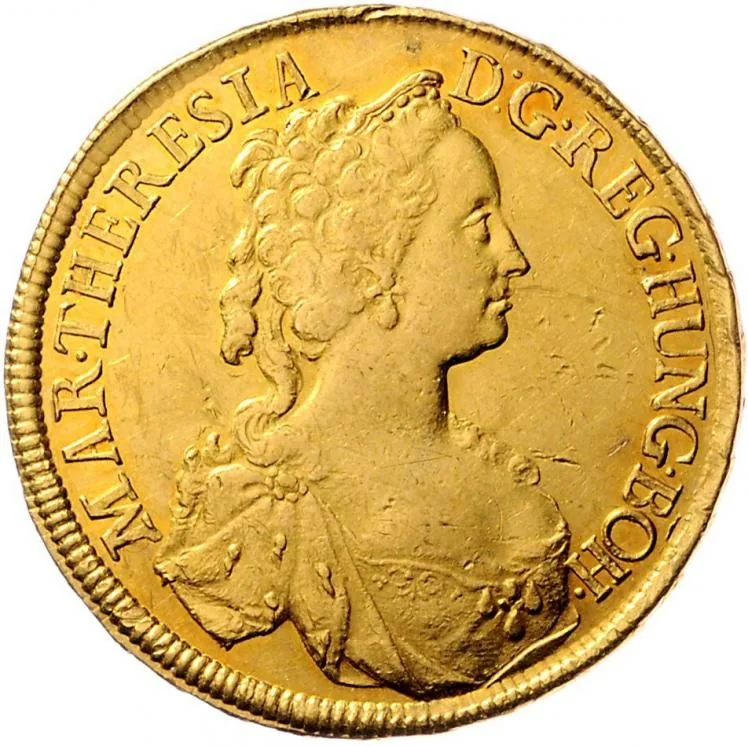
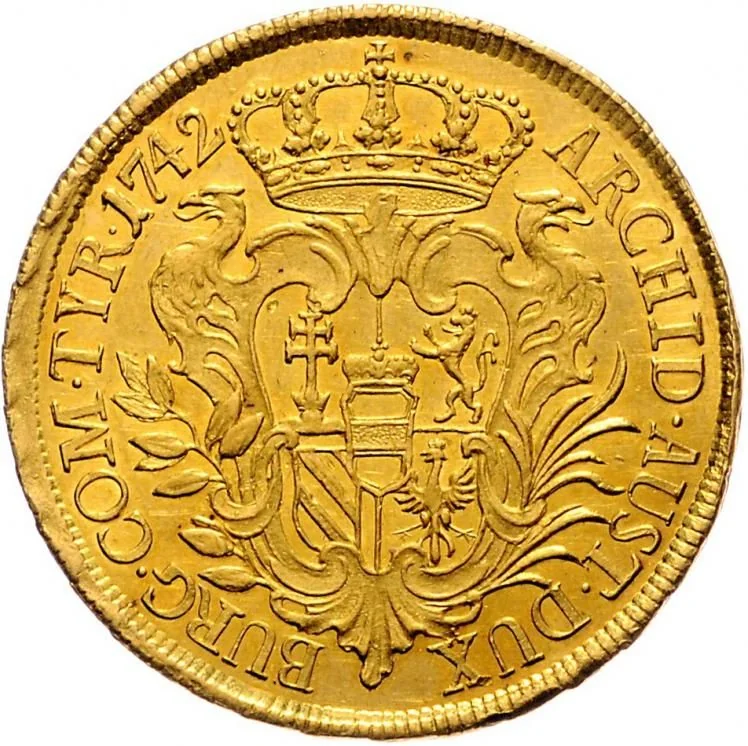
5 ducats – Austrian Empire
Add to wishlist
Austria
Context
Years: 1741–1743
Country: Austria
Issuer: Austrian Empire
Ruler: Maria Theresa
Currency:
(1520—1754)
Demonetized: Yes
Material
References
KM: #
Numista: #159504
Value
Bullion value: $2669.22
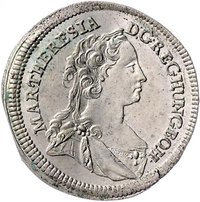
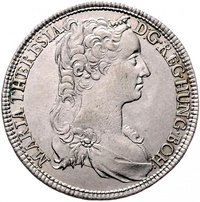
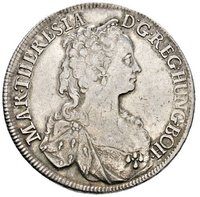
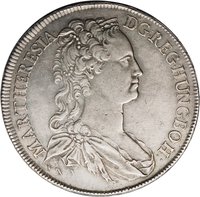
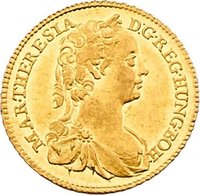
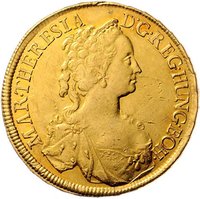
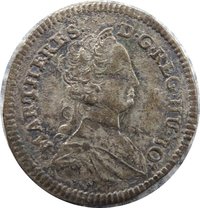
Obverse
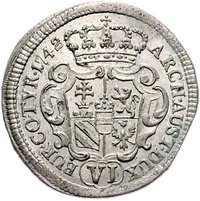
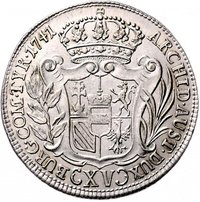
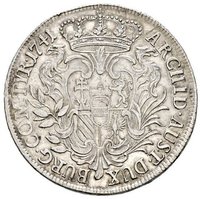
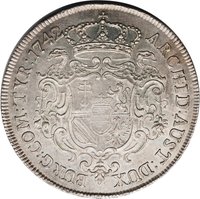
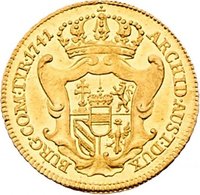
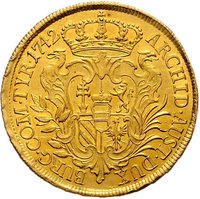
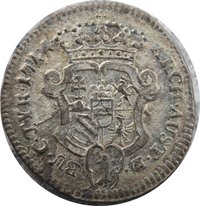
Reverse
Edge
Mints
| Name | Mark |
|---|---|
| Münze Österreich | — |
Mintings
| Year | Mint Mark | Mintage | Quality | Collection |
|---|---|---|---|---|
| 1741 | — | — | ||
| 1742 | — | — | ||
| 1743 | — | — |
Historical background
In 1741, the Austrian Empire, under the rule of Maria Theresa, was embroiled in the War of the Austrian Succession, a conflict that placed immense fiscal strain on the Habsburg monarchy. The immediate need to fund large armies and secure alliances against a coalition of European powers, including Prussia, France, and Bavaria, led to a critical shortage of specie (gold and silver coin). This forced the state to resort to emergency financial measures, most notably the manipulation of the coinage to generate seigniorage revenue—profit made from minting coins.
The primary response was a significant debasement of the currency. The state reduced the silver content in coins, particularly the Konventionstaler and smaller denominations, while often maintaining their face value. This allowed the treasury to mint more coins from the same silver reserves, creating short-term funds for the war effort. However, this policy rapidly eroded public trust in the currency, leading to inflation, hoarding of older, purer coins (Gresham's Law in action), and disruption to commerce as the value of money became unstable and unpredictable.
Consequently, the monetary system in 1741 was characterized by confusion and devaluation. Different regions of the heterogeneous empire grappled with varying degrees of acceptance of the new coins, and foreign currencies often circulated with more confidence than the domestic issues. This period marked a low point in the stability of Habsburg finance, setting the stage for Maria Theresa's later comprehensive reforms, including the standardization of the Conventionsthaler in the 1750s, which aimed to restore monetary order and credibility after the war's conclusion.
The primary response was a significant debasement of the currency. The state reduced the silver content in coins, particularly the Konventionstaler and smaller denominations, while often maintaining their face value. This allowed the treasury to mint more coins from the same silver reserves, creating short-term funds for the war effort. However, this policy rapidly eroded public trust in the currency, leading to inflation, hoarding of older, purer coins (Gresham's Law in action), and disruption to commerce as the value of money became unstable and unpredictable.
Consequently, the monetary system in 1741 was characterized by confusion and devaluation. Different regions of the heterogeneous empire grappled with varying degrees of acceptance of the new coins, and foreign currencies often circulated with more confidence than the domestic issues. This period marked a low point in the stability of Habsburg finance, setting the stage for Maria Theresa's later comprehensive reforms, including the standardization of the Conventionsthaler in the 1750s, which aimed to restore monetary order and credibility after the war's conclusion.
✨ Legendary