

1 kreuzer – Austrian Empire
Add to wishlist
Austria
Context
Years: 1742–1745
Country: Austria
Issuer: Austrian Empire
Ruler: Maria Theresa
Currency:
(1520—1754)
Demonetized: Yes
Material
References
KM: #
Numista: #72641
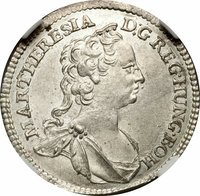
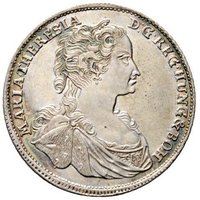
Obverse
Description:
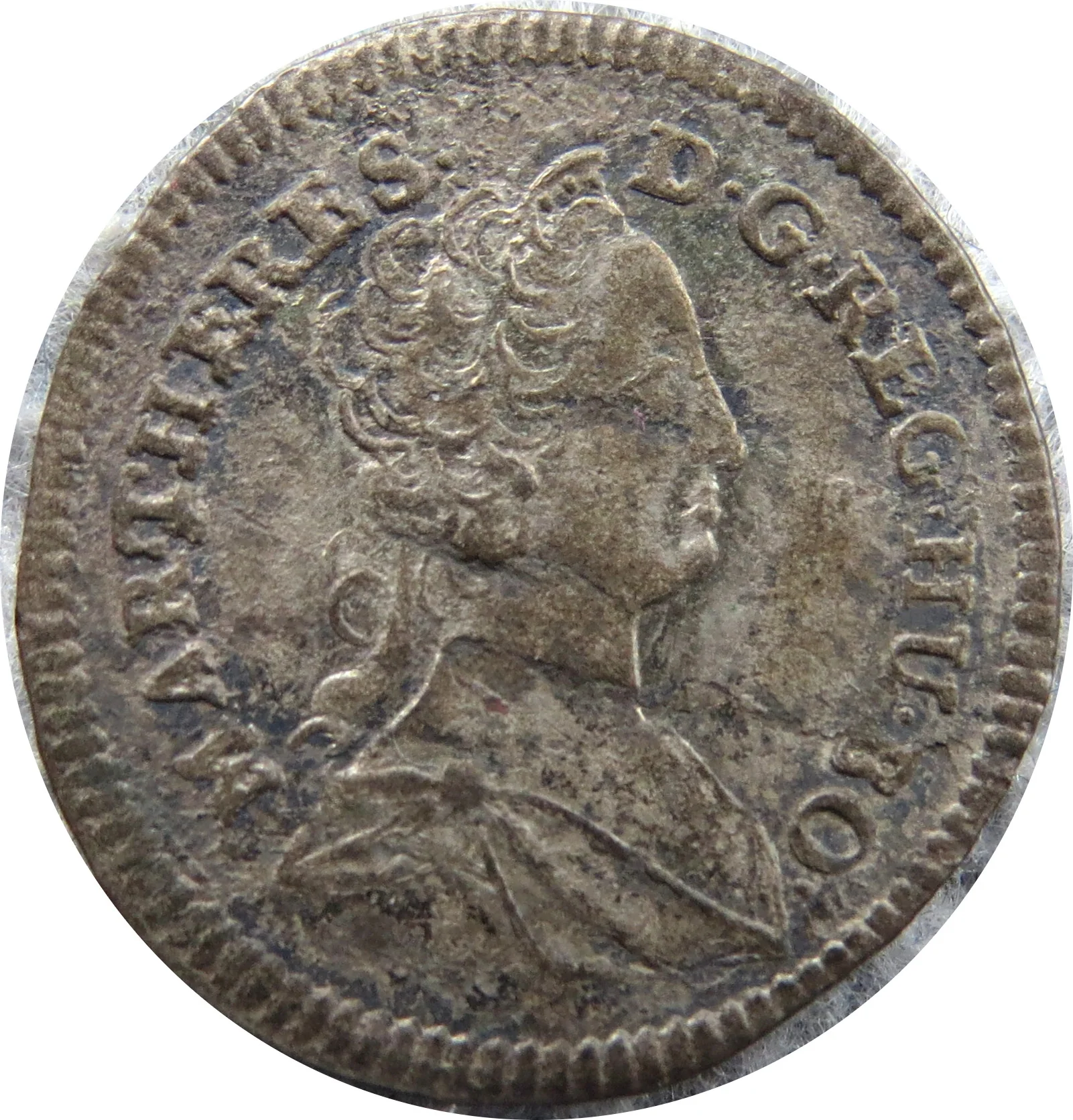
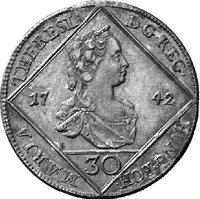
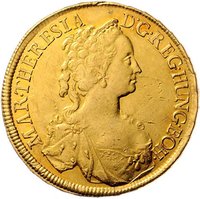
Portrait of Maria Theresia facing right, encircled by the legend "Maria Theresia Dei Gratia Regina Hungariae Bohemiae."
Inscription:
MAR THERES D G REG HU BO
Script: Latin
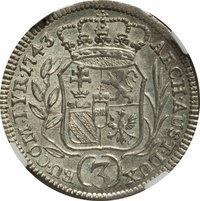
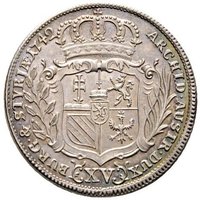
Reverse
Description:
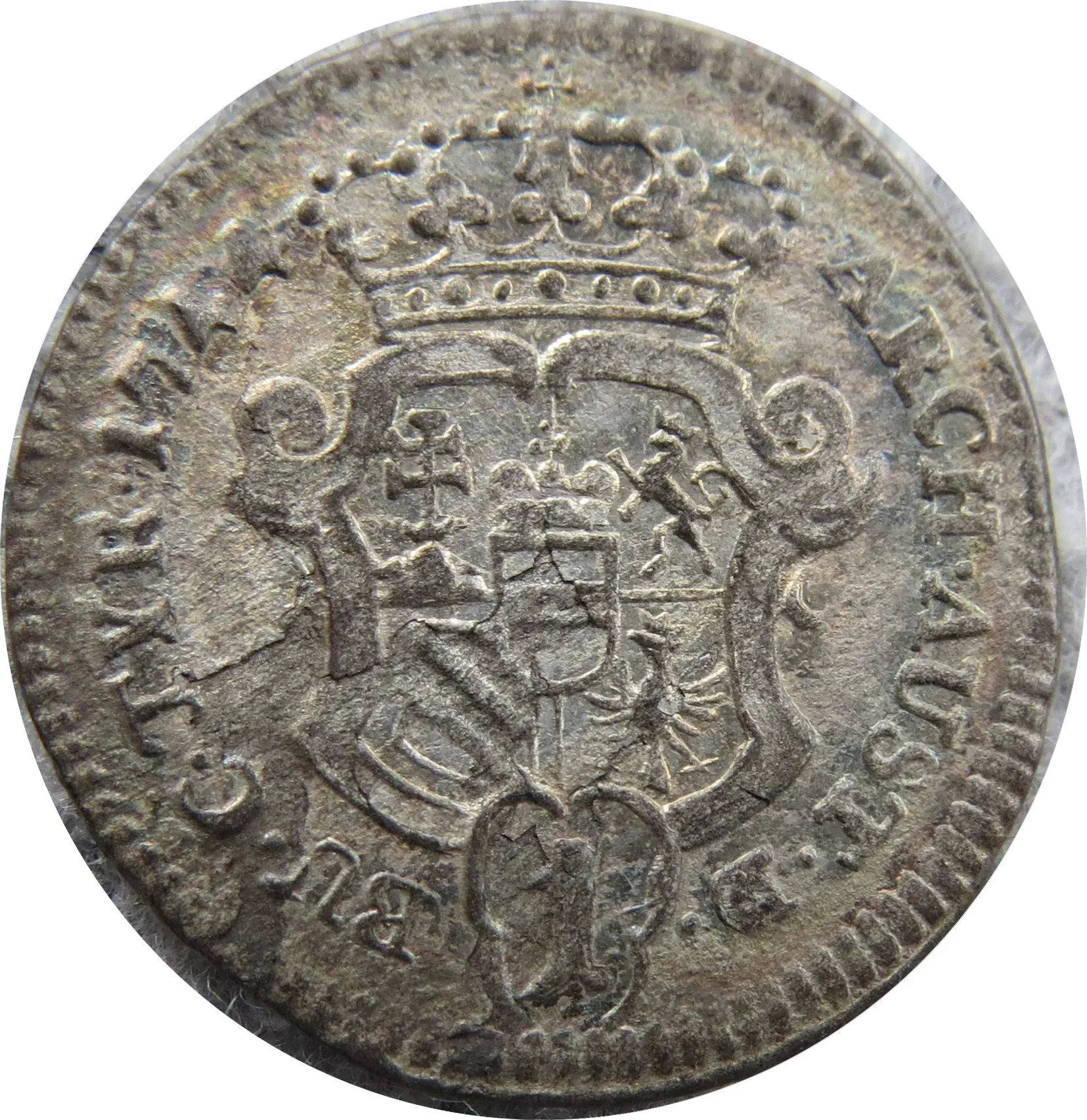
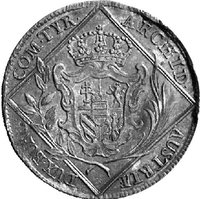
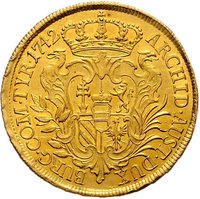
Arms of Hungary, Bohemia, Tyrol, and Burgundy around Austria's center. Value below. Legend: ARCHIDVCISA AVSTRIAE DVCLSA BVRGVNDIAE COMES TYROLIS.
Inscription:
ARCH AUST D BUR C TYR 1744
Script: Latin
Edge
Mints
| Name | Mark |
|---|---|
| Münze Österreich | — |
Mintings
| Year | Mint Mark | Mintage | Quality | Collection |
|---|---|---|---|---|
| 1742 | — | — | ||
| 1743 | — | — | ||
| 1744 | — | — | ||
| 1745 | — | — |
Historical background
In 1742, the Austrian Empire's currency system was in a state of profound strain and complexity, a direct consequence of the ongoing War of the Austrian Succession (1740-1748). The vast, multi-ethnic empire lacked a unified monetary system, operating instead on a patchwork of regional currencies, most notably the Conventionsthaler used in the German and Austrian hereditary lands and the Hungarian forint. The immediate financial crisis was driven by the enormous costs of financing a multi-front war against a powerful coalition including Prussia, France, and Bavaria, which drained the imperial treasury and forced the state to seek extraordinary revenue.
To meet these crushing wartime expenses, the Habsburg state, under the pressure of Empress Maria Theresa, resorted to aggressive debasement of the coinage. This involved significantly reducing the precious metal content (silver) in newly minted coins while maintaining their face value, a practice that allowed the government to mint more coins from the same silver reserves. The most notable example was the issuance of so-called "Bancozettel," early forms of paper money, and the debasement of the Conventionsmünze standard. This created a dual system where older, full-value coins were hoarded and disappeared from circulation, leaving the economy flooded with inferior, unstable currency.
The immediate effects were severe inflation, a loss of public confidence in the currency, and disruptive fluctuations in exchange rates between the empire's various regions and with foreign trading partners. The situation in 1742 thus represents a critical point of monetary crisis, where short-term fiscal desperation undermined economic stability. This experience would later propel Maria Theresa and her advisors, notably Count Friedrich Wilhelm von Haugwitz, toward major financial and administrative reforms later in the decade, laying the groundwork for a more centralized and stable monetary system.
To meet these crushing wartime expenses, the Habsburg state, under the pressure of Empress Maria Theresa, resorted to aggressive debasement of the coinage. This involved significantly reducing the precious metal content (silver) in newly minted coins while maintaining their face value, a practice that allowed the government to mint more coins from the same silver reserves. The most notable example was the issuance of so-called "Bancozettel," early forms of paper money, and the debasement of the Conventionsmünze standard. This created a dual system where older, full-value coins were hoarded and disappeared from circulation, leaving the economy flooded with inferior, unstable currency.
The immediate effects were severe inflation, a loss of public confidence in the currency, and disruptive fluctuations in exchange rates between the empire's various regions and with foreign trading partners. The situation in 1742 thus represents a critical point of monetary crisis, where short-term fiscal desperation undermined economic stability. This experience would later propel Maria Theresa and her advisors, notably Count Friedrich Wilhelm von Haugwitz, toward major financial and administrative reforms later in the decade, laying the groundwork for a more centralized and stable monetary system.
💎 Extremely Rare