

2 daler – Sweden
Add to wishlist
Sweden
Context
Material
References
KM: #
Numista: #159446
Value
Bullion value: $145.23
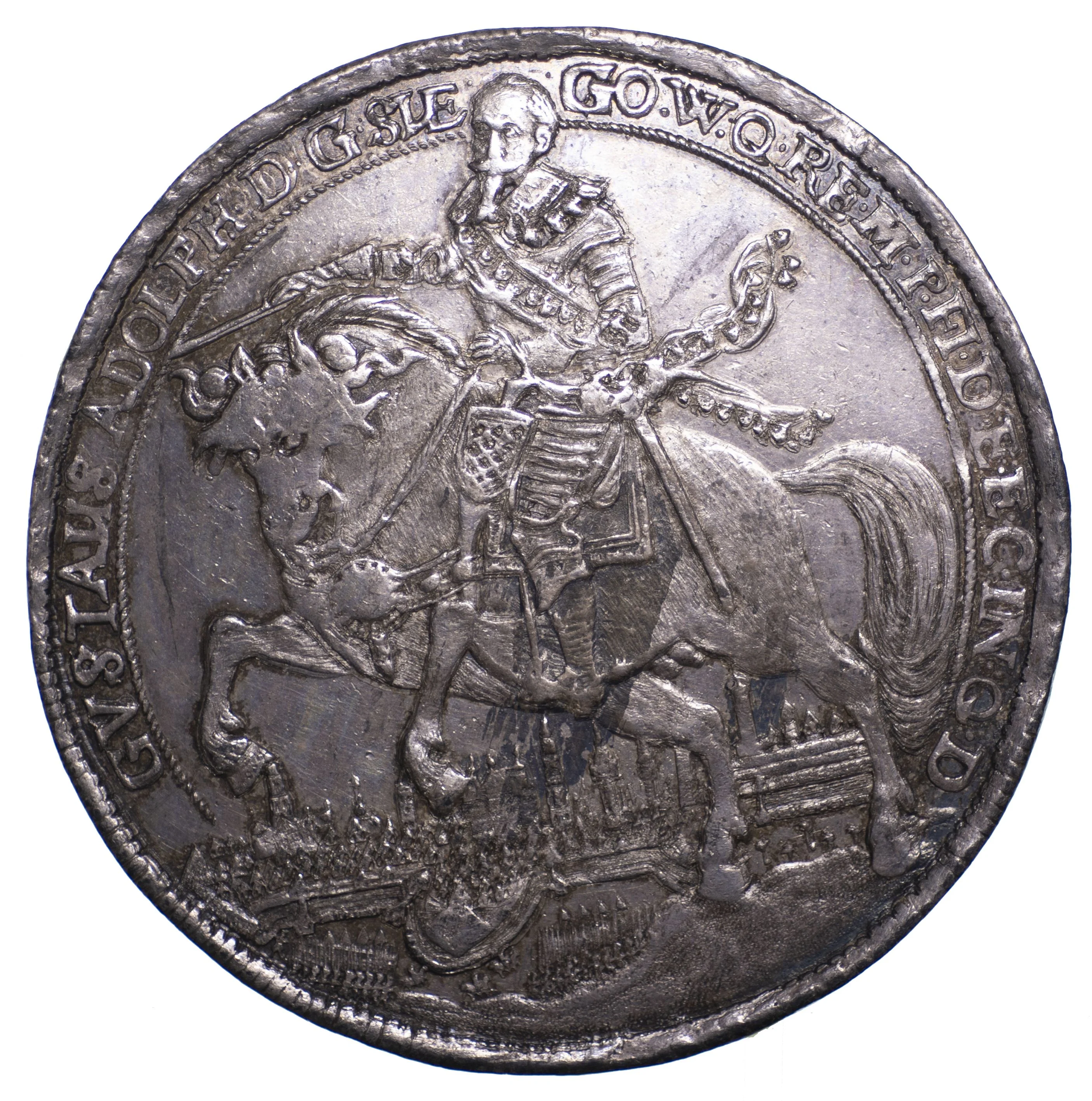
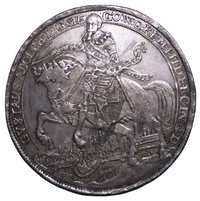
Obverse
Description:
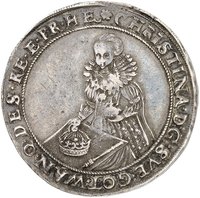
Gustav II Adolf rode behind the city.
Inscription:
GVSTAUS ADOLPH DG SVE GO WO RE M P FI D E E C ING Q D
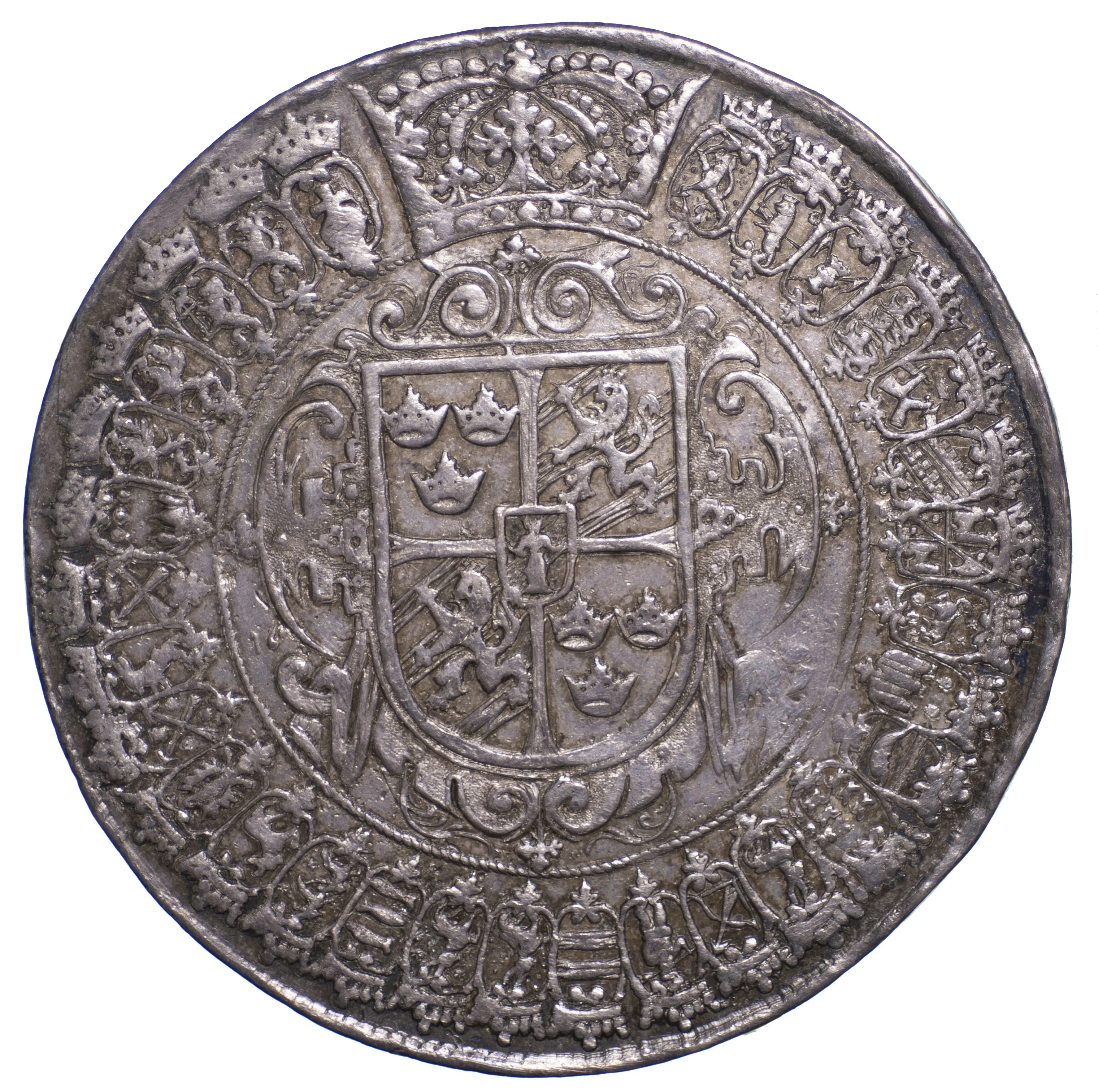
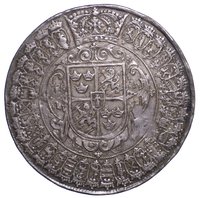
Reverse
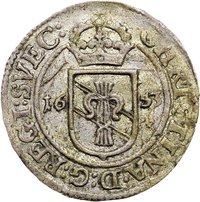
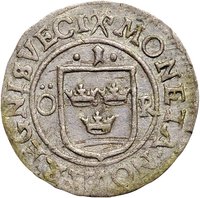
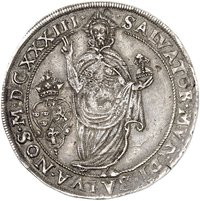
Description:
Shields encircling crown.
Edge
Mintings
| Year | Mint Mark | Mintage | Quality | Collection |
|---|---|---|---|---|
| 1633 | — | — |
Historical background
In 1633, Sweden was in the midst of the Thirty Years' War, and its monetary system was under severe strain. King Gustavus Adolphus's ambitious military campaigns, while politically successful, were astronomically expensive. To finance the war, the state had resorted to heavy borrowing, the seizure of church lands, and, most critically, the aggressive debasement of its coinage. The Swedish riksdaler and mark coins were repeatedly minted with lower silver content, a practice that generated short-term revenue for the treasury but eroded public trust and sparked inflation.
The situation was further complicated by Sweden's unique position as a major copper producer. Since 1624, the kingdom had operated on a cumbersome bimetallic standard, issuing large, heavy plate money (plåtmynt) made of pure copper alongside the debased silver coins. These copper slabs, some weighing several kilograms, were intended to back the currency's value with a tangible domestic resource. However, in practice, the system was inefficient for commerce, and the fluctuating market values of copper and silver created chronic instability. The government often struggled to maintain the mandated exchange rate between the two metals.
Consequently, by 1633—a year after the king's death—the financial legacy was one of profound disorder. The currency in circulation was a confusing mix of undervalued silver coins and unwieldy copper plates, leading to price volatility and hindering both domestic trade and international finance. This monetary crisis fell to Chancellor Axel Oxenstierna and the regency government ruling for the underage Queen Christina, who faced the urgent task of stabilizing the nation's finances while continuing to fund the ongoing war effort. The period set the stage for future experiments, culminating in the establishment of Europe's first central bank, the Riksens Ständers Bank (the Bank of the Estates of the Realm), in 1668.
The situation was further complicated by Sweden's unique position as a major copper producer. Since 1624, the kingdom had operated on a cumbersome bimetallic standard, issuing large, heavy plate money (plåtmynt) made of pure copper alongside the debased silver coins. These copper slabs, some weighing several kilograms, were intended to back the currency's value with a tangible domestic resource. However, in practice, the system was inefficient for commerce, and the fluctuating market values of copper and silver created chronic instability. The government often struggled to maintain the mandated exchange rate between the two metals.
Consequently, by 1633—a year after the king's death—the financial legacy was one of profound disorder. The currency in circulation was a confusing mix of undervalued silver coins and unwieldy copper plates, leading to price volatility and hindering both domestic trade and international finance. This monetary crisis fell to Chancellor Axel Oxenstierna and the regency government ruling for the underage Queen Christina, who faced the urgent task of stabilizing the nation's finances while continuing to fund the ongoing war effort. The period set the stage for future experiments, culminating in the establishment of Europe's first central bank, the Riksens Ständers Bank (the Bank of the Estates of the Realm), in 1668.
Series: 1633 Sweden circulation coins
✨ Legendary