

dirham – Morocco
Add to wishlist
Morocco
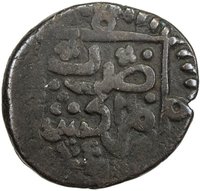
Obverse
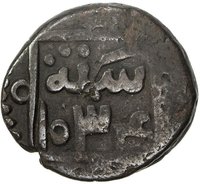
Reverse
Edge
Mintings
| Year | Mint Mark | Mintage | Quality | Collection |
|---|---|---|---|---|
| 1627 | — | — |
Historical background
In 1627, the currency situation in the Saadian Sultanate of Morocco was characterized by a complex and often unstable bimetallic system, heavily influenced by both internal dynamics and intense foreign trade. The primary coins in circulation were the gold benduqi (a local dinar) and the silver dirham, but their weight, purity, and value were not consistently standardized, leading to regional variations and frequent disputes. This period also saw a significant influx of foreign specie, particularly Spanish reales and Ottoman coins, brought by European merchants and corsairs operating from ports like Salé and Essaouira, which further complicated the monetary landscape.
The state’s fiscal health was under considerable strain during this era. Sultan Zaydan an-Nasir, whose reign ended in 1627, and his successors faced costly military engagements, including conflicts with the Ottomans in the east and various Iberian powers. To finance these endeavors, the mints (dar al-sikka) often debased the coinage by reducing the precious metal content, a practice that eroded public trust and caused inflation in commercial centers. This debasement was a point of contention and contributed to economic uncertainty, especially for merchants engaged in long-distance trade.
Furthermore, the currency system was intrinsically linked to Morocco’s pivotal role in trans-Saharan and trans-Mediterranean commerce. Gold from the Bambuk and Bure fields in West Africa flowed north through Moroccan caravan routes, while European silver entered in exchange for Moroccan sugar, leather, and textiles. This constant movement of bullion meant that the Moroccan economy was sensitive to external shocks and shifts in global precious metal supplies. Consequently, the monetary situation in 1627 was one of fluidity and tension, caught between the Sultanate’s attempts at control and the powerful currents of international trade and geopolitical rivalry.
The state’s fiscal health was under considerable strain during this era. Sultan Zaydan an-Nasir, whose reign ended in 1627, and his successors faced costly military engagements, including conflicts with the Ottomans in the east and various Iberian powers. To finance these endeavors, the mints (dar al-sikka) often debased the coinage by reducing the precious metal content, a practice that eroded public trust and caused inflation in commercial centers. This debasement was a point of contention and contributed to economic uncertainty, especially for merchants engaged in long-distance trade.
Furthermore, the currency system was intrinsically linked to Morocco’s pivotal role in trans-Saharan and trans-Mediterranean commerce. Gold from the Bambuk and Bure fields in West Africa flowed north through Moroccan caravan routes, while European silver entered in exchange for Moroccan sugar, leather, and textiles. This constant movement of bullion meant that the Moroccan economy was sensitive to external shocks and shifts in global precious metal supplies. Consequently, the monetary situation in 1627 was one of fluidity and tension, caught between the Sultanate’s attempts at control and the powerful currents of international trade and geopolitical rivalry.
✨ Legendary