

dinar – Morocco
Add to wishlist
Morocco
Context
Year: 1631
Islamic (Hijri) Year:: 1040
Issuer: Morocco
Ruler: al-Walid ben Zidan
Currency:
(1549—1659)
Demonetized: Yes
References
KM: #
Numista: #157662
Value
Bullion value: $690.06
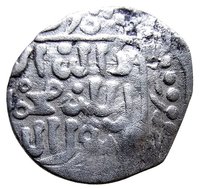
Obverse
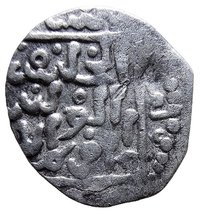
Reverse
Edge
Mintings
| Year | Mint Mark | Mintage | Quality | Collection |
|---|---|---|---|---|
| 1631 | — | — |
Historical background
In 1631, the currency situation in the Saadi Sultanate of Morocco was complex and strained, reflecting a period of both internal consolidation and external pressure. The realm, under Sultan Muhammad al-Sheikh al-Saghir, relied on a bimetallic system of silver dirhams and gold dinars, but the integrity of these coins was increasingly compromised. A primary challenge was the widespread circulation of debased and counterfeit coinage, particularly low-quality copper fals mixed with silver, which eroded public trust and disrupted markets. This monetary instability was exacerbated by the state's chronic need to finance military campaigns and fortify defenses against both Ottoman advances from the east and lingering Portuguese presences on the coast.
The situation was further complicated by Morocco’s pivotal role in trans-Saharan trade and its encounters with European powers. While gold from the Bambuk and Bure fields (and to a lesser extent, via the Sudan route) still supplied the mint, the influx of Spanish reales and other European coins through trade and piracy along the Barbary Coast created a parallel currency environment. These foreign coins, often of more reliable purity, competed with domestic issues, leading to a fragmented monetary landscape where merchants had to constantly assess and exchange a bewildering variety of coins.
Ultimately, the currency woes of 1631 were symptomatic of a central authority struggling to assert full control over the economy. The Saadi dynasty, past its zenith following the death of Ahmad al-Mansur in 1603, faced regional rebellions and succession disputes that weakened the fiscal apparatus. Efforts to standardize coinage and restore confidence were intermittent and often unsuccessful. Thus, the monetary system functioned less as a unified instrument of state and more as a pragmatic, albeit chaotic, tool of local and long-distance commerce, mirroring the broader political fragmentation of the era.
The situation was further complicated by Morocco’s pivotal role in trans-Saharan trade and its encounters with European powers. While gold from the Bambuk and Bure fields (and to a lesser extent, via the Sudan route) still supplied the mint, the influx of Spanish reales and other European coins through trade and piracy along the Barbary Coast created a parallel currency environment. These foreign coins, often of more reliable purity, competed with domestic issues, leading to a fragmented monetary landscape where merchants had to constantly assess and exchange a bewildering variety of coins.
Ultimately, the currency woes of 1631 were symptomatic of a central authority struggling to assert full control over the economy. The Saadi dynasty, past its zenith following the death of Ahmad al-Mansur in 1603, faced regional rebellions and succession disputes that weakened the fiscal apparatus. Efforts to standardize coinage and restore confidence were intermittent and often unsuccessful. Thus, the monetary system functioned less as a unified instrument of state and more as a pragmatic, albeit chaotic, tool of local and long-distance commerce, mirroring the broader political fragmentation of the era.

✨ Legendary