

1 mazuna – Morocco
Add to wishlist
Morocco
Context
Material
Diameter: 18.5 mm
Weight: 0.94 g
Silver Weight:: 0.94 g
Shape: Irregular round
Composition: Silver
Magnetic: No
References
KM: #
Numista: #157638
Value
Bullion value: $2.40
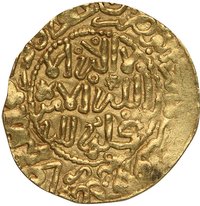
Obverse
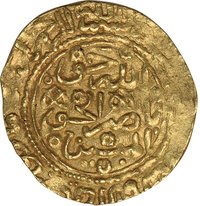
Reverse
Edge
Mintings
| Year | Mint Mark | Mintage | Quality | Collection |
|---|---|---|---|---|
| 1677 | — | — | ||
| 1678 | — | — | ||
| 1679 | — | — | ||
| 1681 | — | — |
Historical background
In 1677, Morocco was under the reign of the Alaouite Sultan Moulay Ismail, a ruler whose 55-year tenure was defined by immense military campaigns, centralization of power, and large-scale construction projects. The state's financial demands were colossal, funding a vast professional army (the Abid al-Bukhari), the building of imperial cities like Meknes, and near-constant warfare against Ottoman-aligned forces and European enclaves. This created a persistent fiscal pressure that directly shaped the monetary system, which was a complex bimetallic structure of gold benduqi dinars and, more commonly, silver dirhams.
The currency situation was characterized by chronic instability and manipulation. The primary silver coin, the dirham, was frequently debased by the Makhzen (the state authority) to increase seigniorage revenue—minting coins with a lower precious metal content than their face value. Furthermore, a plethora of older, worn, and foreign coins circulated, particularly Spanish reales and Ottoman piastres from ongoing trade and conflict, creating a chaotic marketplace where exchange rates fluctuated wildly. This instability was exacerbated by Sultan Ismail’s practice of melting down captured treasure and foreign coins to re-mint them as his own currency, a symbolic act of sovereignty that nonetheless disrupted consistent valuation.
For the common population and merchants, this meant daily transactions were fraught with difficulty. The value of coinage was not trusted, leading to reliance on weight rather than count, and regional variations were significant. The state's focus was on extracting bullion for its treasury rather than ensuring a stable medium of exchange for the economy. Consequently, while the Makhzen’s minting activity was intense, it served the fiscal-military needs of the Sultan more than facilitating a healthy, integrated commercial economy, leaving Morocco’s monetary landscape fragmented and unreliable throughout this period.
The currency situation was characterized by chronic instability and manipulation. The primary silver coin, the dirham, was frequently debased by the Makhzen (the state authority) to increase seigniorage revenue—minting coins with a lower precious metal content than their face value. Furthermore, a plethora of older, worn, and foreign coins circulated, particularly Spanish reales and Ottoman piastres from ongoing trade and conflict, creating a chaotic marketplace where exchange rates fluctuated wildly. This instability was exacerbated by Sultan Ismail’s practice of melting down captured treasure and foreign coins to re-mint them as his own currency, a symbolic act of sovereignty that nonetheless disrupted consistent valuation.
For the common population and merchants, this meant daily transactions were fraught with difficulty. The value of coinage was not trusted, leading to reliance on weight rather than count, and regional variations were significant. The state's focus was on extracting bullion for its treasury rather than ensuring a stable medium of exchange for the economy. Consequently, while the Makhzen’s minting activity was intense, it served the fiscal-military needs of the Sultan more than facilitating a healthy, integrated commercial economy, leaving Morocco’s monetary landscape fragmented and unreliable throughout this period.

✨ Legendary