

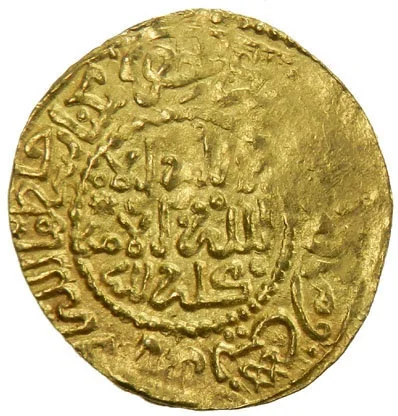
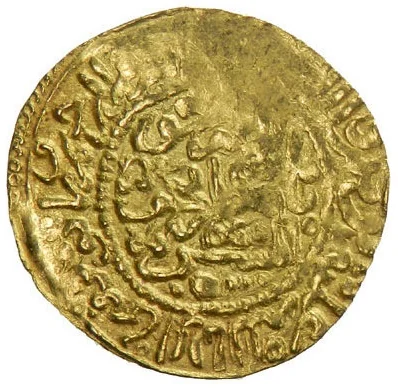
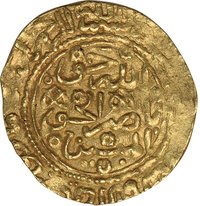
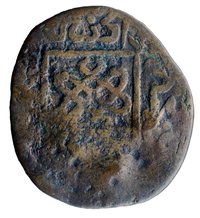
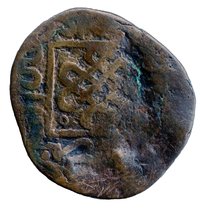
1 Dinar – Morocco
Morocco
Context
Material
Weight: 3.52 g
Gold weight: 3.52 g
Shape: Irregular round
Composition: Gold
Magnetic: No
Technique: Hammered
References
KM: #Click to copy to clipboard28.2
Numista: #157544
Value
Bullion value: $587.89
Mintings
| Year | Mint Mark | Mintage | Quality | Collection |
|---|---|---|---|---|
| 1684 | — | — | ||
| 1685 | — | — | ||
| 1693 | — | — | ||
| 1695 | — | — | ||
| 1707 | — | — | ||
| 1718 | — | — | ||
| 1721 | — | — |
Historical background
In 1684, the currency situation in the Kingdom of Morocco was characterized by a complex and often unstable bimetallic system, heavily influenced by both internal sovereignty and external trade pressures. The primary coins in circulation were the silver dirham and the gold benduqi (or benduki), but their weight, purity, and value were not consistently standardized across the realm, leading to significant regional variations. This period followed the consolidation of the powerful Alaouite dynasty under Sultan Moulay Ismail, who sought to centralize authority and stabilize the economy after a period of fragmentation. However, the state's treasury was frequently strained by the immense costs of maintaining a large military, building imperial projects, and securing the borders, leading to periodic debasements of coinage to meet fiscal demands.
Externally, Morocco's currency was deeply entangled with European and Ottoman trade. Spanish reales, Ottoman altuns, and other foreign coins circulated freely in port cities like Salé and Tangier, often preferred for international transactions due to their reliable metallic content. The capture of Tangier from the English in 1684 further intensified this dynamic, bringing a strategic port firmly under Moroccan control and increasing the influx of European silver. This foreign coinage complicated the domestic monetary landscape, as merchants had to constantly negotiate exchange rates between a multitude of coins, creating a thriving business for money-changers but also fostering uncertainty in commercial dealings.
Ultimately, the monetary system of 1684 reflected the broader state of the Alaouite empire: ambitious and expanding, yet administratively challenged. While Sultan Moulay Ismail attempted to impose order by minting his own coinage in the newly established imperial capital of Meknes, the practical reality was a fragmented system. The state's reliance on irregular tax revenues and tributes from subjugated tribes, combined with the sheer volume of foreign specie, meant that a unified and stable national currency remained an elusive goal, setting the stage for ongoing monetary reforms in the decades to follow.
Externally, Morocco's currency was deeply entangled with European and Ottoman trade. Spanish reales, Ottoman altuns, and other foreign coins circulated freely in port cities like Salé and Tangier, often preferred for international transactions due to their reliable metallic content. The capture of Tangier from the English in 1684 further intensified this dynamic, bringing a strategic port firmly under Moroccan control and increasing the influx of European silver. This foreign coinage complicated the domestic monetary landscape, as merchants had to constantly negotiate exchange rates between a multitude of coins, creating a thriving business for money-changers but also fostering uncertainty in commercial dealings.
Ultimately, the monetary system of 1684 reflected the broader state of the Alaouite empire: ambitious and expanding, yet administratively challenged. While Sultan Moulay Ismail attempted to impose order by minting his own coinage in the newly established imperial capital of Meknes, the practical reality was a fragmented system. The state's reliance on irregular tax revenues and tributes from subjugated tribes, combined with the sheer volume of foreign specie, meant that a unified and stable national currency remained an elusive goal, setting the stage for ongoing monetary reforms in the decades to follow.
✨ Legendary