

1 Falus – Morocco
Morocco
Context
Year: 1690
Islamic (Hijri) Year: 1101
Issuer: Morocco 
Ruler: Isma‘il al-Samin
Currency:
(1659—1882)
Demonetized: Yes
Material
References
KM: #Click to copy to clipboardA28.3
Numista: #157631
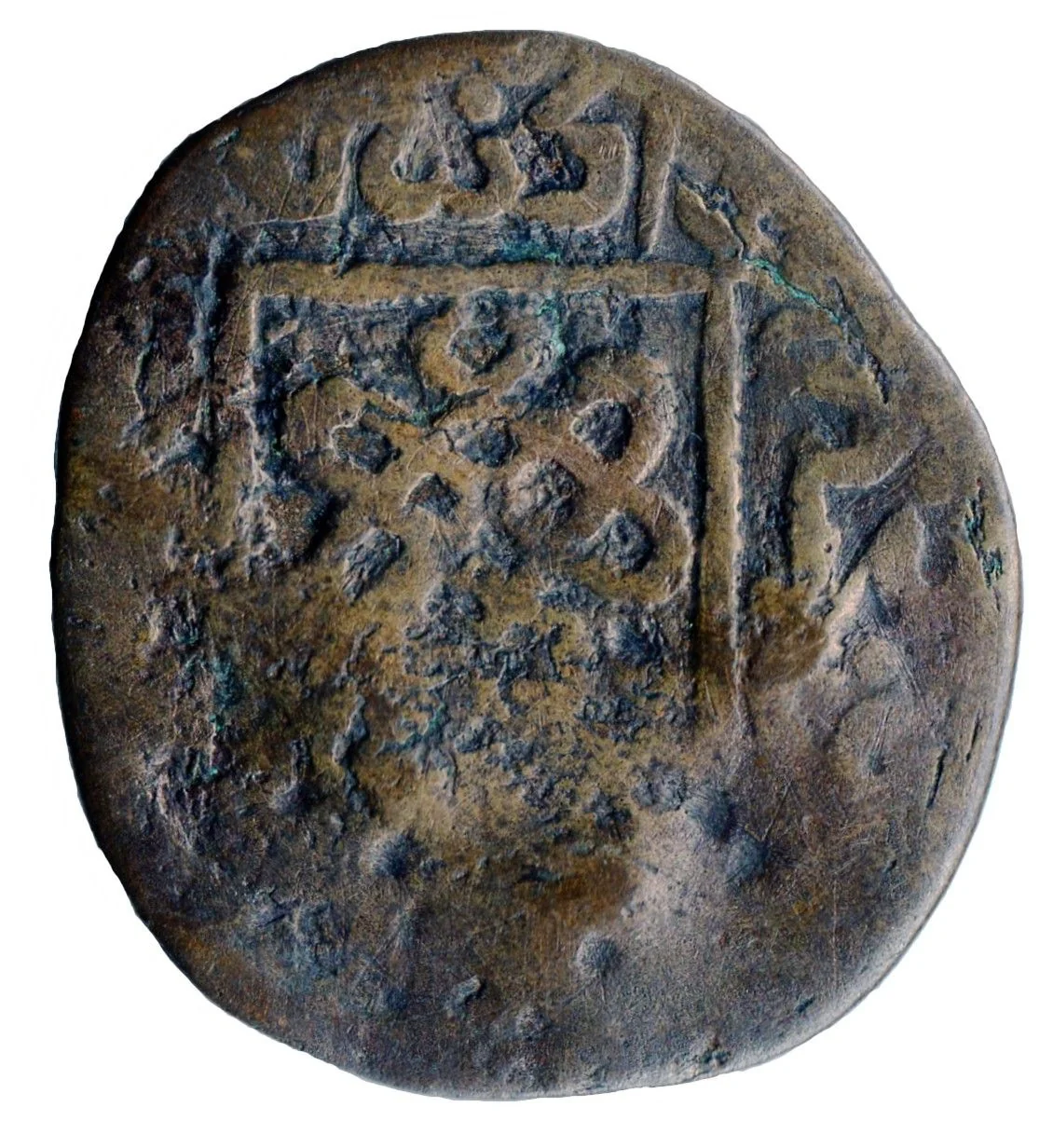
Obverse
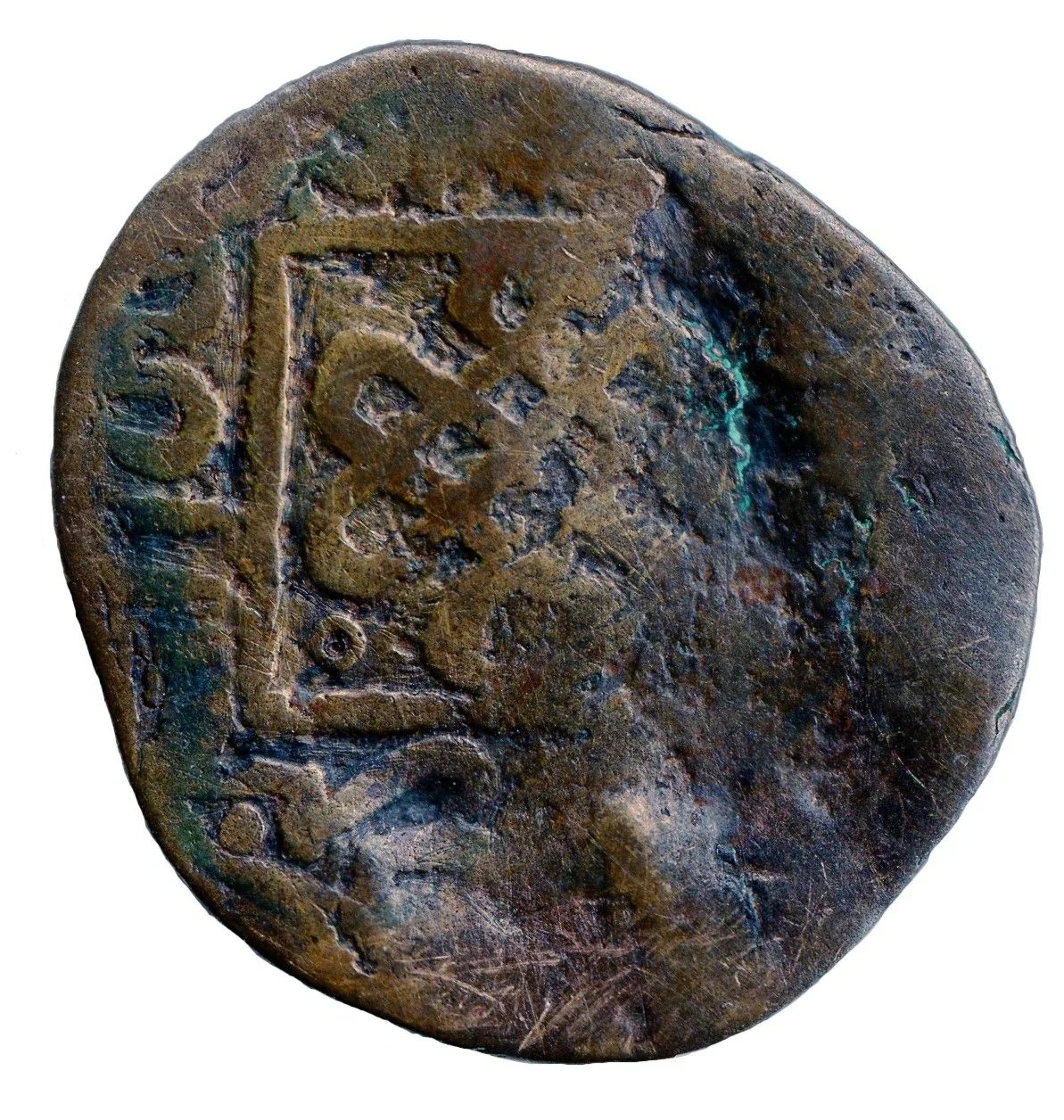
Reverse
Description:
Read the date inscribed in letters on the four sides of this face.
Script: Arabic
Edge
Mints
| Name | Mark |
|---|---|
| Marrakush | مراكش |
Mintings
| Year | Mint Mark | Mintage | Quality | Collection |
|---|---|---|---|---|
| 1690 | — | — |
Historical background
In 1690, the currency situation in the Alaouite Sultanate of Morocco was characterized by a complex and often chaotic bimetallic system, heavily influenced by both internal sovereignty and intense foreign trade. The primary coins in circulation were the silver dirham and the gold benduqi (or dinar), but their weight, purity, and value were not consistently standardized across the realm. The Sultan Moulay Ismail (r. 1672–1727) exerted strong central control from his new capital at Meknes, and his mint (dar al-sikka) issued currency to pay his extensive military and administrative apparatus. However, the actual monetary landscape was fragmented, with older coins from previous dynasties and regional mints still circulating, leading to a reliance on money-changers (sarrafs) who assessed each coin's intrinsic metallic value.
This period was marked by a severe shortage of precious metals, particularly silver, which strained the economy. The sultanate's costly military campaigns, the construction of monumental projects, and a relative decline in traditional Trans-Saharan gold trade contributed to the drain. To compensate, the mints often debased the silver coinage, reducing its silver content, which in turn fueled inflation and eroded public trust. Furthermore, a flood of foreign coins, especially Spanish reales (pieces of eight) and Ottoman gold, circulated prominently in coastal trading ports like Salé and Essaouira, used by European merchants and corsairs. These foreign coins were often preferred for their reliable metal content, creating a dual system where international trade operated on a different monetary standard than the domestic economy.
Consequently, Sultan Ismail attempted monetary reforms to consolidate his power and stabilize revenue. He periodically recalled existing coinage to be melted and re-minted, asserting royal prerogative and seigniorage rights. These reforms were only partially successful, as the underlying scarcity of bullion and the pressures of global trade dynamics persisted. The currency situation of 1690 thus reflects a kingdom asserting its monetary sovereignty amidst internal fiscal demands and its inescapable integration into the early modern Atlantic and Mediterranean economic circuits, setting the stage for continued monetary struggles throughout his long reign.
This period was marked by a severe shortage of precious metals, particularly silver, which strained the economy. The sultanate's costly military campaigns, the construction of monumental projects, and a relative decline in traditional Trans-Saharan gold trade contributed to the drain. To compensate, the mints often debased the silver coinage, reducing its silver content, which in turn fueled inflation and eroded public trust. Furthermore, a flood of foreign coins, especially Spanish reales (pieces of eight) and Ottoman gold, circulated prominently in coastal trading ports like Salé and Essaouira, used by European merchants and corsairs. These foreign coins were often preferred for their reliable metal content, creating a dual system where international trade operated on a different monetary standard than the domestic economy.
Consequently, Sultan Ismail attempted monetary reforms to consolidate his power and stabilize revenue. He periodically recalled existing coinage to be melted and re-minted, asserting royal prerogative and seigniorage rights. These reforms were only partially successful, as the underlying scarcity of bullion and the pressures of global trade dynamics persisted. The currency situation of 1690 thus reflects a kingdom asserting its monetary sovereignty amidst internal fiscal demands and its inescapable integration into the early modern Atlantic and Mediterranean economic circuits, setting the stage for continued monetary struggles throughout his long reign.

✨ Legendary