

1 mazuna – Morocco
Add to wishlist
Morocco
Context
References
KM: #
Numista: #157495
Value
Bullion value: $1.82
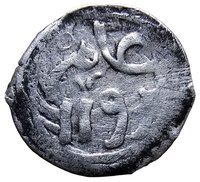
Obverse
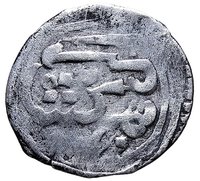
Reverse
Edge
Mintings
| Year | Mint Mark | Mintage | Quality | Collection |
|---|---|---|---|---|
| 1771 | — | — | ||
| 1772 | — | — | ||
| 1773 | — | — |
Historical background
In 1771, Morocco's currency situation was characterized by a complex and often unstable system of multiple coinages, reflecting both its deep integration into Mediterranean trade networks and the internal pressures of the Alawite Sultanate. The primary unit was the silver dirham, but its weight and purity were not consistently standardized, leading to variations between mints in cities like Fez, Marrakech, and Tetouan. Alongside these, Spanish reales (pieces of eight), Ottoman gold coins, and other European currencies circulated widely, especially in coastal trading ports, as Morocco was a key hub in the exchange between Europe, Africa, and the broader Islamic world.
This monetary plurality created significant challenges for Sultan Mohammed III (r. 1757-1790), who was actively pursuing a policy of centralization and economic modernization. The influx of foreign specie and the debasement of local coinage by various authorities led to frequent fluctuations in exchange rates, hindering domestic commerce and state revenue collection. The Sultan recognized that a disorganized currency undermined both his authority and the kingdom's economic sovereignty, particularly as European commercial influence grew.
Consequently, the period around 1771 was one of transition and reform. Mohammed III had already begun efforts to reassert strict state control over the minting process, aiming to standardize the silver dirham and introduce a new, reliable gold coinage, the benduqi. These reforms were part of a broader strategy to stabilize the economy, facilitate taxation and trade, and project the power and legitimacy of the central Makhzen (government). Thus, the currency situation of 1771 was not static but a pivotal moment in the Sultan's ongoing struggle to unify and control Morocco's monetary system.
This monetary plurality created significant challenges for Sultan Mohammed III (r. 1757-1790), who was actively pursuing a policy of centralization and economic modernization. The influx of foreign specie and the debasement of local coinage by various authorities led to frequent fluctuations in exchange rates, hindering domestic commerce and state revenue collection. The Sultan recognized that a disorganized currency undermined both his authority and the kingdom's economic sovereignty, particularly as European commercial influence grew.
Consequently, the period around 1771 was one of transition and reform. Mohammed III had already begun efforts to reassert strict state control over the minting process, aiming to standardize the silver dirham and introduce a new, reliable gold coinage, the benduqi. These reforms were part of a broader strategy to stabilize the economy, facilitate taxation and trade, and project the power and legitimacy of the central Makhzen (government). Thus, the currency situation of 1771 was not static but a pivotal moment in the Sultan's ongoing struggle to unify and control Morocco's monetary system.
Series: 1771 Morocco circulation coins

✨ Legendary