

1 Mazuna – Morocco
Morocco
Context
Year: 1798
Islamic (Hijri) Year: 1212
Issuer: Morocco 
Ruler: Moulay Sulayman
Currency:
(1659—1882)
Demonetized: Yes
Material
References
KM: #Click to copy to clipboard105a.2
Numista: #157260
Value
Bullion value: $1.74
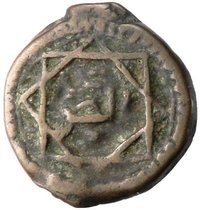
Obverse
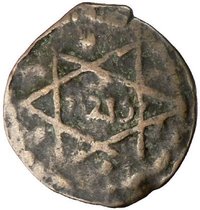
Reverse
Edge
Mintings
| Year | Mint Mark | Mintage | Quality | Collection |
|---|---|---|---|---|
| 1798 | — | — |
Historical background
In 1798, Morocco's currency situation was characterized by a complex and often unstable bimetallic system, heavily influenced by European commercial pressures and internal dynastic struggles. The country operated on a standard of gold benduqi coins and silver dirhams, but the actual circulating medium was a chaotic mix of older, debased domestic coinage and a plethora of foreign currencies. Spanish reales (pieces of eight), Portuguese crusados, and other European coins circulated widely, especially in coastal trading ports, due to Morocco's active maritime trade and the presence of European consulates and merchants. This reliance on foreign specie made the economy vulnerable to external shifts and speculative practices.
The reign of Sultan Moulay Slimane (1792-1822) during this period was marked by attempts to centralize authority and orthodox religious reform, which extended to monetary policy. He sought to restore the purity and reliability of the Moroccan mint (sikka), ordering the striking of new, full-weight coins to combat widespread clipping and counterfeiting. However, these efforts were undermined by chronic fiscal pressures, including the cost of maintaining control over tribal regions, reduced revenues from Atlantic piracy (which was being suppressed by European powers), and fluctuating trade incomes. The state's limited capacity to control the entire money supply often led to shortages of sound currency in the interior.
Consequently, the monetary landscape was one of regional fragmentation and uncertainty. Exchange rates between gold, silver, and the various foreign coins fluctuated, creating difficulties for both local merchants and international trade. This instability reflected the broader challenges facing the 'Alawite dynasty: balancing internal cohesion with the growing economic and political encroachment of European powers, all while managing a treasury that was frequently strained. The currency situation of 1798 thus serves as a financial mirror of a traditional empire navigating an increasingly interconnected and pressuring Atlantic world.
The reign of Sultan Moulay Slimane (1792-1822) during this period was marked by attempts to centralize authority and orthodox religious reform, which extended to monetary policy. He sought to restore the purity and reliability of the Moroccan mint (sikka), ordering the striking of new, full-weight coins to combat widespread clipping and counterfeiting. However, these efforts were undermined by chronic fiscal pressures, including the cost of maintaining control over tribal regions, reduced revenues from Atlantic piracy (which was being suppressed by European powers), and fluctuating trade incomes. The state's limited capacity to control the entire money supply often led to shortages of sound currency in the interior.
Consequently, the monetary landscape was one of regional fragmentation and uncertainty. Exchange rates between gold, silver, and the various foreign coins fluctuated, creating difficulties for both local merchants and international trade. This instability reflected the broader challenges facing the 'Alawite dynasty: balancing internal cohesion with the growing economic and political encroachment of European powers, all while managing a treasury that was frequently strained. The currency situation of 1798 thus serves as a financial mirror of a traditional empire navigating an increasingly interconnected and pressuring Atlantic world.

✨ Legendary