

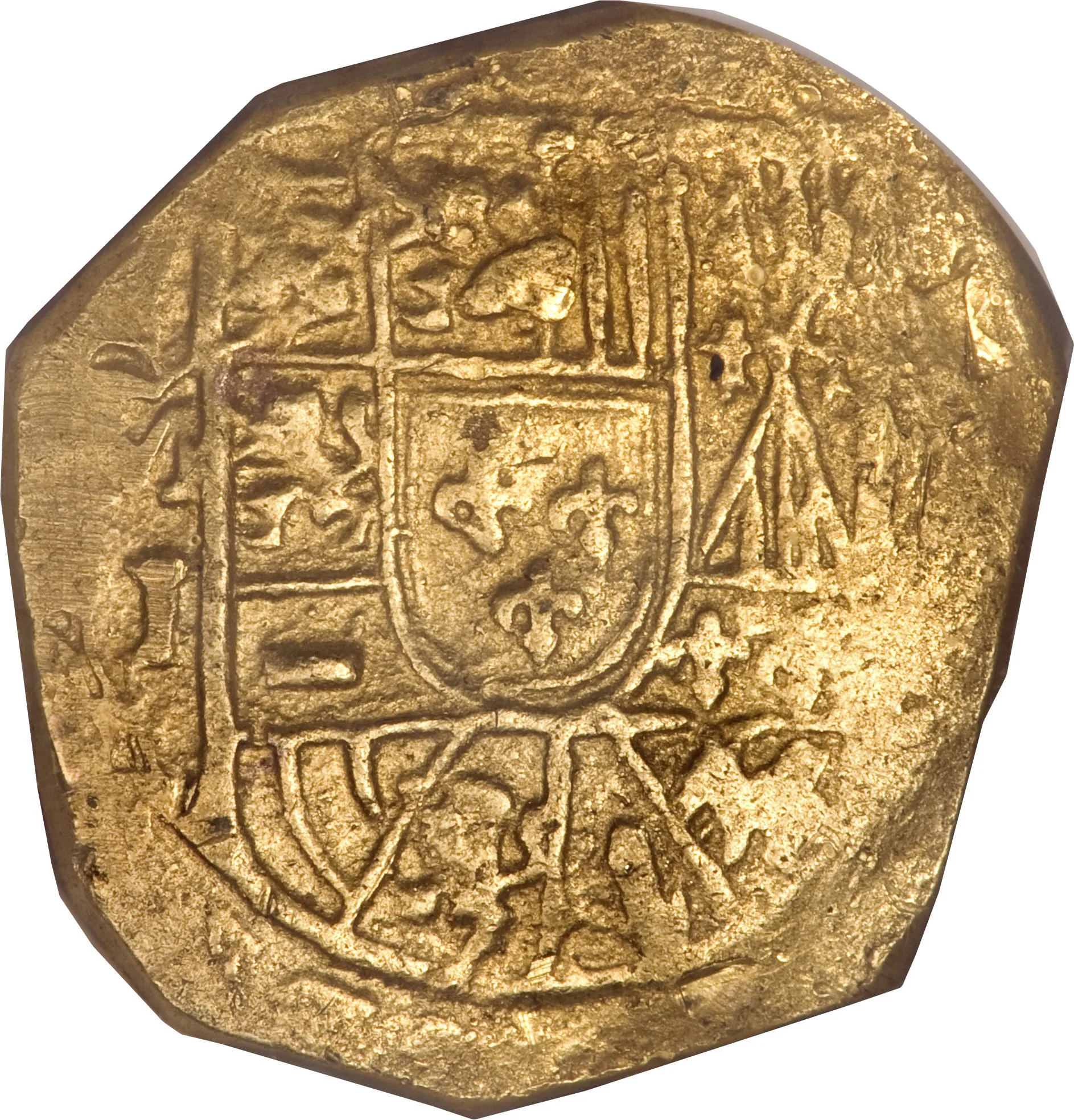
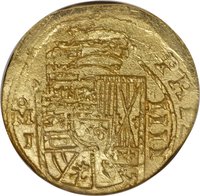
Obverse
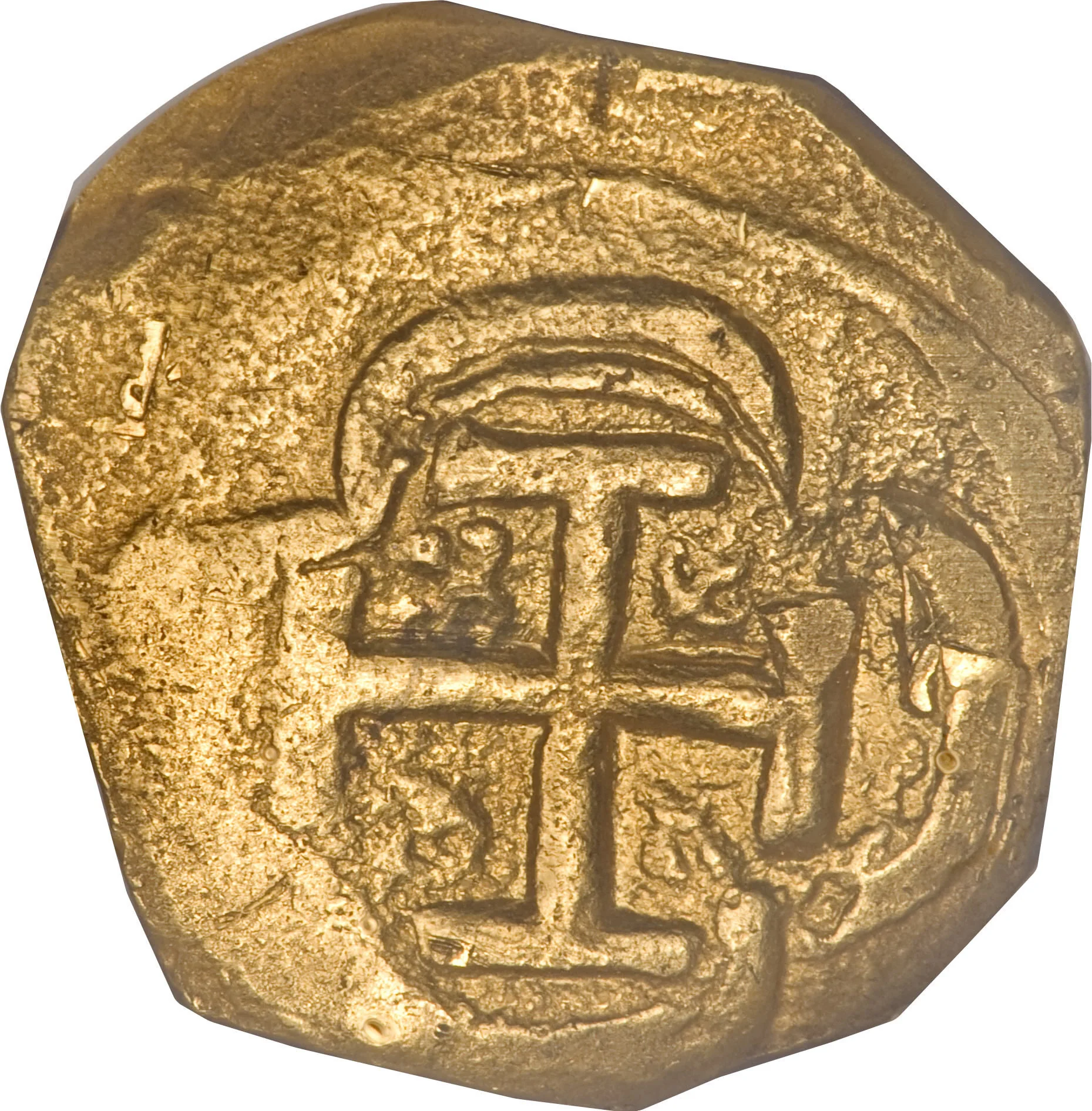
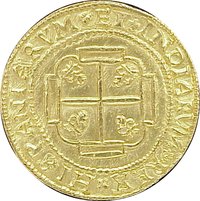
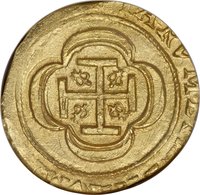
Reverse
Edge
Mints
| Name | Mark |
|---|---|
| Mexican Mint | (Mo) |
Mintings
| Year | Mint Mark | Mintage | Quality | Collection |
|---|---|---|---|---|
| 1704 | Mo | — | ||
| 1705 | Mo | — | ||
| 1707 | Mo | — | ||
| 1708 | Mo | — | ||
| 1709 | Mo | — | ||
| 1710 | Mo | — | ||
| 1711 | Mo | — | ||
| 1712 | Mo | — | ||
| 1713 | Mo | — | ||
| 1714 | Mo | — | ||
| 1717 | Mo | — | ||
| 1722 | Mo | — | ||
| 1723 | Mo | — | ||
| 1729 | Mo | — | ||
| 1731 | Mo | — |
Historical background
In 1704, the currency system of New Spain, the wealthiest viceroyalty of the Spanish Empire, was a complex and often chaotic blend of official minted coinage and a vast, unregulated sea of unofficial tokens and credit. The backbone of the system was the silver real, minted at the famed Mexico City Mint, which had been in operation since 1535. The primary coins in circulation were the silver real and its multiples, most importantly the 8-real piece, known as a "piece of eight," which was a globally recognized trade coin. Gold escudos were also minted but were less common in everyday transactions. The official bimetallic standard, however, was perpetually strained by the fluctuating market values of gold and silver.
The most pressing issue was a severe and chronic shortage of small-denomination currency for daily commerce. The Crown, focused on extracting and minting high-value silver for shipment to Spain, rarely authorized the minting of low-value copper coins (tlacos or clacos) in sufficient quantity. This vacuum was filled by a sprawling private system of moneda de necesidad (necessity money). Shopkeepers, churches, haciendas, and merchants issued their own lead, copper, or even leather tokens, redeemable only at their own establishments. This created a fragmented and unreliable local currency ecosystem, rife with fraud and causing constant friction in the markets of Mexico City and beyond.
This situation existed within the broader context of Spain's ongoing War of the Spanish Succession (1701-1714), which placed immense fiscal strain on the empire. While the war's main theaters were in Europe, its financial demands heightened the Crown's focus on the steady flow of American silver to fund its armies. Consequently, monetary reform for the internal economy of New Spain was a low priority. The year 1704 thus represents a point of entrenched dysfunction, where the colony's immense mineral wealth contrasted sharply with a dysfunctional domestic currency system, a tension that would spur eventual but limited reforms in the coming decades.
The most pressing issue was a severe and chronic shortage of small-denomination currency for daily commerce. The Crown, focused on extracting and minting high-value silver for shipment to Spain, rarely authorized the minting of low-value copper coins (tlacos or clacos) in sufficient quantity. This vacuum was filled by a sprawling private system of moneda de necesidad (necessity money). Shopkeepers, churches, haciendas, and merchants issued their own lead, copper, or even leather tokens, redeemable only at their own establishments. This created a fragmented and unreliable local currency ecosystem, rife with fraud and causing constant friction in the markets of Mexico City and beyond.
This situation existed within the broader context of Spain's ongoing War of the Spanish Succession (1701-1714), which placed immense fiscal strain on the empire. While the war's main theaters were in Europe, its financial demands heightened the Crown's focus on the steady flow of American silver to fund its armies. Consequently, monetary reform for the internal economy of New Spain was a low priority. The year 1704 thus represents a point of entrenched dysfunction, where the colony's immense mineral wealth contrasted sharply with a dysfunctional domestic currency system, a tension that would spur eventual but limited reforms in the coming decades.
✨ Legendary