

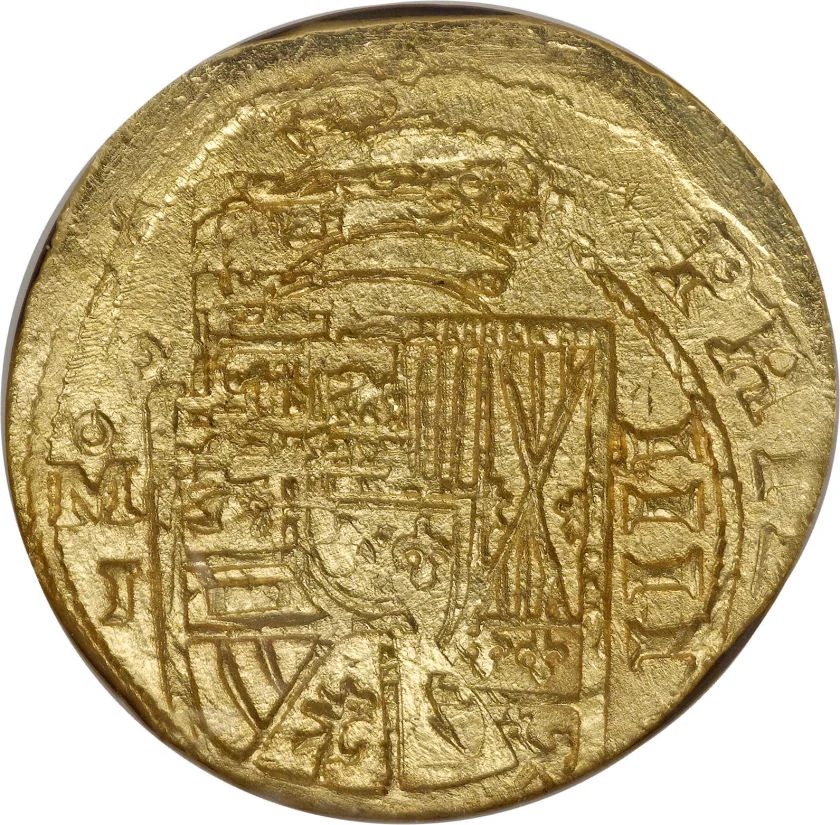
Obverse
Description:
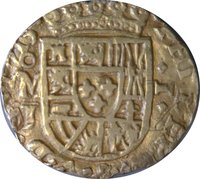
Felipe V coat of arms with legend and date. Struck on special round planchets with centered dies to demonstrate minting quality for the Viceroy or King. Mint mark M or Mo.
Inscription:
PHILIPVS V DEI G
Script: Latin
Reverse
Description:
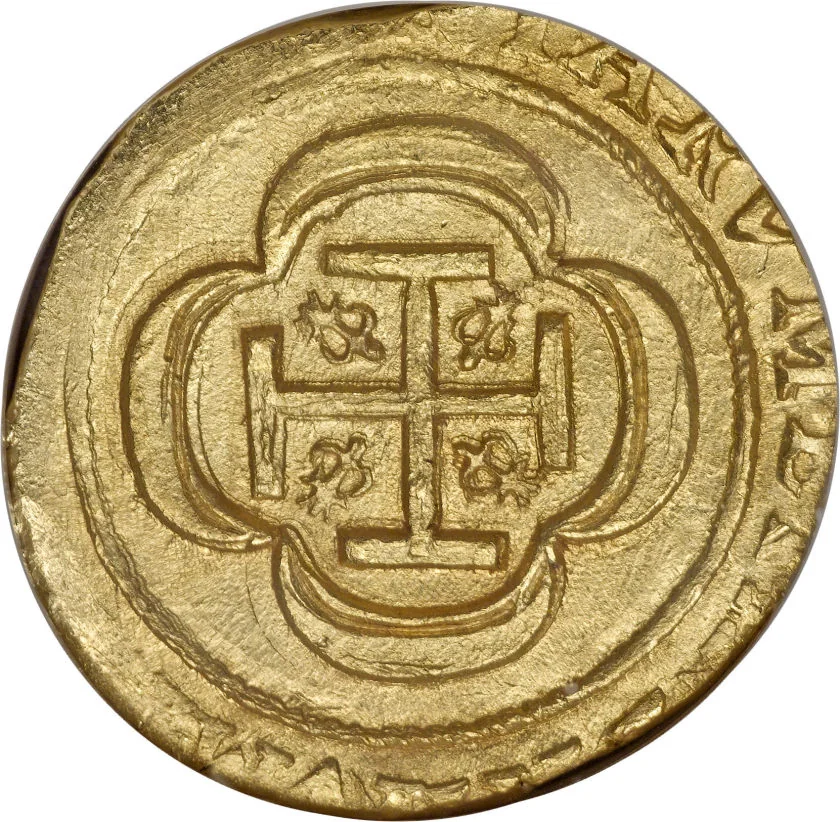
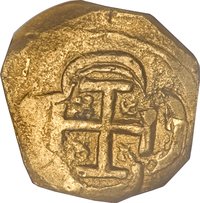
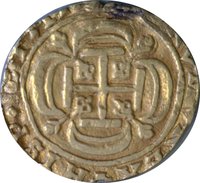
Spain's coat of arms.
Script: Latin
Edge
Mintings
| Year | Mint Mark | Mintage | Quality | Collection |
|---|---|---|---|---|
| 1711 | — | — | ||
| 1714 | — | — |
Historical background
In 1711, the currency situation in the Kingdom of New Spain was characterized by a persistent and debilitating shortage of official coinage, particularly low-denomination vellón (copper) coins used for daily transactions. This scarcity, a chronic issue throughout the Spanish Empire, stemmed from several factors: the immense outflow of silver to Spain to finance European wars and the royal court, the hoarding of specie by merchants and the Church, and the inefficiencies of the colonial minting system centered in Mexico City. The result was an economy where barter and credit were essential for local trade, while large-scale commerce relied heavily on silver pesos and gold escudos, which were often in short supply for the general populace.
To fill the void, a widespread and semi-tolerated system of substitute currency emerged. These included tlacos (lead or copper tokens issued by merchants or haciendas), pilones (promissory notes), and even cacao beans in some regions. While pragmatic, this practice was economically problematic. The value of these tokens was highly localized and unreliable, leading to frequent fraud and disputes. Furthermore, the proliferation of debased and counterfeit coins, both imported from abroad and produced locally, eroded public trust in the monetary system and complicated tax collection for the Crown.
The royal authorities, recognizing the disorder, were caught in a dilemma. They periodically attempted crackdowns on unofficial currencies through royal decrees (cédulas), but these efforts were largely futile due to the sheer economic necessity of the tokens and the vastness of the territory. The fundamental solution—increasing the minting of small-denomination coinage—was hampered by bureaucratic inertia, a lack of copper, and the Crown's primary focus on extracting American silver for its European treasury rather than ensuring a stable internal economy for its colonies. Thus, in 1711, New Spain operated with a dual and dysfunctional monetary system: an official one of scarce precious metal and an unofficial, chaotic one of necessity that fueled local commerce but also instability.
To fill the void, a widespread and semi-tolerated system of substitute currency emerged. These included tlacos (lead or copper tokens issued by merchants or haciendas), pilones (promissory notes), and even cacao beans in some regions. While pragmatic, this practice was economically problematic. The value of these tokens was highly localized and unreliable, leading to frequent fraud and disputes. Furthermore, the proliferation of debased and counterfeit coins, both imported from abroad and produced locally, eroded public trust in the monetary system and complicated tax collection for the Crown.
The royal authorities, recognizing the disorder, were caught in a dilemma. They periodically attempted crackdowns on unofficial currencies through royal decrees (cédulas), but these efforts were largely futile due to the sheer economic necessity of the tokens and the vastness of the territory. The fundamental solution—increasing the minting of small-denomination coinage—was hampered by bureaucratic inertia, a lack of copper, and the Crown's primary focus on extracting American silver for its European treasury rather than ensuring a stable internal economy for its colonies. Thus, in 1711, New Spain operated with a dual and dysfunctional monetary system: an official one of scarce precious metal and an unofficial, chaotic one of necessity that fueled local commerce but also instability.
✨ Legendary