

8 Reales – New Spain
Mexico
Context
Years: 1760–1771
Country: Mexico 
Issuer: New Spain
Ruler: Charles III
Currency:
(1535—1897)
Demonetized: Yes
Material
References
KM: #Click to copy to clipboard105
Numista: #15073
Value
Bullion value: $71.05
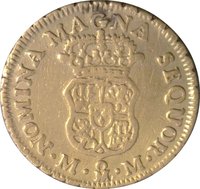
Obverse
Description:
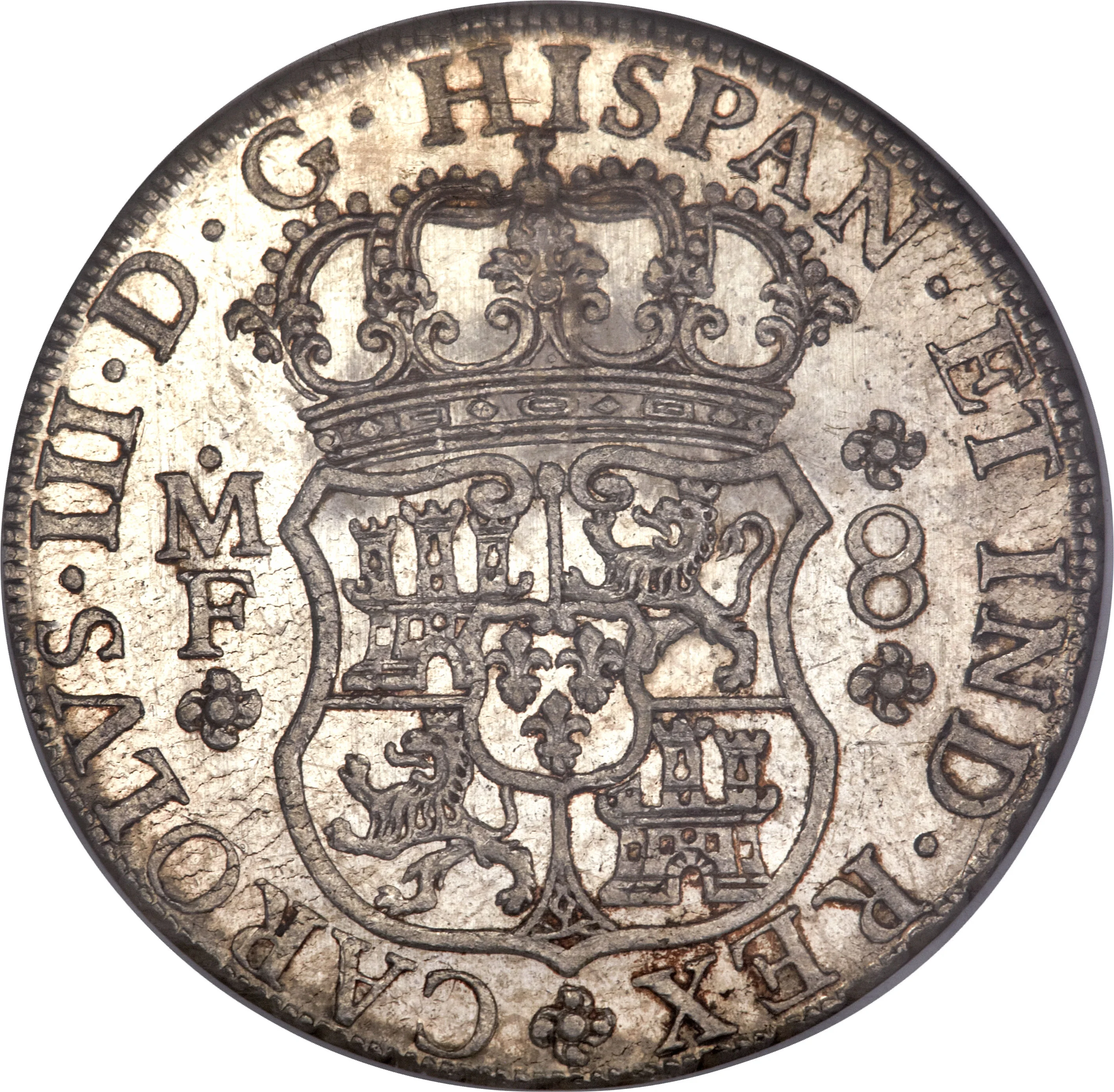
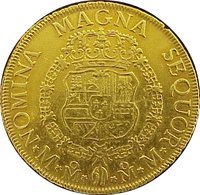
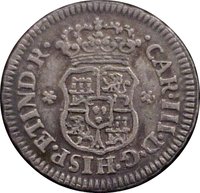
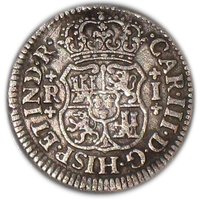
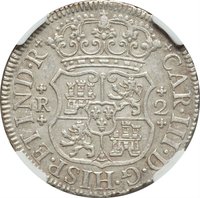
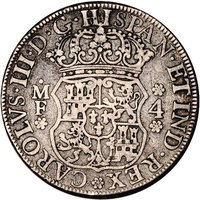
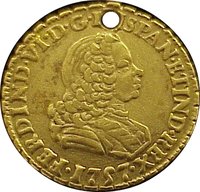
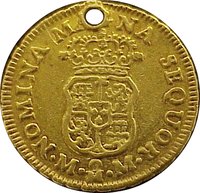
Shield with crown, initials, and value.
Inscription:
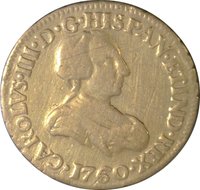
CAROLVS · III · D · G · HISPAN · ET IND · REX *
.
M *
F 8
* *
.
M *
F 8
* *
Script: Latin
Reverse
Description:
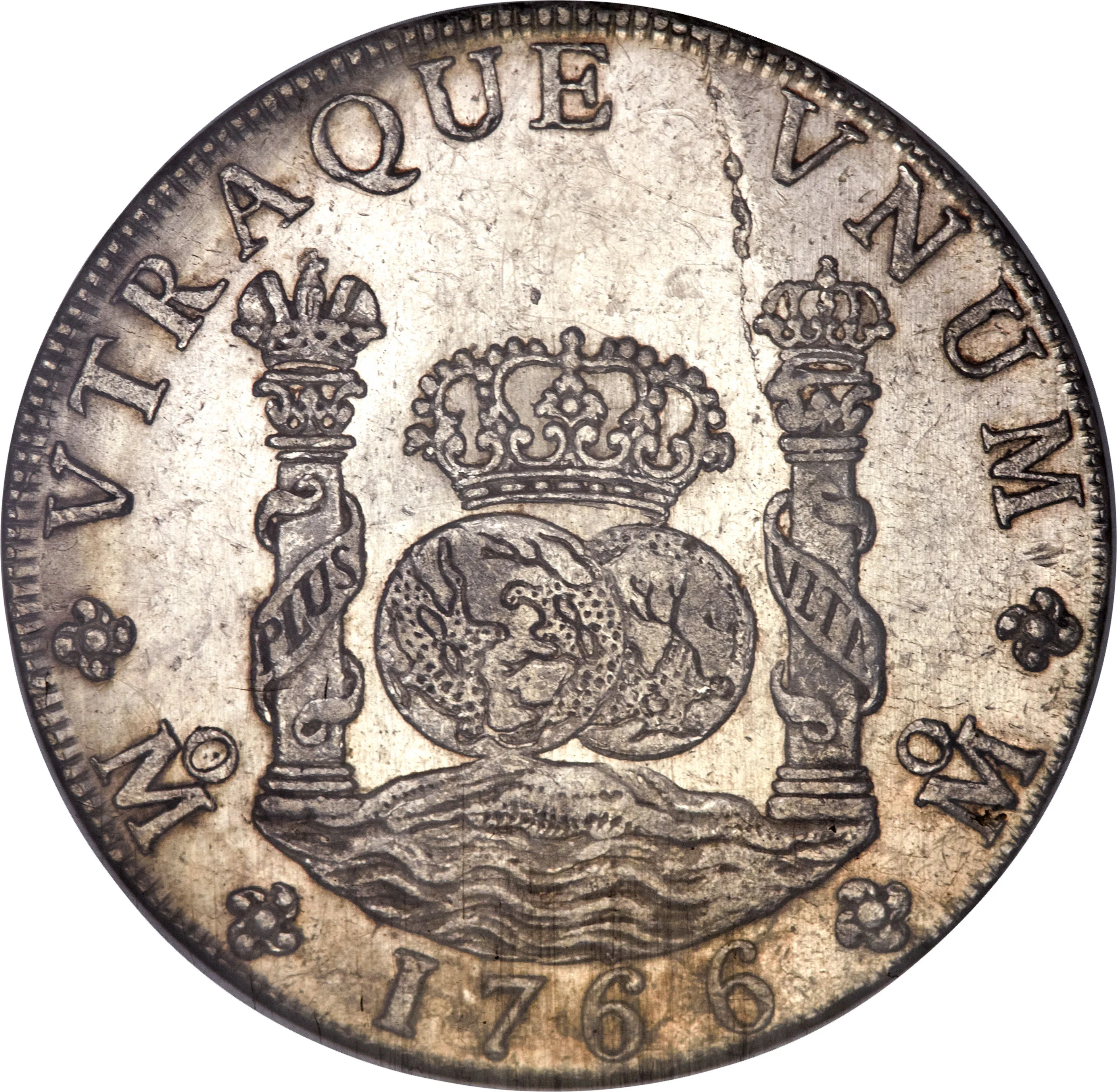
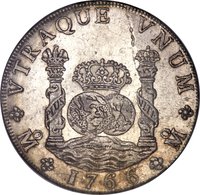
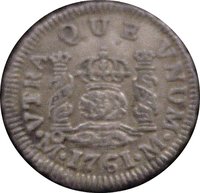
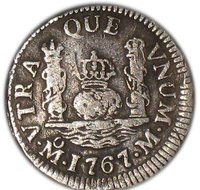
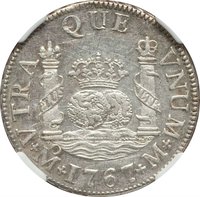
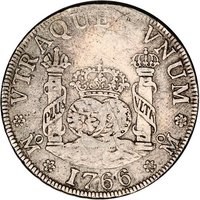
Crowned hemispheres between crowned pillars.
Inscription:
VTRAQUE VNUM
PLUS VLTR
Mo * 1762 * Mo
PLUS VLTR
Mo * 1762 * Mo
Script: Latin
Edge
© David Mikeladze
Mints
| Name | Mark |
|---|---|
| Mexican Mint | — |
Mintings
| Year | Mint Mark | Mintage | Quality | Collection |
|---|---|---|---|---|
| 1760 | MM | — | ||
| 1761 | MM | — | ||
| 1762 | MF | — | ||
| 1762 | MM | — | ||
| 1763 | MF | — | ||
| 1763 | MM | — | ||
| 1764 | MF | — | ||
| 1765 | MF | — | ||
| 1766 | MF | — | ||
| 1767 | MF | — | ||
| 1768 | MF | — | ||
| 1769 | MF | — | ||
| 1770 | MF | — | ||
| 1770 | FM | — | ||
| 1771 | FM | — |
Historical background
By 1760, the currency system in the Viceroyalty of New Spain was a complex and often chaotic blend of official royal policy and local necessity. The primary unit was the silver real, with eight reales equaling one peso (often called the "piece of eight"), a coin renowned for its high purity and which served as a de facto global currency. The crown mint in Mexico City produced vast quantities of silver coins, fueled by the prolific mines of regions like Zacatecas and Guanajuato, making New Spain the financial heart of the Spanish Empire. However, a chronic shortage of small-denomination coins for everyday transactions plagued the economy. To fill this void, a widespread and tolerated system of tlacos—token coins often made of copper or base metals issued by merchants, municipalities, and even churches—circulated locally, though they were frequently unreliable and a source of confusion.
This period also saw the increasing intrusion of foreign coins, particularly from Spain's rivals. Despite strict mercantilist laws forbidding it, Spanish American silver pesos were the lifeblood of international trade and flowed out to settle debts in Europe and to purchase illicit goods from British, French, and Dutch traders. Simultaneously, gold and silver coins from these foreign nations, especially Portuguese and French coins, entered New Spain through trade and smuggling, further complicating the monetary landscape. The Spanish crown, perpetually concerned with controlling wealth and preventing fraud, struggled to manage this influx and the proliferation of unofficial tokens.
The year 1760 falls just before a period of significant Bourbon Reforms aimed at centralizing and rationalizing the empire's administration. The currency situation, while functional in moving silver from mines to the royal coffers, was recognized as inefficient and prone to abuse. The widespread use of tlacos and the circulation of foreign coins highlighted the gap between royal authority and local economic reality. This unstable foundation would soon prompt the crown to attempt major overhauls, including efforts to introduce official copper coinage to standardize small change and stricter enforcement of minting regulations, setting the stage for monetary reforms in the decades to follow.
This period also saw the increasing intrusion of foreign coins, particularly from Spain's rivals. Despite strict mercantilist laws forbidding it, Spanish American silver pesos were the lifeblood of international trade and flowed out to settle debts in Europe and to purchase illicit goods from British, French, and Dutch traders. Simultaneously, gold and silver coins from these foreign nations, especially Portuguese and French coins, entered New Spain through trade and smuggling, further complicating the monetary landscape. The Spanish crown, perpetually concerned with controlling wealth and preventing fraud, struggled to manage this influx and the proliferation of unofficial tokens.
The year 1760 falls just before a period of significant Bourbon Reforms aimed at centralizing and rationalizing the empire's administration. The currency situation, while functional in moving silver from mines to the royal coffers, was recognized as inefficient and prone to abuse. The widespread use of tlacos and the circulation of foreign coins highlighted the gap between royal authority and local economic reality. This unstable foundation would soon prompt the crown to attempt major overhauls, including efforts to introduce official copper coinage to standardize small change and stricter enforcement of minting regulations, setting the stage for monetary reforms in the decades to follow.
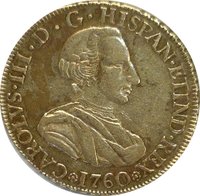
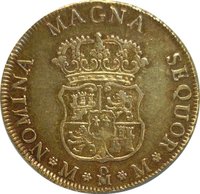
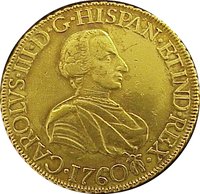
Series: 1760 New Spain circulation coins
🌟 Uncommon