

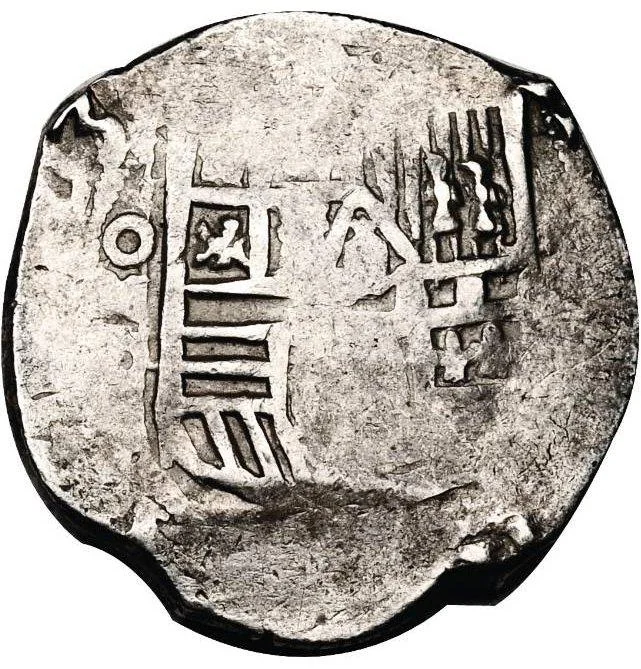
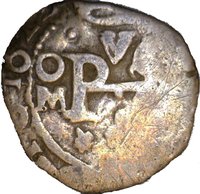
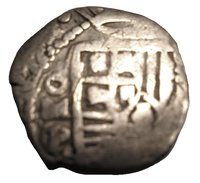
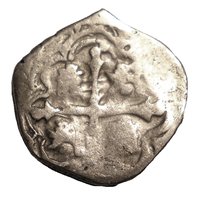
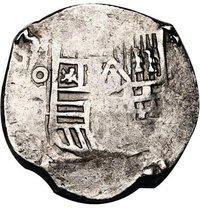
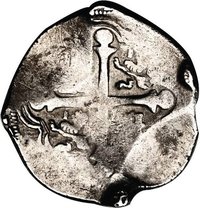
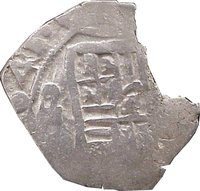
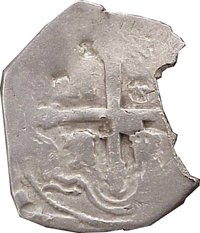
Obverse
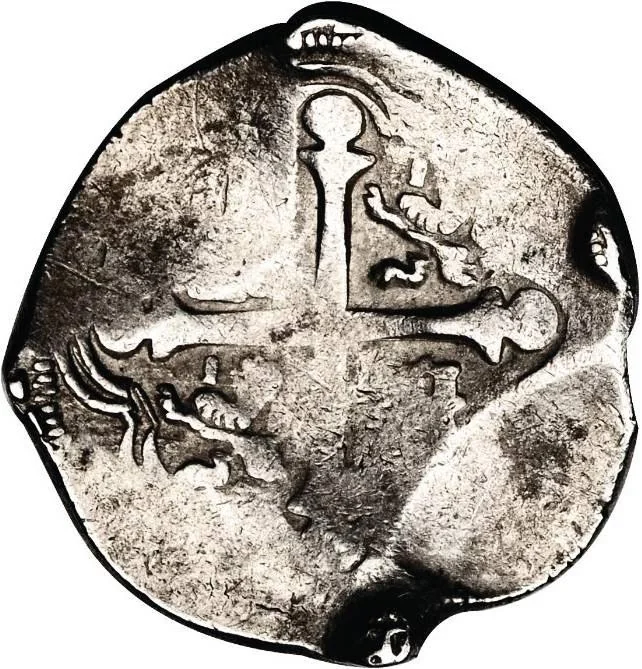
Reverse
Edge
Mintings
| Year | Mint Mark | Mintage | Quality | Collection |
|---|---|---|---|---|
| 1622 | D | — | ||
| 1623 | D | — | ||
| 1623 | P | — | ||
| 1624 | D | — | ||
| 1629 | D | — | ||
| 1631 | D | — | ||
| 1632 | D | — | ||
| 1636 | D | — | ||
| 1636 | P | — | ||
| 1639 | P | — | ||
| 1643 | P | — | ||
| 1644 | P | — | ||
| 1648 | P | — | ||
| 1649 | P | — | ||
| 1650 | P | — | ||
| 1651 | P | — | ||
| 1652 | P | — | ||
| 1653 | P | — | ||
| 1654 | P | — | ||
| 1655 | P | — | ||
| 1656 | P | — | ||
| 1657 | P | — | ||
| 1658 | P | — | ||
| 1661 | P | — | ||
| 1665 | P | — |
Historical background
In 1622, the currency system of New Spain, centered in Mexico City, was a complex and increasingly strained apparatus. The backbone of the economy was silver, with the legendary mines like Potosí (in Peru) and Zacatecas producing vast quantities of the precious metal. The primary coin was the silver real, with eight reales making the famous "piece of eight" (peso). This coin was a globally accepted currency, fueling not only local commerce but also the trans-Pacific trade with Manila and the vital lifeline of the Spanish treasure fleets that carried American silver to Seville. However, the system was plagued by a chronic shortage of small-denomination coins for everyday transactions, leading to the widespread practice of cutting pesos into fractional bits, literally "pieces of eight."
This physical scarcity was exacerbated by severe macroeconomic pressures. The Crown, perpetually bankrupt from European wars, demanded ever-larger remittances of silver, draining coin from the colony. Furthermore, a profound currency crisis was unfolding in Spain itself, leading to the 1627 decree that would drastically reduce the silver content in the vellón (copper) coinage circulating in the Peninsula. While this decree was still in the future, its causes—debasement and inflation—were already creating monetary anxiety. In New Spain, this manifested in a growing distrust of copper tlacos (token currency issued by merchants and municipalities) and a hoarding of high-quality silver pesos, worsening the circulation problem.
Consequently, the Viceroyalty operated with a dual and unstable monetary reality. On one hand, it was the heart of the world's richest silver mining region, producing the planet's most coveted and reliable coin. On the other, its internal economy suffered from a dysfunctional petty coinage system, inflationary pressures from increased mining output, and the looming specter of Crown fiscal policies that prioritized extracting wealth over maintaining a stable colonial currency. This tension between New Spain's global silver abundance and its local monetary scarcity defined the financial landscape of 1622.
This physical scarcity was exacerbated by severe macroeconomic pressures. The Crown, perpetually bankrupt from European wars, demanded ever-larger remittances of silver, draining coin from the colony. Furthermore, a profound currency crisis was unfolding in Spain itself, leading to the 1627 decree that would drastically reduce the silver content in the vellón (copper) coinage circulating in the Peninsula. While this decree was still in the future, its causes—debasement and inflation—were already creating monetary anxiety. In New Spain, this manifested in a growing distrust of copper tlacos (token currency issued by merchants and municipalities) and a hoarding of high-quality silver pesos, worsening the circulation problem.
Consequently, the Viceroyalty operated with a dual and unstable monetary reality. On one hand, it was the heart of the world's richest silver mining region, producing the planet's most coveted and reliable coin. On the other, its internal economy suffered from a dysfunctional petty coinage system, inflationary pressures from increased mining output, and the looming specter of Crown fiscal policies that prioritized extracting wealth over maintaining a stable colonial currency. This tension between New Spain's global silver abundance and its local monetary scarcity defined the financial landscape of 1622.
✨ Legendary