

1 Rupee – Mughal Empire
India
Context
Years: 1680–1707
Country: India 
Issuer: Mughal Empire
Ruler: Aurangzeb
Currency:
(1540—1842)
Demonetized: Yes
Material
References
KM: #Click to copy to clipboard300.52
Numista: #149577
Value
Bullion value: $32.34
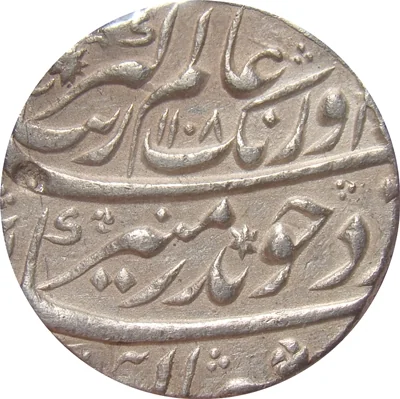
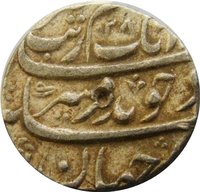
Obverse
Description:
Badr Munir couplet, AH date.
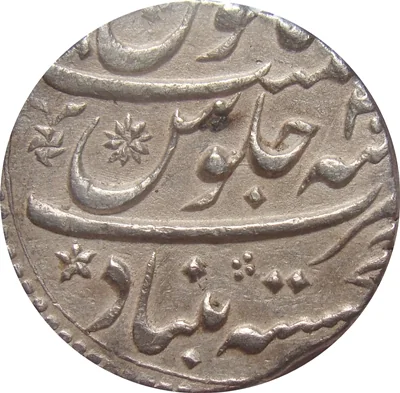
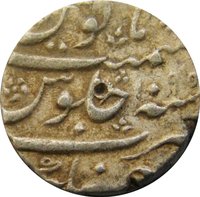
Reverse
Description:
Mint, regnal year.
Edge
Mintings
| Year | Mint Mark | Mintage | Quality | Collection |
|---|---|---|---|---|
| 1680 | — | — | ||
| 1683 | — | — | ||
| 1685 | — | — | ||
| 1689 | — | — | ||
| 1690 | — | — | ||
| 1691 | — | — | ||
| 1692 | — | — | ||
| 1695 | — | — | ||
| 1696 | — | — | ||
| 1697 | — | — | ||
| 1698 | — | — | ||
| 1699 | — | — | ||
| 1700 | — | — | ||
| 1701 | — | — | ||
| 1702 | — | — | ||
| 1704 | — | — | ||
| 1705 | — | — | ||
| 1706 | — | — | ||
| 1707 | — | — |
Historical background
By 1680, the Mughal Empire under Emperor Aurangzeb was at its territorial zenith, and its currency system reflected a mature and highly standardized imperial economy. The backbone of this system was the silver rupee, a coin of remarkable purity and consistency established by Akbar and maintained by his successors. Minted from almost pure silver, the rupee was the primary unit for revenue assessment, large-scale trade, and state expenditure. It was complemented by the gold mohur, used for hoarding, high-value transactions, and ceremonial purposes, and the copper dam, the essential small-change currency for everyday bazaars and local trade. This trimetallic system, supported by a network of imperial mints (mints) across the subcontinent, facilitated both a vast internal market and India's booming export trade in textiles and spices.
The monetary landscape, however, was showing early signs of the strains that would later intensify. Aurangzeb's prolonged and costly military campaigns in the Deccan, aimed at crushing the Maratha Confederacy and the Sultanates of Bijapur and Golconda, placed enormous fiscal pressure on the treasury. While not yet in crisis by 1680, this expenditure began to slowly drain the imperial reserves of precious metals. Furthermore, the empire's immense wealth attracted a flood of New World silver, primarily from Spanish America via European trading companies, which was vital for minting rupees. Any disruption to this flow—or a diversion of silver to fund war—could threaten the money supply's stability.
Administratively, the currency system remained robust, with strict imperial control over coinage design, weight, and purity to maintain public trust. Yet, the economic heart was gradually shifting. The rise of powerful mercantile communities and banking houses, such as the Gujarati shroffs, was crucial. They not only facilitated tax collection and money transfers through hundis (bills of exchange) but also began to exert significant influence over credit and liquidity. Thus, in 1680, the Mughal currency was a pillar of imperial power, but its foundations were being subtly tested by the costs of expansion and the growing financial clout of non-state actors.
The monetary landscape, however, was showing early signs of the strains that would later intensify. Aurangzeb's prolonged and costly military campaigns in the Deccan, aimed at crushing the Maratha Confederacy and the Sultanates of Bijapur and Golconda, placed enormous fiscal pressure on the treasury. While not yet in crisis by 1680, this expenditure began to slowly drain the imperial reserves of precious metals. Furthermore, the empire's immense wealth attracted a flood of New World silver, primarily from Spanish America via European trading companies, which was vital for minting rupees. Any disruption to this flow—or a diversion of silver to fund war—could threaten the money supply's stability.
Administratively, the currency system remained robust, with strict imperial control over coinage design, weight, and purity to maintain public trust. Yet, the economic heart was gradually shifting. The rise of powerful mercantile communities and banking houses, such as the Gujarati shroffs, was crucial. They not only facilitated tax collection and money transfers through hundis (bills of exchange) but also began to exert significant influence over credit and liquidity. Thus, in 1680, the Mughal currency was a pillar of imperial power, but its foundations were being subtly tested by the costs of expansion and the growing financial clout of non-state actors.
✨ Legendary