

Iran
Context

Material
Diameter: 23.41 mm
Weight: 7.4 g
Silver weight: 7.40 g
Thickness: 1.81 mm
Shape: Irregular round
Composition: Silver
Magnetic: No
Technique: Hammered
References
KM: #Click to copy to clipboard258.8
Numista: #149185
Value
Bullion value: $21.33
Obverse
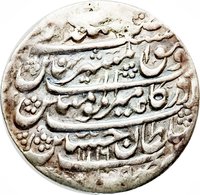
Description:
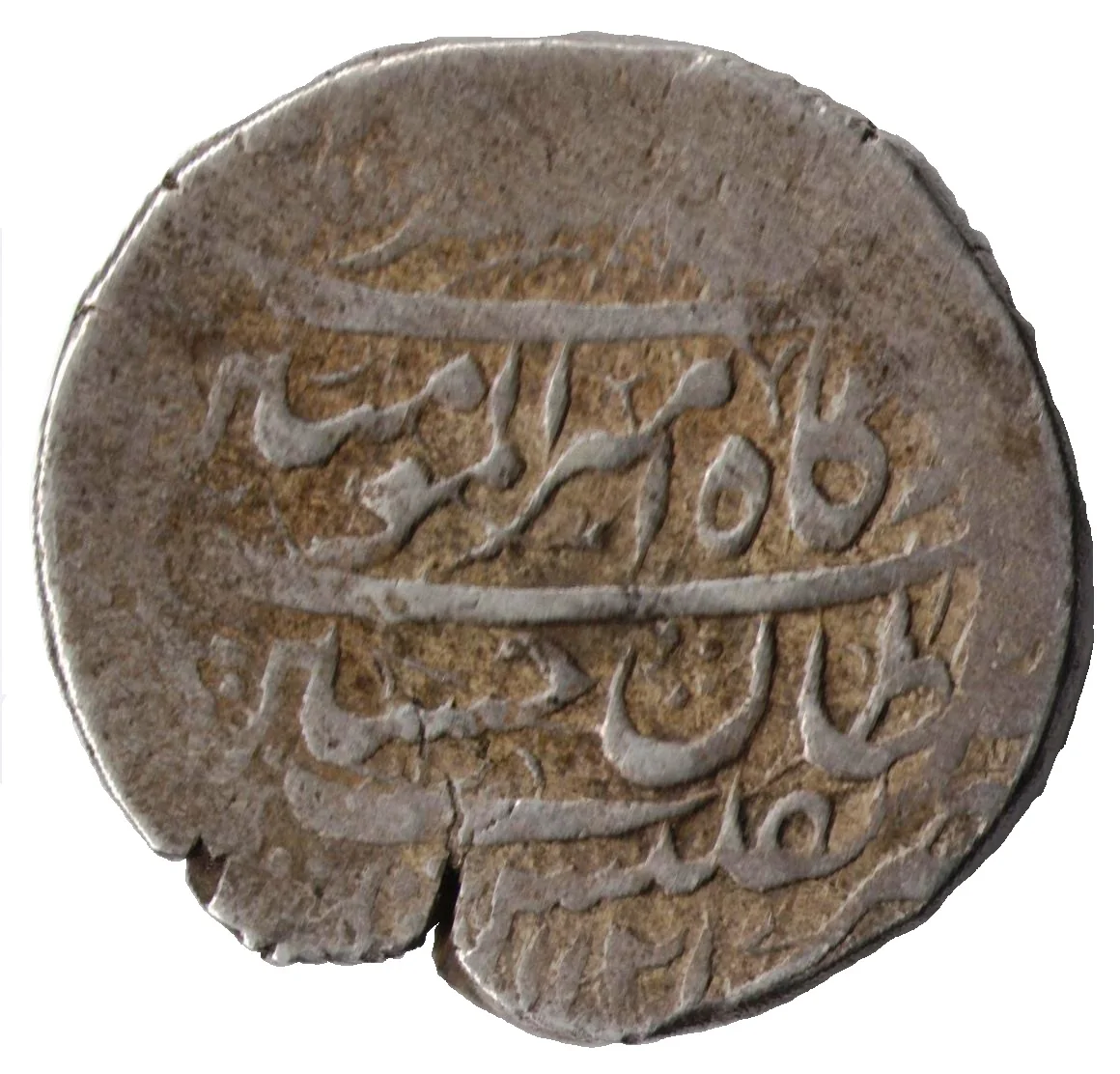
4-line Persian inscription with mint and date.
Reverse
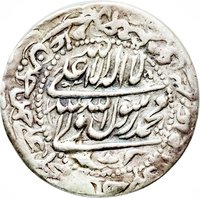
Description:
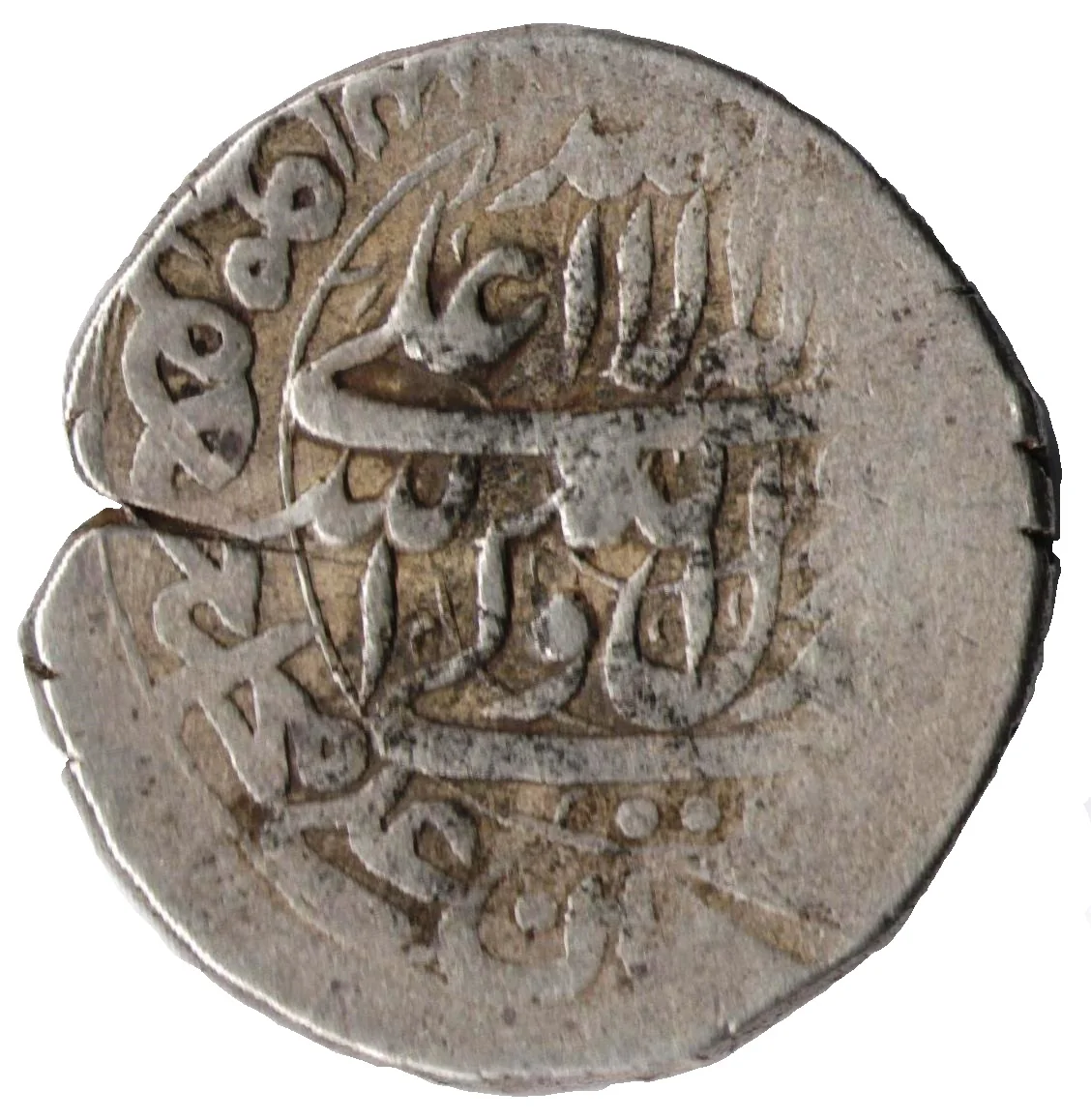
Shia kalima encircled by the Twelve Imams' names.
Edge
Hammered
Mints
| Name | Mark |
|---|---|
| Tiflis | — |
Mintings
| Year | Mint Mark | Mintage | Quality | Collection |
|---|---|---|---|---|
| 1695 | — | — | ||
| 1696 | — | — | ||
| 1697 | — | — | ||
| 1698 | — | — | ||
| 1699 | — | — | ||
| 1700 | — | — | ||
| 1701 | — | — | ||
| 1702 | — | — | ||
| 1703 | — | — | ||
| 1704 | — | — | ||
| 1705 | — | — | ||
| 1706 | — | — | ||
| 1707 | — | — | ||
| 1708 | — | — | ||
| 1708 | — | — | ||
| 1709 | — | — | ||
| 1711 | — | — | ||
| 1712 | — | — |
Historical background
In 1695, Iran under the Safavid dynasty was grappling with a severe monetary crisis rooted in both internal mismanagement and external pressures. The primary currency was the silver abbasi, but its value and supply were highly unstable. A critical factor was the massive outflow of silver bullion to pay for imports from the Dutch East India Company (VOC) and English East India Company (EIC), particularly for Indian textiles and spices. This chronic trade deficit drained the country's silver reserves, which were not replenished by significant domestic mining, leading to a critical shortage of minted coinage.
Compounding this drain was the debasement of the coinage by the state. Facing fiscal shortfalls, especially to fund military campaigns and a lavish court, Shah Sultan Husayn (r. 1694–1722) and his officials resorted to reducing the silver content of newly minted abbasis. This practice, often conducted at the royal mints, eroded public trust in the currency. The result was a chaotic monetary environment where old, purer coins were hoarded (following Gresham's Law), while the new, inferior coins circulated at a discounted market value, causing price inflation and economic hardship for the populace.
The situation was exacerbated by administrative decentralization and corruption. Provincial governors and mint masters frequently engaged in unauthorized debasement for personal profit, further fragmenting the currency system. The government's attempts to fix prices and force acceptance of the bad coinage only deepened market distortions and social discontent. This financial instability, occurring just years into Sultan Husayn's weak reign, was a significant symptom of the broader Safavid decline, undermining the economy and the social contract at a time when the empire was becoming increasingly vulnerable to external threats.
Compounding this drain was the debasement of the coinage by the state. Facing fiscal shortfalls, especially to fund military campaigns and a lavish court, Shah Sultan Husayn (r. 1694–1722) and his officials resorted to reducing the silver content of newly minted abbasis. This practice, often conducted at the royal mints, eroded public trust in the currency. The result was a chaotic monetary environment where old, purer coins were hoarded (following Gresham's Law), while the new, inferior coins circulated at a discounted market value, causing price inflation and economic hardship for the populace.
The situation was exacerbated by administrative decentralization and corruption. Provincial governors and mint masters frequently engaged in unauthorized debasement for personal profit, further fragmenting the currency system. The government's attempts to fix prices and force acceptance of the bad coinage only deepened market distortions and social discontent. This financial instability, occurring just years into Sultan Husayn's weak reign, was a significant symptom of the broader Safavid decline, undermining the economy and the social contract at a time when the empire was becoming increasingly vulnerable to external threats.
✨ Legendary