

Iran
Context

Material
Weight: 1.84 g
Silver weight: 1.84 g
Shape: Irregular round
Composition: Silver
Magnetic: No
Technique: Hammered
References
KM: #Click to copy to clipboard256.3
Numista: #62417
Value
Bullion value: $5.32
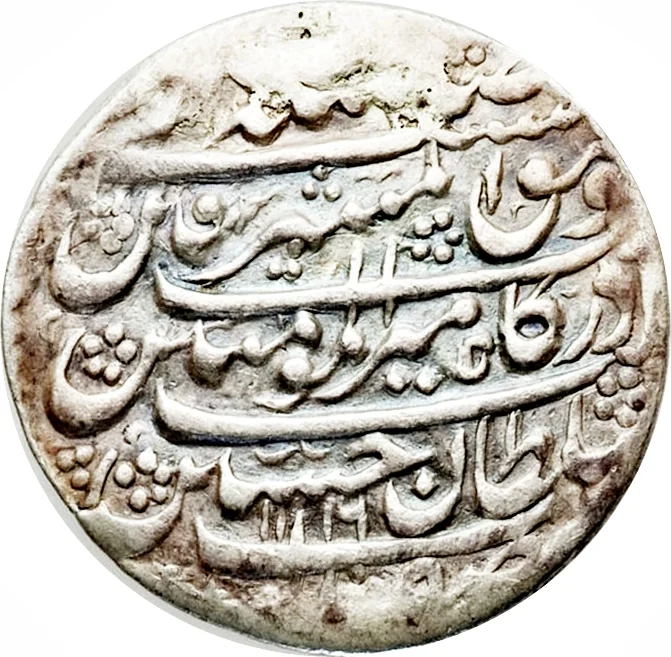
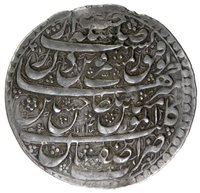
Obverse
Inscription:
گشت صاحب سکه از توفیق رب المشرقین
کلب درگاه امیرالمومنین سلطان حسین
ضرب اصفهان ۱۱١٦
کلب درگاه امیرالمومنین سلطان حسین
ضرب اصفهان ۱۱١٦
Script: Persian (nastaliq)
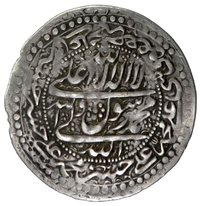
Reverse
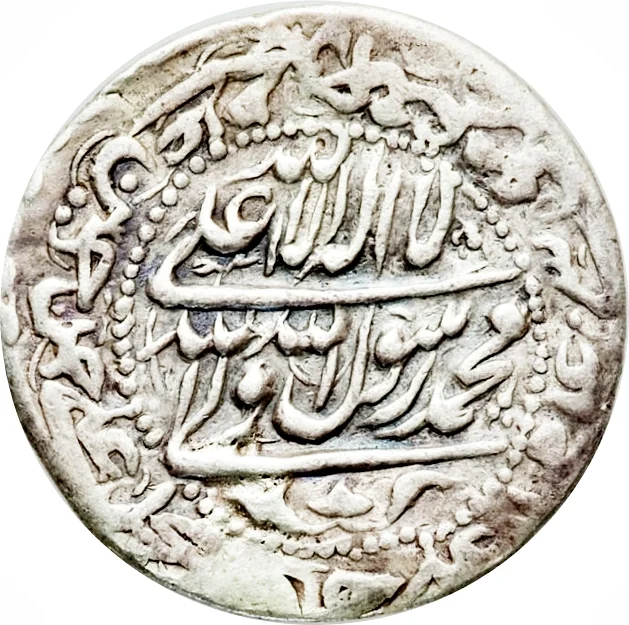
Inscription:
لا اله الا الله
محمد رسول الله
علی ولی الله
علی حسن حسین علی محمد جعفر موسی علی محمد علی حسن محمد
محمد رسول الله
علی ولی الله
علی حسن حسین علی محمد جعفر موسی علی محمد علی حسن محمد
Scripts: Arabic (thuluth), Persian (nastaliq)
Edge
Plain
Mints
| Name | Mark |
|---|---|
| Isfahan | اصفهان |
Mintings
| Year | Mint Mark | Mintage | Quality | Collection |
|---|---|---|---|---|
| 1698 | — | — | ||
| 1699 | — | — | ||
| 1701 | — | — | ||
| 1705 | — | — |
Historical background
In 1698, Iran was under the rule of the Safavid dynasty, specifically during the latter part of the reign of Sultan Husayn (1694–1722). The national currency system was based on the silver ʿabbāsi (worth 200 dinars), alongside other coins like the shāhi (50 dinars) and the mahmūdi (100 dinars). However, the period was marked by severe monetary instability and a critical shortage of specie, particularly silver. This scarcity was largely due to a chronic negative balance of trade, as the demand for imported Indian and European goods drained silver from the country, while exports like silk failed to generate sufficient bullion inflows.
The currency crisis was exacerbated by widespread debasement and poor minting practices. Provincial governors and mint masters, often operating with considerable autonomy, frequently reduced the silver content in coins to generate short-term revenue. This led to a proliferation of coins of varying purity and weight, causing confusion in commerce and a loss of public trust in the currency. The situation was further complicated by the circulation of a vast array of foreign coins—including Ottoman, Mughal, Dutch, and Venetian currencies—which were often preferred in trade due to their more reliable metallic content.
This monetary deterioration reflected and accelerated the broader decline of the Safavid state. A weak central treasury, coupled with extravagant court expenditure and declining administrative control, prevented any effective monetary reform. The currency chaos of 1698 thus contributed to internal economic distress, hampering trade and taxation, and foreshadowed the greater political and military collapse that would culminate in the Afghan invasion and the dynasty's fall in 1722.
The currency crisis was exacerbated by widespread debasement and poor minting practices. Provincial governors and mint masters, often operating with considerable autonomy, frequently reduced the silver content in coins to generate short-term revenue. This led to a proliferation of coins of varying purity and weight, causing confusion in commerce and a loss of public trust in the currency. The situation was further complicated by the circulation of a vast array of foreign coins—including Ottoman, Mughal, Dutch, and Venetian currencies—which were often preferred in trade due to their more reliable metallic content.
This monetary deterioration reflected and accelerated the broader decline of the Safavid state. A weak central treasury, coupled with extravagant court expenditure and declining administrative control, prevented any effective monetary reform. The currency chaos of 1698 thus contributed to internal economic distress, hampering trade and taxation, and foreshadowed the greater political and military collapse that would culminate in the Afghan invasion and the dynasty's fall in 1722.
✨ Legendary