

Sweden

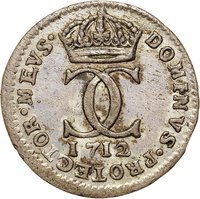
Obverse
Description:
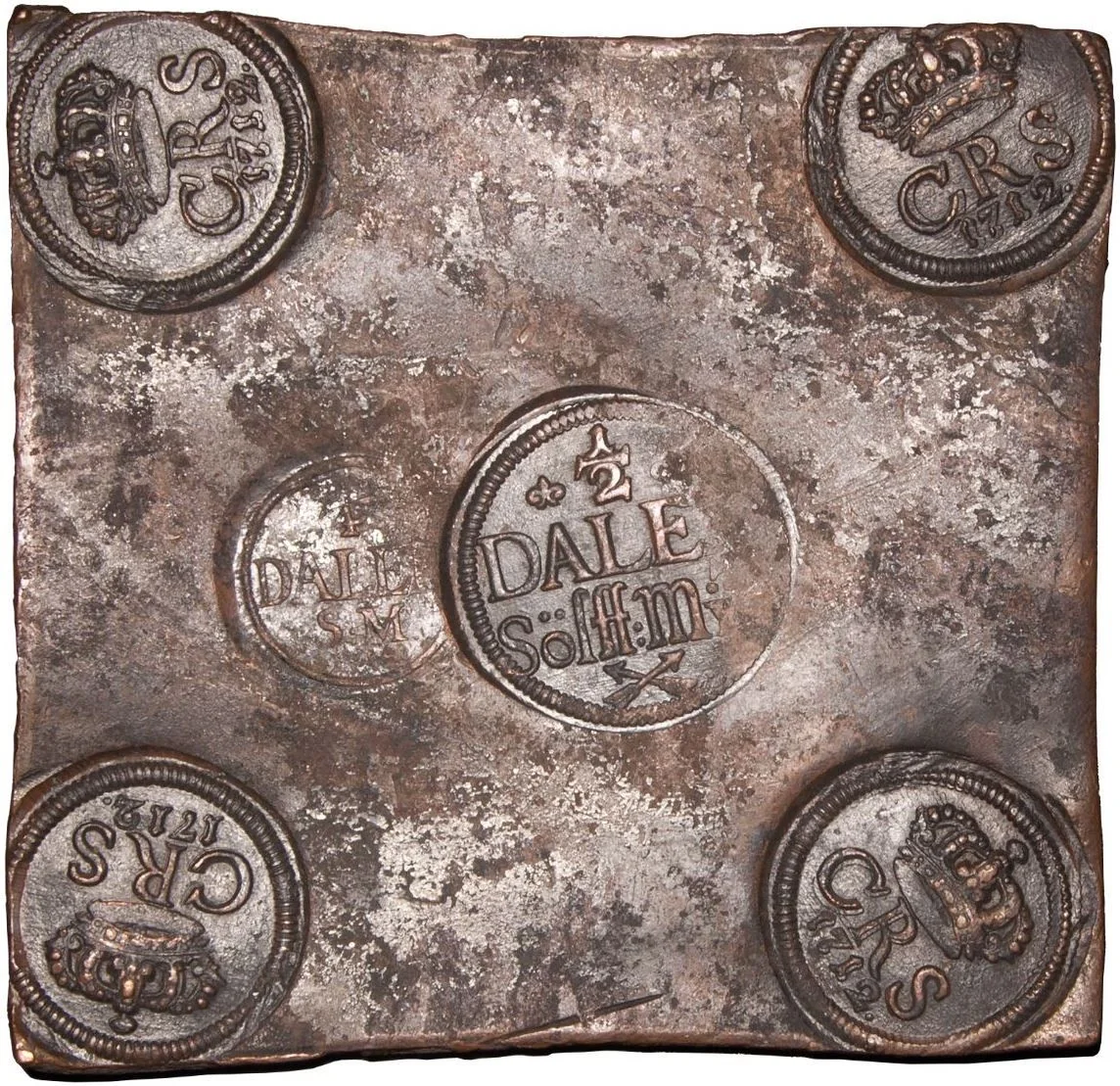
3/4 Daler SM 1718. Corner stamps: Crowned monogram and date. Centre: Value over crossed arrows. Countermarked value.
Inscription:
Corner stamps:
CRS
1712
Centre stamp:
*1/2*
DALER
Sölff:Mÿf
Counterstamp:
3/4
DALER
S:M
1718
CRS
1712
Centre stamp:
*1/2*
DALER
Sölff:Mÿf
Counterstamp:
3/4
DALER
S:M
1718
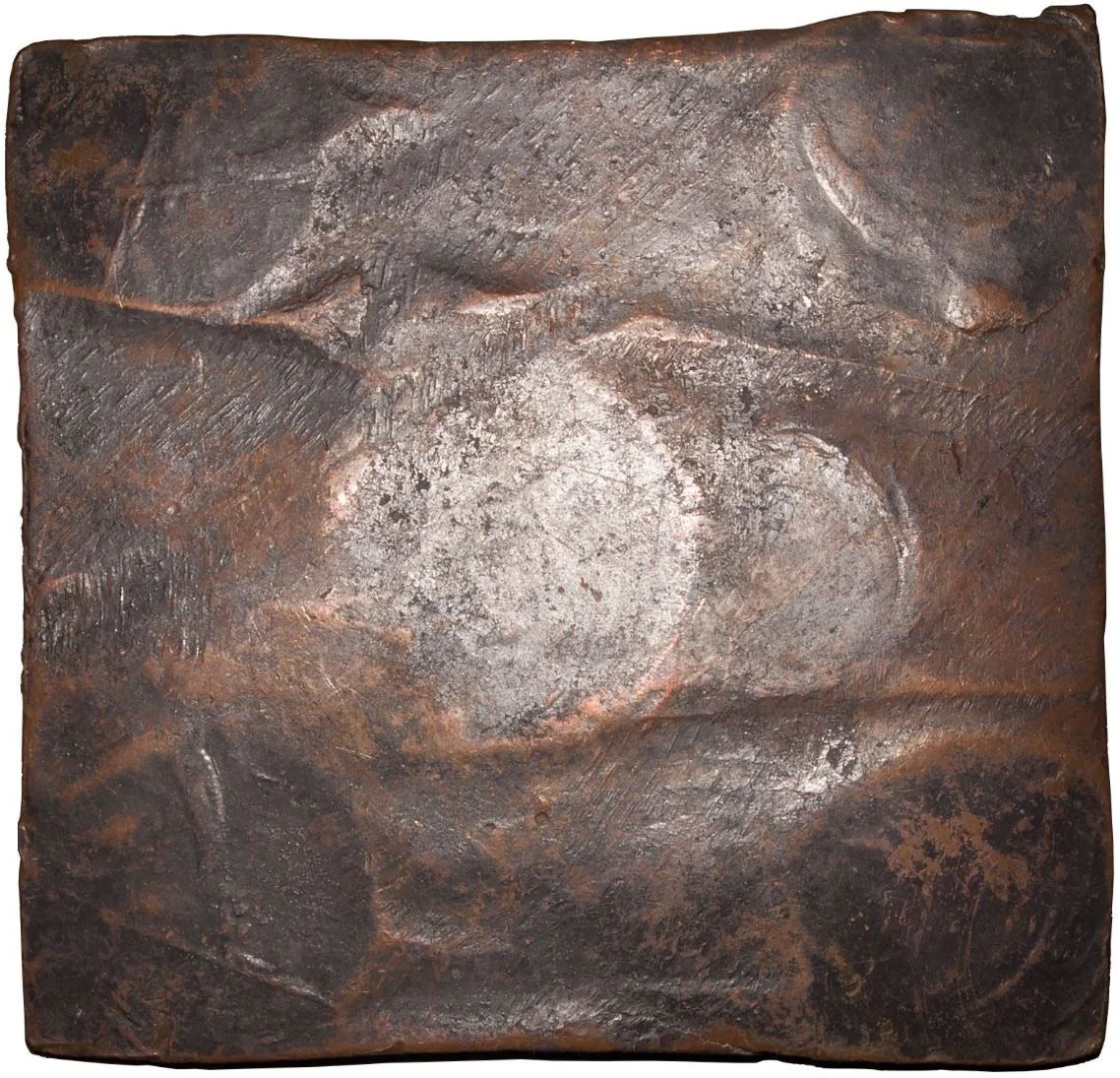
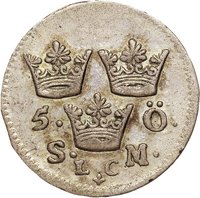
Reverse
Edge
Mints
| Name | Mark |
|---|---|
| Avesta | — |
| Garpenberg | — |
Mintings
| Year | Mint Mark | Mintage | Quality | Collection |
|---|---|---|---|---|
| 1689 | — | — | ||
| 1710 | — | — | ||
| 1711 | — | — | ||
| 1712 | — | — | ||
| 1714 | — | — |
Historical background
In 1689, Sweden was navigating a precarious monetary situation, a legacy of its period as a European great power earlier in the century. The kingdom operated on a bimetallic system of silver dalers and copper dalers, but decades of war finance had severely depleted the treasury and debased the currency. The most pressing issue was the overvaluation of the large, cumbersome copper plate money (plåtmynt), which was officially valued far above its intrinsic metal content. This created a distorted economy where heavy copper plates, some weighing over 20 kilograms, were used for major transactions, while a severe shortage of small-denomination coinage crippled everyday trade for the common people.
The situation was exacerbated by the policies of King Karl XI, who had consolidated absolute royal power in the 1680s. To finance his extensive military reforms and the upkeep of a standing army—deemed necessary following the recent Scanian War—the crown increasingly relied on monetary manipulation. This included the practice of myntförsämring, or deliberate debasement, where the silver content of coins was reduced to create more money from the same bullion reserves. While providing short-term fiscal relief, this eroded public trust in the currency and spurred inflation, as merchants adjusted prices to account for the poorer coinage.
Consequently, Sweden in 1689 was caught between the demands of its imperial past and the fiscal realities of a diminished power. The monetary system was unstable, marked by a dual-currency imbalance, a lack of practical small change, and a steady erosion of coin quality. This fragile financial backdrop placed significant strain on the economy as the kingdom prepared for the looming conflicts of the Great Northern War, which would erupt just over a decade later and place even greater demands on the state's fiscal apparatus.
The situation was exacerbated by the policies of King Karl XI, who had consolidated absolute royal power in the 1680s. To finance his extensive military reforms and the upkeep of a standing army—deemed necessary following the recent Scanian War—the crown increasingly relied on monetary manipulation. This included the practice of myntförsämring, or deliberate debasement, where the silver content of coins was reduced to create more money from the same bullion reserves. While providing short-term fiscal relief, this eroded public trust in the currency and spurred inflation, as merchants adjusted prices to account for the poorer coinage.
Consequently, Sweden in 1689 was caught between the demands of its imperial past and the fiscal realities of a diminished power. The monetary system was unstable, marked by a dual-currency imbalance, a lack of practical small change, and a steady erosion of coin quality. This fragile financial backdrop placed significant strain on the economy as the kingdom prepared for the looming conflicts of the Great Northern War, which would erupt just over a decade later and place even greater demands on the state's fiscal apparatus.
✨ Legendary