

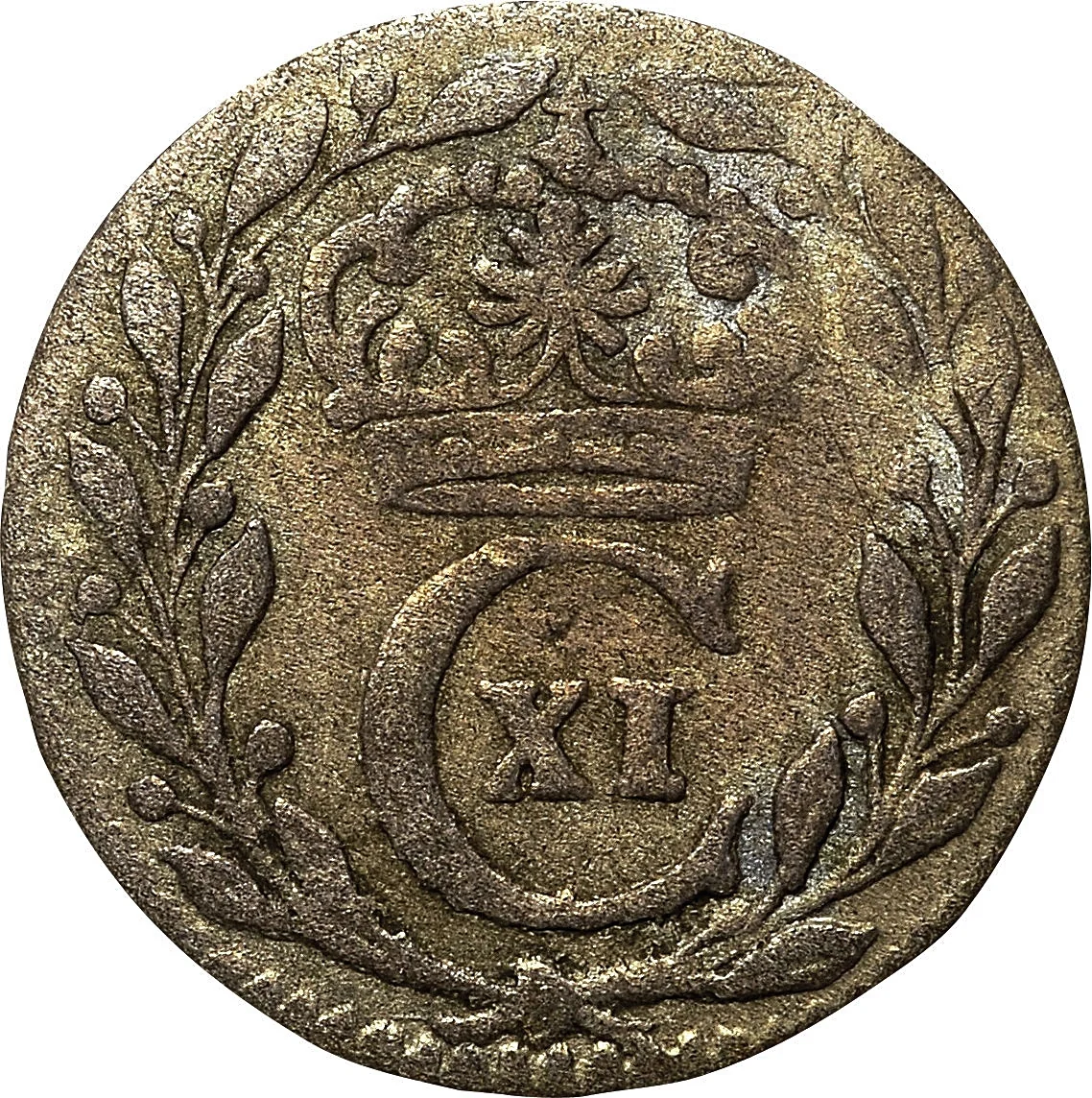
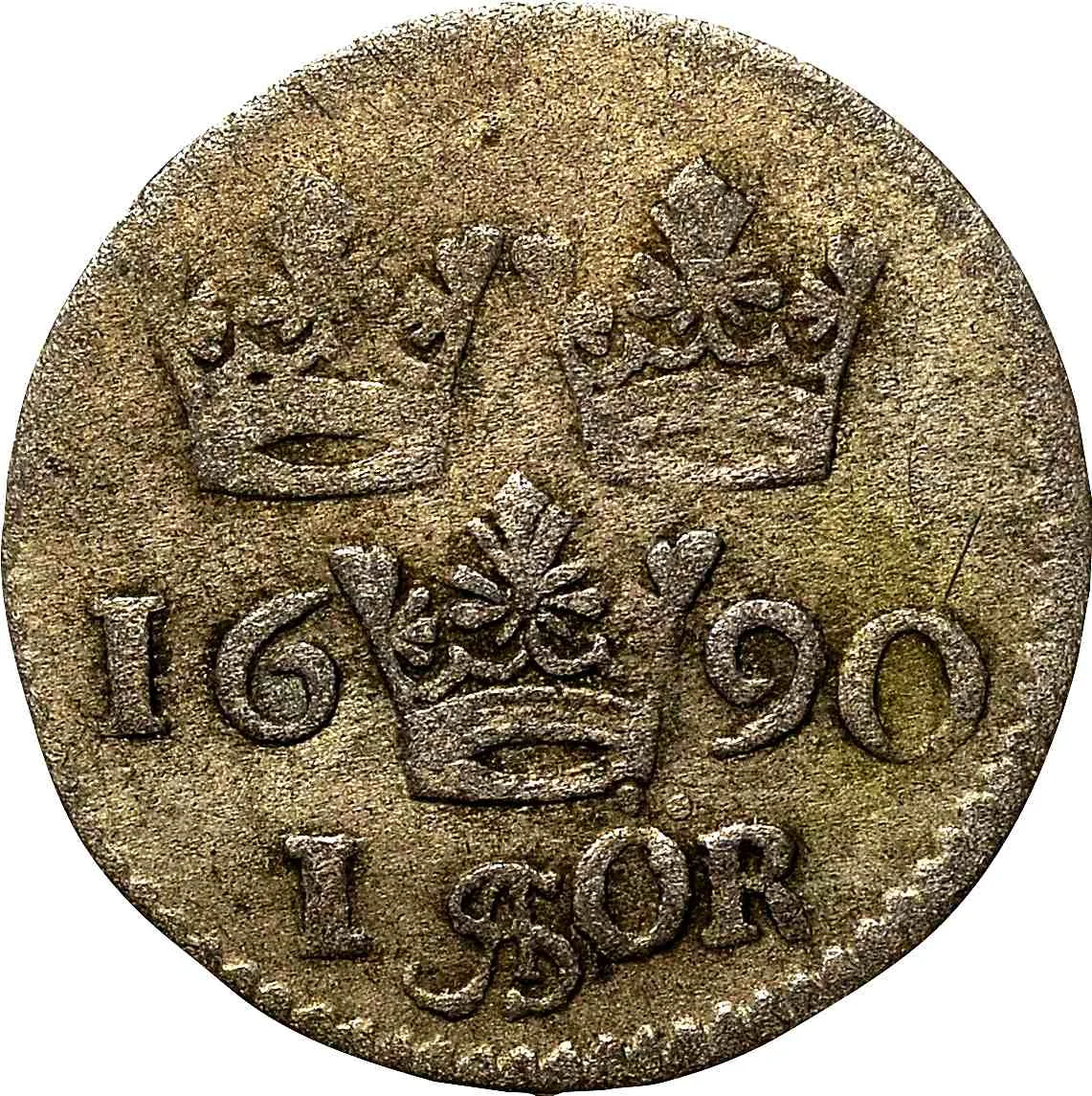
1 öre – Sweden
Add to wishlist
Sweden
Context
Years: 1686–1697
Issuer: Sweden
Ruler: Charles XI
Currency:
(1665—1715)
Demonetized: Yes
Total mintage: 4,117,749
References
KM: #
Numista: #67734
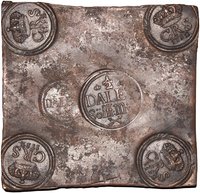
Obverse
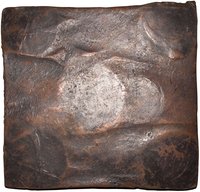
Reverse
Edge
Mintings
| Year | Mint Mark | Mintage | Quality | Collection |
|---|---|---|---|---|
| 1686 | — | 408,588 | ||
| 1687 | — | 334,777 | ||
| 1688 | — | 324,400 | ||
| 1689 | — | 336,639 | ||
| 1690 | As | 329,587 | ||
| 1691 | — | 323,228 | ||
| 1692 | — | 319,534 | ||
| 1693 | — | 333,180 | ||
| 1694 | — | 327,926 | ||
| 1695 | — | 422,074 | ||
| 1696 | — | 329,420 | ||
| 1697 | — | 328,396 |
Historical background
In 1686, Sweden was in the midst of a significant monetary crisis, a direct consequence of the aggressive and costly wars of expansion pursued by King Karl XI's predecessors. The kingdom's currency, based on a silver standard, had been severely debased for decades. To finance military campaigns, the state had repeatedly reduced the silver content in coins like the daler, creating a confusing system where older, purer coins were hoarded or melted down while newer, inferior coins flooded the market. This led to a classic case of Gresham's Law, where "bad money drives out good," causing inflation and undermining both domestic trade and international credit.
Recognizing the destabilizing effects, Karl XI had already initiated a major monetary reform, which was being implemented in the years leading up to 1686. The cornerstone of this reform was the introduction of a new, stable currency unit in 1681: the riksdaler specie, which was intended to have a fixed and guaranteed silver content. By 1686, the process of recalling and melting down the old debased coins and minting the new, reliable currency was underway. The government aimed to restore public trust in the coinage and create a solid fiscal foundation for the state.
Thus, the currency situation in 1686 was one of transition and cautious optimism. The chaotic period of rapid depreciation and multiple circulating coin types was being actively confronted by a centralized royal authority. While the full benefits of the reform were yet to be realized, and economic adjustments were ongoing, Sweden was moving decisively away from the fiscal irresponsibility of its "Age of Greatness" toward the more austere and financially stable era that would characterize Karl XI's later reign. This reform was a critical step in strengthening the crown's power and funding the standing army that would define Swedish policy for decades.
Recognizing the destabilizing effects, Karl XI had already initiated a major monetary reform, which was being implemented in the years leading up to 1686. The cornerstone of this reform was the introduction of a new, stable currency unit in 1681: the riksdaler specie, which was intended to have a fixed and guaranteed silver content. By 1686, the process of recalling and melting down the old debased coins and minting the new, reliable currency was underway. The government aimed to restore public trust in the coinage and create a solid fiscal foundation for the state.
Thus, the currency situation in 1686 was one of transition and cautious optimism. The chaotic period of rapid depreciation and multiple circulating coin types was being actively confronted by a centralized royal authority. While the full benefits of the reform were yet to be realized, and economic adjustments were ongoing, Sweden was moving decisively away from the fiscal irresponsibility of its "Age of Greatness" toward the more austere and financially stable era that would characterize Karl XI's later reign. This reform was a critical step in strengthening the crown's power and funding the standing army that would define Swedish policy for decades.
⭐ Rare